

What is Glass Fiber Material Pneumatic Conveying? And What Are Its Design Principles?
HeadPowder, a leading engineering firm based in Shandong, China, specializes in the design and implementation of advanced material handling systems, including pneumatic conveying solutions for glass fiber materials. This article delves into the fundamental aspects of glass fiber material pneumatic conveying, exploring its operational principles and the key design considerations that ensure efficient and reliable material transport.
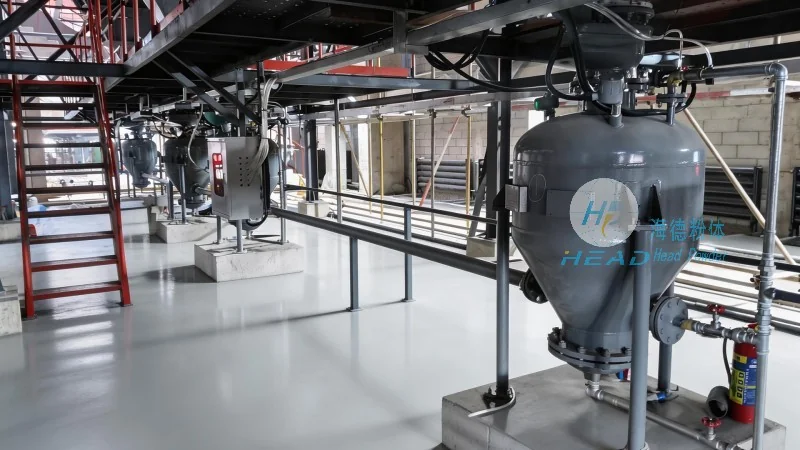
Understanding Glass Fiber Material Pneumatic Conveying
Glass fiber material pneumatic conveying is a technology that utilizes compressed air or other gas to transport glass fiber particles or fibers through a pipeline system. This method is particularly suitable for handling glass fibers due to their lightweight, abrasive, and often fine particle characteristics, which can be challenging to move using traditional mechanical conveyors. The system typically involves a source of material, a conveying line, and a receiver, with the gas creating a flow that carries the glass fibers from the source to the destination.
Key Components of a Pneumatic Conveying System for Glass Fibers
The design of a glass fiber material pneumatic conveying system involves several critical components, each playing a vital role in the overall efficiency and performance of the system. These components include:
1. Material Hopper or Source: This is where the glass fiber material is stored before being fed into the conveying system. The hopper is designed to ensure a consistent and controlled flow of material, often equipped with feeding mechanisms such as rotary valves or screw feeders to regulate the material discharge rate.
2. Conveying Line: The pipeline through which the glass fibers and gas travel. The line is typically made of materials resistant to abrasion and corrosion, such as stainless steel or specialized plastic composites, to withstand the harsh conditions of glass fiber transport. The diameter and length of the line are carefully selected based on the material characteristics and the required conveying distance.
3. Air Supply System: This component provides the necessary pressure and volume of air or gas to create the conveying flow. It includes compressors, filters, and regulators to ensure clean, dry, and properly pressurized air. The air supply system is crucial for maintaining the velocity of the gas stream, which directly impacts the conveying capacity and efficiency.
4. Receiver or Discharge Point: The end of the conveying line where the glass fibers are deposited. The receiver is designed to handle the material without causing blockages or spillage, often incorporating features like silos or hoppers to store the received material until it is further processed or used.
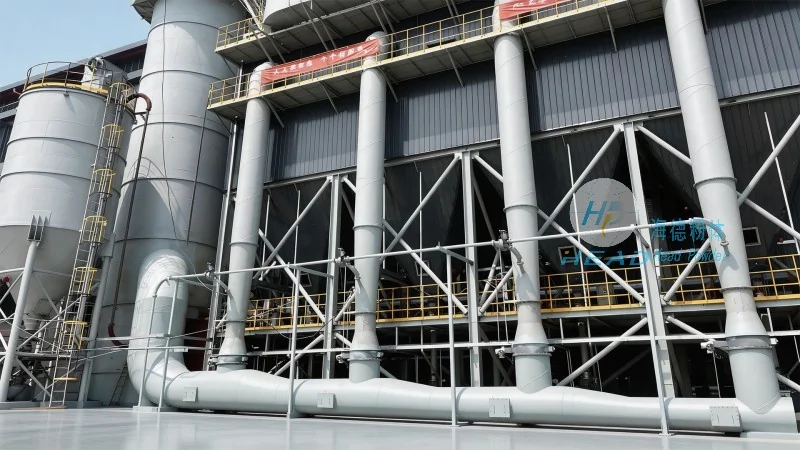
Design Principles for Efficient Glass Fiber Pneumatic Conveying
The design of a glass fiber material pneumatic conveying system follows specific principles to ensure optimal performance, minimize material degradation, and maximize system efficiency. These principles include:
1. Velocity and Pressure Optimization: The gas velocity within the conveying line must be maintained at a level that prevents material settling or blockage while minimizing energy consumption. The pressure is adjusted to achieve the desired velocity, with higher pressures allowing for longer conveying distances or larger particle sizes, though this also increases energy costs.
2. Abrasion Resistance: Given the abrasive nature of glass fibers, the system components, especially the conveying line and fittings, are designed to withstand wear and tear. Materials like stainless steel, high-density polyethylene, or specialized coatings are used to extend the service life of the equipment.
3. Material Handling Considerations: The system design takes into account the physical properties of glass fibers, such as their low bulk density and tendency to create static charges. Anti-static measures may be incorporated, and the system is engineered to prevent material buildup or clogging, which can occur due to the fine particle size and fibrous nature of the material.
4. System Integration and Control: Modern glass fiber pneumatic conveying systems often include advanced control systems that monitor and adjust the conveying parameters in real-time. These controls help maintain consistent performance, detect issues like blockages or pressure drops, and optimize the operation based on the material feed rate and system load.
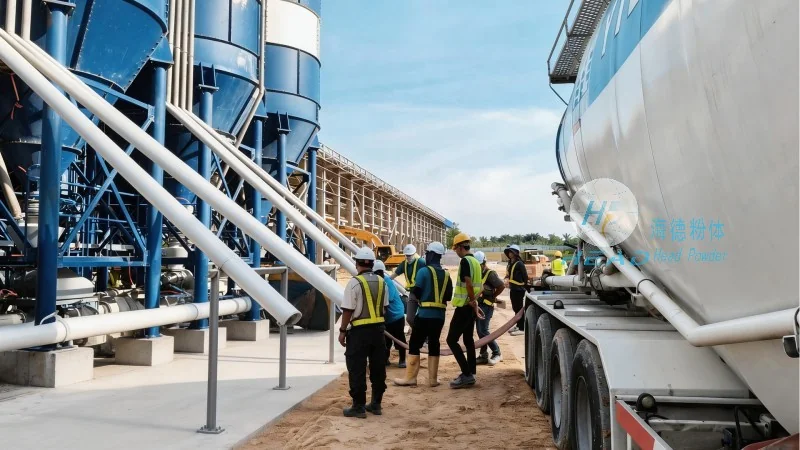
Applications and Benefits of Glass Fiber Pneumatic Conveying
Glass fiber material pneumatic conveying is widely used in various industries, including composites manufacturing, insulation production, and filtration systems. The benefits of this technology include:
1. Efficient Material Transport: The system allows for the rapid and continuous transport of glass fibers over long distances, reducing the need for manual handling and improving production throughput.
2. Reduced Material Degradation: Compared to mechanical conveyors, pneumatic systems minimize the risk of material breakage or contamination, preserving the quality of the glass fibers for downstream processes.
3. Space Efficiency: Pneumatic conveying systems can be installed in compact spaces, as the conveying line can be routed vertically or horizontally with minimal footprint, making them suitable for facilities with limited space.
4. Versatility: The technology can handle a wide range of glass fiber types and sizes, from fine powders to long fibers, making it adaptable to different production requirements.
Conclusion
Glass fiber material pneumatic conveying is a sophisticated and efficient method for transporting glass fibers, driven by the careful integration of design principles and advanced engineering. Companies like Shandong HeadPowder Engineering Co., Ltd. leverage their expertise in material handling systems to design and implement customized solutions that meet the specific needs of their clients, ensuring reliable and cost-effective material transport in various industrial applications.