

What is the Pneumatic Conveying of Cement and Fly Ash Materials? Exploring the Design Principles
HeadPowder, a leading engineering firm based in Shandong, China, specializes in the design and implementation of pneumatic conveying systems for cement and fly ash materials. This article delves into the fundamental aspects of pneumatic conveying, focusing on the design principles that ensure efficient and reliable material transport.
Pneumatic Conveying: An Overview
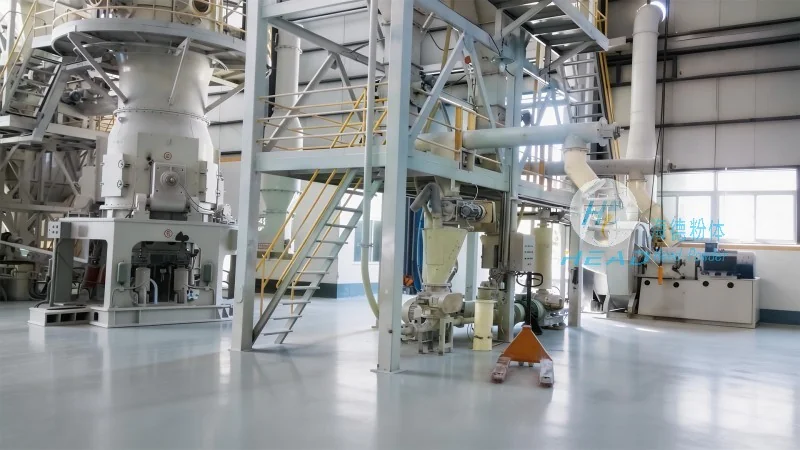
Pneumatic conveying is a method of transporting bulk materials, such as cement and fly ash, through a pipeline using a gas stream, typically air or a combination of air and other gases. Unlike mechanical conveying systems that rely on mechanical components like belts or screws, pneumatic systems use pressure differentials to move materials. This technology is widely adopted in the cement and power industries due to its ability to handle fine, dusty, or abrasive materials with minimal wear and tear on equipment.
The Role of Cement and Fly Ash in Material Transport
Cement and fly ash are critical components in construction and industrial applications. Cement is a key binder in concrete, while fly ash, a byproduct of coal combustion, is often used as a supplementary cementitious material to enhance concrete properties. Efficient transport of these materials is essential for maintaining production efficiency and quality control in manufacturing processes. Pneumatic conveying offers a solution that minimizes material degradation and ensures consistent flow rates, which is crucial for downstream processes like mixing and casting.
Design Principles for Pneumatic Conveying Systems
The design of a pneumatic conveying system for cement and fly ash involves several critical principles to ensure optimal performance. First, the system must be designed to handle the specific properties of the materials, including particle size distribution, density, and moisture content. These factors influence the selection of the conveying velocity, which is a key parameter in determining the system's capacity and efficiency. HeadPowder engineers carefully analyze these material characteristics to select appropriate pipeline diameters, air velocities, and pressure levels.
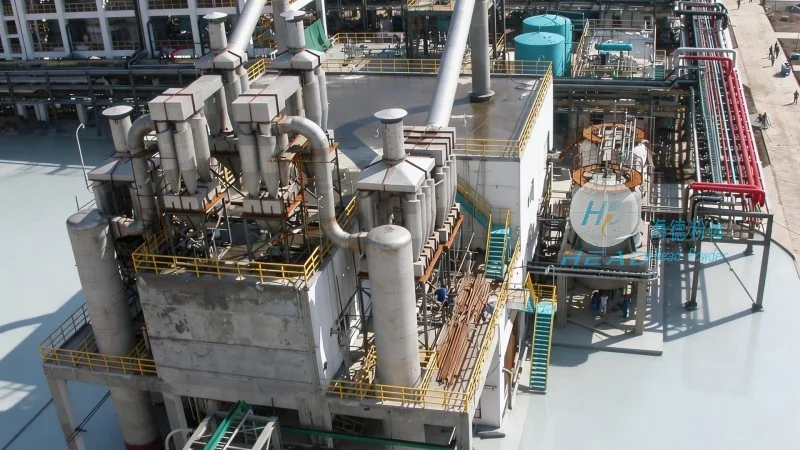
Second, the system's layout and configuration are critical. The design must consider the distance and elevation changes between the source and destination points. For long-distance or high-elevation transport, the system may require multiple stages of compression or vacuum, with appropriate in-line equipment like cyclones or filters to separate the material from the air stream. The choice of system type—such as dilute-phase or dense-phase conveying—depends on the material's flowability and the required transport distance. Dilute-phase systems are suitable for short to medium distances and low to moderate material loads, while dense-phase systems are preferred for longer distances or when handling more abrasive or sensitive materials.
Key Components and Their Function in the System
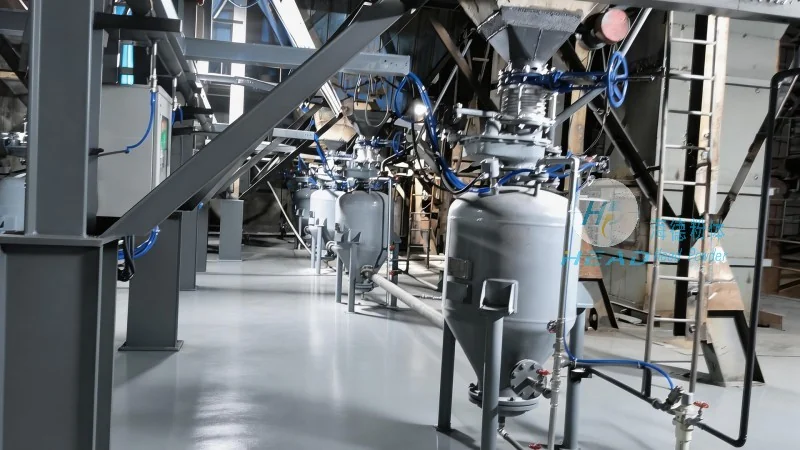
A typical pneumatic conveying system for cement and fly ash includes several key components. The material feed system, which may consist of a hopper or a rotary valve, ensures a consistent and controlled feed of the material into the pipeline. The air supply system, including compressors or vacuum pumps, provides the necessary pressure or vacuum to move the material. The pipeline itself is designed with smooth, corrosion-resistant materials like stainless steel or special coatings to prevent material buildup and wear. In-line equipment such as cyclones or filters separates the material from the air, allowing the air to be recirculated or discharged while the material is directed to its destination. The control system monitors and adjusts the flow rates, pressure, and other parameters to maintain optimal performance and prevent system failures.
Advantages of Pneumatic Conveying for Cement and Fly Ash
Pneumatic conveying offers several advantages over traditional mechanical systems for transporting cement and fly ash. One of the primary benefits is the ability to handle fine, dusty materials without the need for additional dust suppression equipment. The enclosed pipeline system minimizes material loss and environmental contamination, which is crucial for compliance with environmental regulations. Additionally, pneumatic systems can be designed to operate in a closed loop, reducing energy consumption and improving overall efficiency. The system's flexibility allows for easy integration with existing production lines and can be scaled up or down to meet changing production demands. HeadPowder's expertise in designing such systems ensures that clients can achieve these benefits while maintaining high standards of safety and reliability.
Challenges and Solutions in Pneumatic Conveying
Despite its advantages, pneumatic conveying of cement and fly ash materials presents several challenges. One of the main challenges is material degradation due to abrasion or high air velocities. To mitigate this, engineers use materials with high wear resistance and design the system to operate at optimal velocities. Another challenge is the buildup of material in the pipeline, which can lead to blockages. Regular maintenance and the use of in-line cleaning devices help prevent this issue. Additionally, the system's energy consumption can be high, especially for long-distance transport. HeadPowder addresses this by optimizing the system design, selecting energy-efficient components, and implementing advanced control strategies to minimize energy use while maintaining performance.
Conclusion
Pneumatic conveying of cement and fly ash materials is a sophisticated technology that relies on careful design and engineering to achieve efficient and reliable material transport. The principles discussed, including material analysis, system layout, and component selection, are critical to the success of such systems. HeadPowder, with its extensive experience in the field, provides comprehensive solutions that address the unique challenges of cement and fly ash transport. By adhering to these design principles and leveraging advanced engineering techniques, industries can enhance their production efficiency, reduce costs, and ensure the quality of their final products. The future of material handling in the cement and power industries lies in the continued development and application of advanced pneumatic conveying systems, and companies like HeadPowder are at the forefront of this innovation.