Hydrated lime, also known as slaked lime, is a widely used chemical product in various industrial applications, including water treatment, flue gas desulfurization, and soil stabilization. The efficient handling and transportation of this material are crucial for maintaining production efficiency and ensuring product quality. Pneumatic conveying technology offers a reliable solution for moving hydrated lime from storage to processing units or end-use locations. This article explores the concept of pneumatic conveying for hydrated lime, detailing the design principles and considerations involved in implementing such a system.
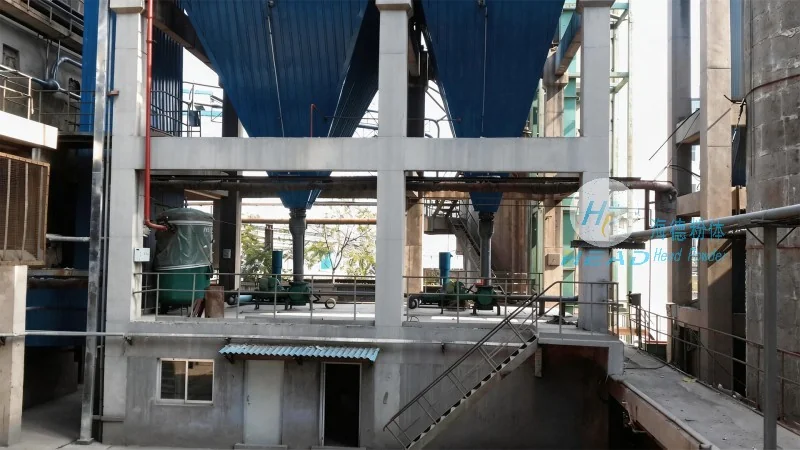
Introduction to Hydrated Lime and Pneumatic Conveying
Hydrated lime is produced by reacting quicklime (calcium oxide) with water, resulting in a fine, powdery substance with a high calcium hydroxide content. Its properties, such as fineness, moisture content, and bulk density, significantly influence the choice of conveying method. Traditional methods like bucket elevators or belt conveyors may not be suitable for fine powders due to issues like dust generation, material degradation, and system complexity. Pneumatic conveying, which uses air or gas to transport solid materials, provides a dust-free, enclosed system that minimizes product contamination and environmental impact.
Key Components of a Hydrated Lime Pneumatic Conveying System
A typical pneumatic conveying system for hydrated lime consists of several key components, each playing a critical role in the overall operation. These components include:
1. Feeder: The feeder is responsible for accurately and consistently feeding the hydrated lime into the conveying line. For fine powders like hydrated lime, a rotary valve or a screw feeder is commonly used to control the flow rate and prevent material buildup.
2. Conveying Line: The conveying line, often made of stainless steel or other corrosion-resistant materials, transports the material through the system. The design of the line, including pipe diameter, length, and bends, affects the pressure drop and overall system efficiency.
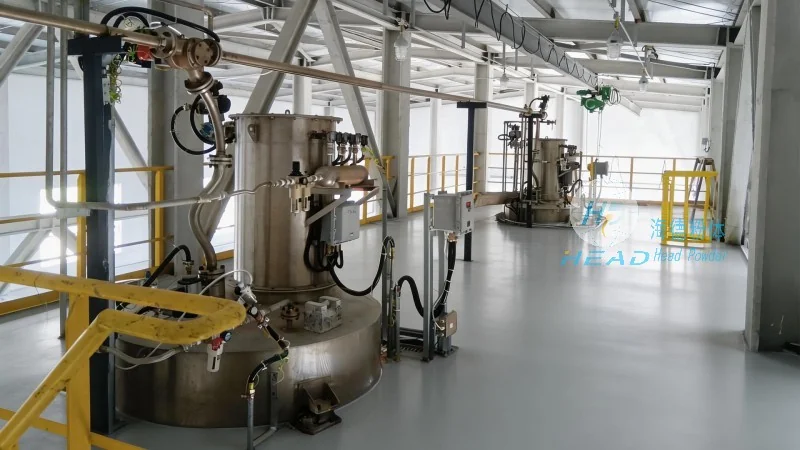
3. Air Supply System: This system generates the necessary air or gas flow to move the material. It typically includes a blower or compressor, a filter to remove contaminants from the air, and a pressure regulator to maintain consistent pressure.
4. Receiver: The receiver is the final destination where the hydrated lime is deposited. It may be a storage silo, a processing unit, or a packaging system, and is designed to handle the material without spillage or contamination.
Design Principles for Efficient Hydrated Lime Conveying
The design of a pneumatic conveying system for hydrated lime must consider several factors to ensure optimal performance and longevity. Key design principles include:
1. Material Properties: Understanding the physical and chemical properties of hydrated lime, such as particle size distribution, moisture content, and bulk density, is essential. These properties determine the appropriate conveying velocity, pressure, and equipment selection.
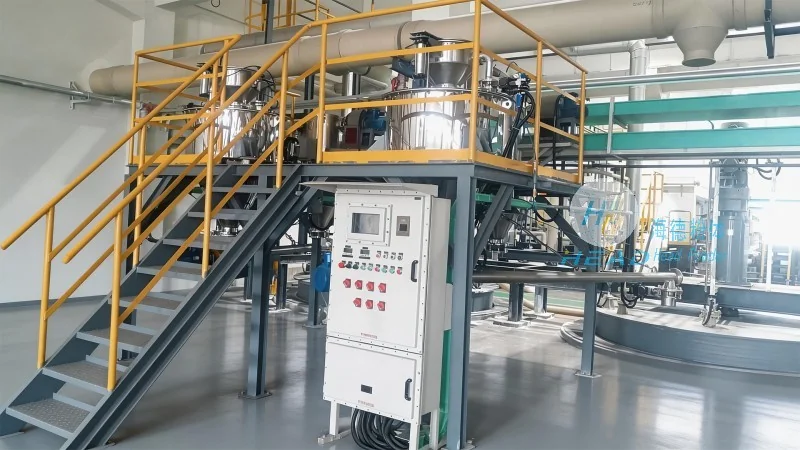
2. System Configuration: The choice between positive pressure and negative pressure systems depends on the application and distance to be covered. Positive pressure systems are suitable for short to medium distances and are generally more efficient for fine powders like hydrated lime.
3. Pressure Drop Management: Minimizing pressure drop is crucial to reduce energy consumption and prevent system overload. This involves optimizing pipe diameter, reducing bends and fittings, and using appropriate air velocities.
4. Equipment Selection: Selecting the right components, such as feeders, blower capacity, and receiver design, ensures that the system operates within its design parameters and handles the specific characteristics of hydrated lime.
Applications and Benefits of Hydrated Lime Pneumatic Conveying
The use of pneumatic conveying for hydrated lime offers several advantages over traditional methods. These benefits include:
1. Dust-Free Operation: Enclosed systems prevent dust from escaping into the environment, improving workplace safety and compliance with environmental regulations.
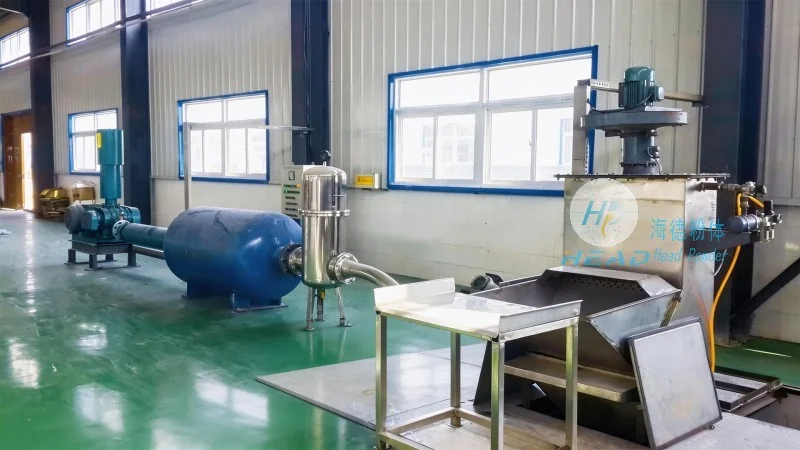
2. Product Protection: The sealed system minimizes exposure to moisture, air, and contaminants, preserving the quality and reactivity of the hydrated lime.
3. Space Efficiency: Pneumatic conveying systems can be installed in tight spaces, making them suitable for facilities with limited room for traditional conveyors.
4. Energy Efficiency: Modern systems are designed to operate efficiently, reducing energy consumption and operating costs.
Conclusion
Pneumatic conveying is a highly effective method for handling hydrated lime, offering a reliable and efficient solution for material transportation. By understanding the design principles and considering the specific properties of hydrated lime, engineers can develop systems that meet the needs of various industrial applications. Companies like Shandong HeadPowder Engineering Co., Ltd., with expertise in material handling systems, provide comprehensive solutions for the pneumatic conveying of hydrated lime, ensuring optimal performance and long-term reliability.




