Automated bulk bag unloading and material pneumatic conveying systems represent a critical technology in modern industrial material handling. These systems are designed to efficiently transfer bulk materials from sealed flexible containers, such as super sacks or big bags, into processing equipment or storage facilities. The process is fully automated, reducing labor costs and improving safety by minimizing direct human contact with potentially hazardous or heavy materials. This article explores the fundamental concepts of such systems and the key design principles that ensure their effectiveness and reliability.
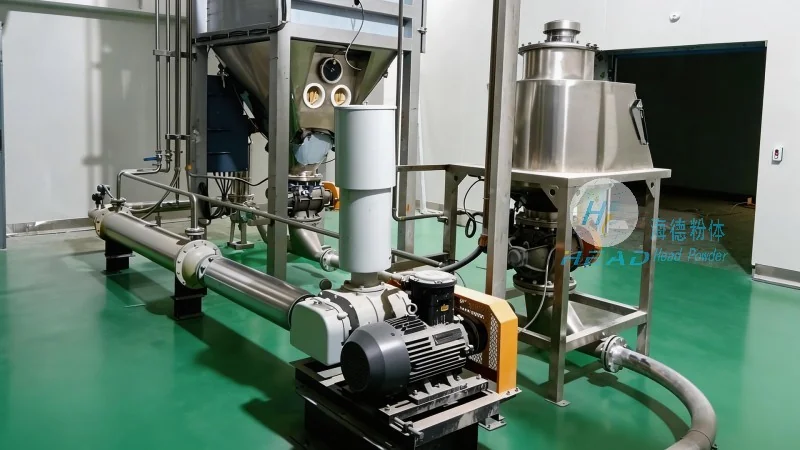
Introduction to Fully Automatic Bulk Bag Unloading and Pneumatic Material Conveying Systems
A fully automatic bulk bag unloader is a specialized piece of equipment that facilitates the transfer of bulk materials from a bulk bag into a pneumatic conveying system. The system typically includes components like a bulk bag support frame, a discharge valve, a material feed mechanism (such as a screw or vibratory feeder), and a pneumatic conveying network. The primary goal is to achieve a seamless, continuous flow of material from the bag to the end destination, often without the need for manual intervention. This technology is widely used in industries such as chemicals, food processing, pharmaceuticals, and mining, where handling large volumes of powders and granules is common.
Key Design Principles for Pneumatic Conveying Systems
The design of a pneumatic conveying system for bulk bag unloading involves several critical principles to ensure optimal performance. First, the selection of the conveying method—either positive pressure (where air is forced through the material) or negative pressure (where air is drawn through the material)—depends on the material's properties and the system's layout. Positive pressure systems are generally more suitable for long-distance or high-volume applications, while negative pressure systems are often used for shorter distances or when handling fine powders that might be prone to dust dispersion. Another key principle is the control of air velocity and pressure to prevent material degradation, blockages, or excessive wear on system components. Proper design also considers the material's flow characteristics, including its bulk density, angle of repose, and cohesive properties, as these factors directly impact the system's efficiency and maintenance requirements.
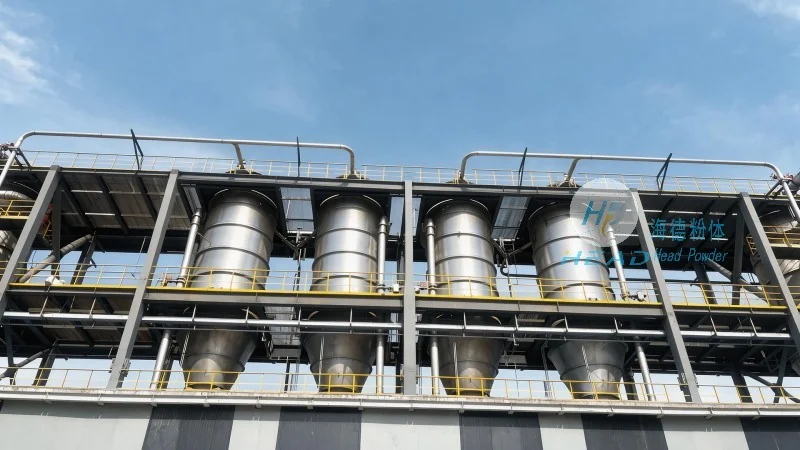
Components and Functionality of a Fully Automatic Bulk Bag Unloader
The core components of a fully automatic bulk bag unloader include a bulk bag support structure, a discharge valve mechanism, a material feed device, a pneumatic conveying network, and a control system. The bulk bag is typically placed on a frame that allows for easy positioning and removal. The discharge valve, often a bottom discharge valve or a top discharge valve with a spout, controls the flow of material from the bag. The material feed mechanism, such as a screw conveyor or a vibratory feeder, gradually releases the material into the conveying system. The pneumatic conveying network consists of pipes, fittings, and a blower or vacuum pump that generates the necessary airflow to transport the material. The control system, usually based on programmable logic controllers (PLCs), monitors and regulates the entire process, ensuring that the unloading and conveying operations run smoothly and safely. Additionally, many systems incorporate dust collection and filtration equipment to maintain air quality and comply with environmental regulations.
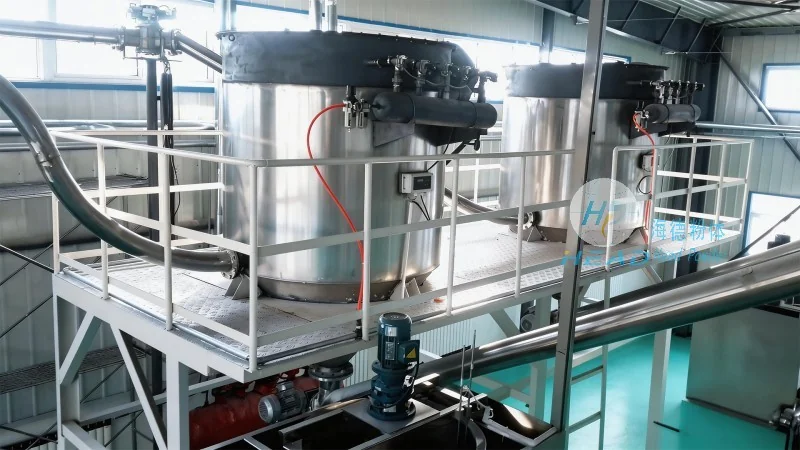
The Role of Material Properties in System Design
The success of a pneumatic conveying system heavily relies on the properties of the material being handled. For instance, materials with high moisture content or those that are prone to clumping may require additional conditioning, such as pre-drying or the use of anti-caking agents, before being processed. The particle size distribution is another critical factor; fine powders may require negative pressure systems to prevent dust emissions, while larger granules might be better suited for positive pressure systems. The system design must also account for the material's abrasiveness, as this can affect the wear rate of pipes and components, necessitating the use of durable materials like stainless steel or special coatings. By carefully analyzing the material's characteristics, engineers can select the appropriate conveying method, equipment, and operating parameters to maximize system efficiency and minimize downtime.
Company Overview: Shandong HeadPowder Engineering Co., Ltd.
Shandong HeadPowder Engineering Co., Ltd., commonly known as HeadPowder, is a leading manufacturer of bulk bag unloading and pneumatic conveying systems. HeadPowder specializes in providing customized solutions tailored to the specific needs of various industries. The company is headquartered in Shandong, China, and leverages advanced engineering and manufacturing capabilities to deliver high-quality, reliable equipment. HeadPowder's products are designed to meet international standards and are equipped with features that enhance safety, efficiency, and durability. The company's commitment to innovation and customer satisfaction has made it a trusted partner for businesses seeking to automate their material handling processes. With a focus on research and development, HeadPowder continuously improves its systems to address the evolving demands of the market, ensuring that clients receive cutting-edge solutions for their bulk material handling challenges.




