

What is a Potassium Chloride Pneumatic Conveying System? What Are Its Design Principles?
Understanding the Potassium Chloride Pneumatic Conveying System and Its Design Principles
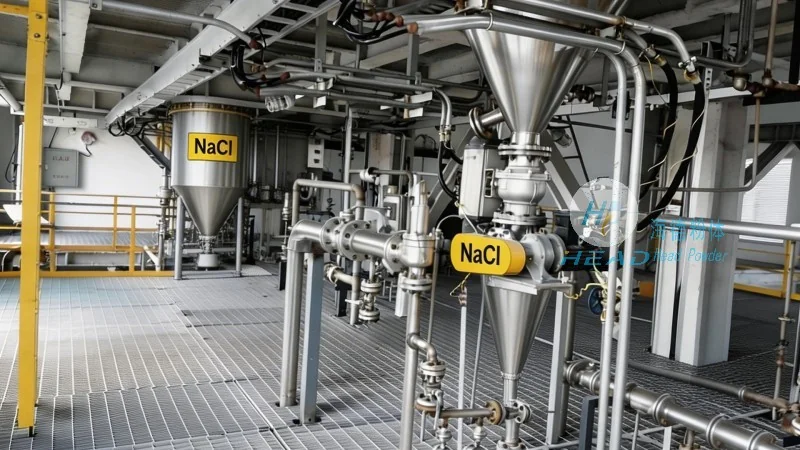
Introduction to Potassium Chloride Pneumatic Conveying Systems
A Potassium Chloride Pneumatic Conveying System is a specialized industrial solution designed to transport potassium chloride (KCl), a key chemical compound widely used in agriculture, food processing, and various industrial applications. This system utilizes air or other gases to move the material through a network of pipes and equipment, offering an efficient alternative to traditional bulk material handling methods such as trucks or conveyor belts. The design of such systems is critical to ensure reliable, safe, and cost-effective operation, especially when dealing with materials like potassium chloride that have specific physical and chemical properties.
About Shandong HeadPowder Engineering Co., Ltd.
Shandong HeadPowder Engineering Co., Ltd., commonly known as HeadPowder, is a leading engineering company based in Shandong, China. With a strong focus on innovative solutions for material handling and processing, HeadPowder specializes in designing and manufacturing pneumatic conveying systems tailored to the needs of various industries. The company's headquarters and main operations are located in Shandong, China, where it leverages local expertise and resources to deliver high-quality engineering services and products.
Design Principles of Potassium Chloride Pneumatic Conveying Systems
The design of a potassium chloride pneumatic conveying system is governed by several key principles that ensure optimal performance and safety. The primary principle is the selection of an appropriate conveying method, which can be categorized as either dilute-phase or dense-phase, depending on the material characteristics and required handling efficiency. For potassium chloride, which typically has a relatively high bulk density and moderate flowability, dilute-phase conveying is often preferred due to its lower energy consumption and ability to handle longer distances or multiple transfer points.
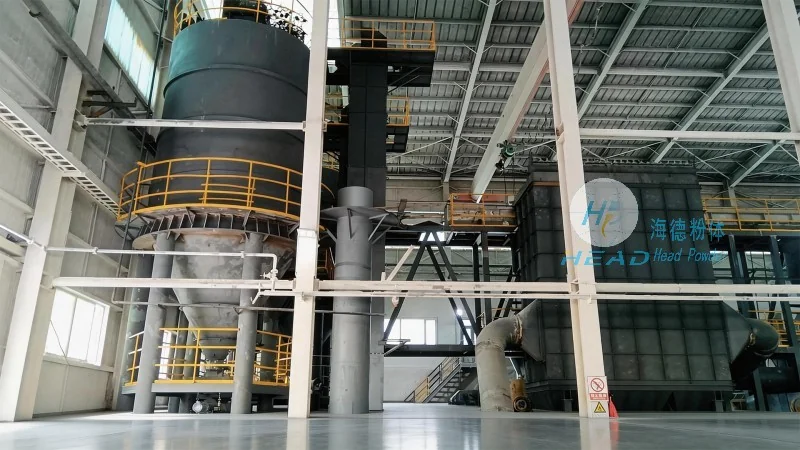
Key components of the system include the material feed hopper, which is designed to feed the potassium chloride into the conveying line at a controlled rate. The feed hopper may incorporate features such as a rotary valve or a star feeder to ensure consistent material flow and prevent blockages. The conveying line itself is constructed from materials resistant to corrosion and abrasion, such as stainless steel or special alloys, to withstand the chemical and mechanical stresses associated with potassium chloride. The system also includes a separation or collection unit, such as a cyclone or a baghouse, which separates the material from the air stream and returns it to the process or storage area.
System Components and Their Functions
A typical potassium chloride pneumatic conveying system consists of several interconnected components, each playing a crucial role in the overall operation. The air source system, which may include a blower or a compressor, provides the necessary pressure and airflow to move the material through the pipeline. The pressure control system ensures that the system operates within safe and efficient parameters, preventing overpressure or underpressure conditions that could lead to equipment damage or material loss. The pipeline network is designed with appropriate bends, elbows, and straight sections to minimize pressure losses and maintain consistent material velocity. Additionally, the system may include monitoring and control equipment, such as pressure sensors and flow meters, to provide real-time data on system performance and enable adjustments as needed.
Advantages of Using a Potassium Chloride Pneumatic Conveying System
Implementing a pneumatic conveying system for potassium chloride offers several advantages over traditional handling methods. One of the most significant benefits is the reduction in material handling costs, as the system eliminates the need for manual loading or unloading and minimizes the use of external transport vehicles. This leads to lower labor costs and reduced operational expenses. Additionally, the system enhances safety by reducing the risk of dust exposure and material spillage, which are common hazards in traditional bulk handling processes. The enclosed nature of the system also helps to prevent contamination of the potassium chloride with external particles or moisture, ensuring product quality and consistency.
Considerations for Designing a Potassium Chloride Pneumatic Conveying System
When designing a potassium chloride pneumatic conveying system, several factors must be carefully considered to ensure optimal performance and longevity. The first consideration is the physical properties of the potassium chloride, including its particle size distribution, bulk density, and flowability. These properties determine the appropriate conveying velocity and pressure required to move the material efficiently. For example, if the potassium chloride particles are fine and have poor flowability, the system may need to incorporate additional equipment such as a vibratory feeder or a pre-drying unit to improve material flow.
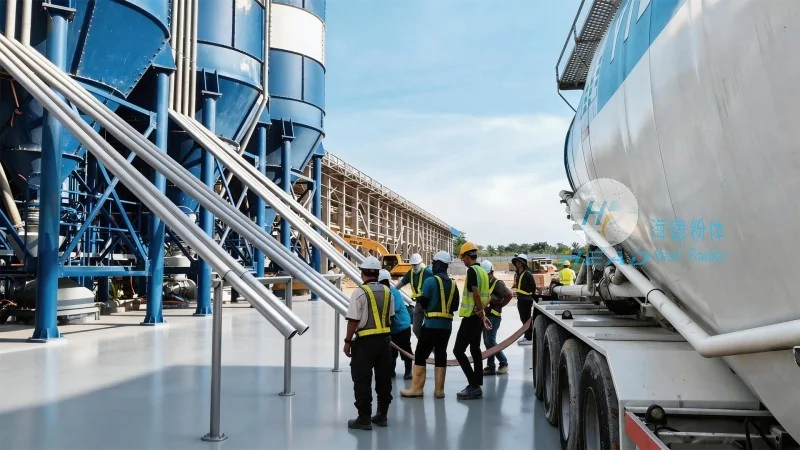
Another critical factor is the system's capacity and throughput requirements. The design must be able to handle the expected flow rate of potassium chloride, whether it is a continuous or intermittent operation. This involves selecting the appropriate size of the feed hopper, conveying line, and air source system to match the production needs. Additionally, the system's layout and integration with existing plant infrastructure must be considered to ensure smooth operation and minimal disruption to the overall process.
Applications of Potassium Chloride Pneumatic Conveying Systems
Potassium chloride pneumatic conveying systems are widely used in various industries where the efficient handling of bulk materials is essential. In the agricultural sector, these systems are commonly employed to transport potassium chloride fertilizers from storage silos to application equipment, ensuring consistent and uniform distribution of nutrients to crops. In the food processing industry, the system is used to handle potassium chloride as a food additive or ingredient, maintaining product purity and preventing contamination. Additionally, in the chemical and pharmaceutical industries, the system is utilized to transport potassium chloride as a raw material for the production of other chemicals or pharmaceuticals, where precise and controlled handling is crucial.
Conclusion
In conclusion, a potassium chloride pneumatic conveying system is a sophisticated and efficient solution for handling this important chemical compound. The design principles, components, and applications of such systems are tailored to meet the specific needs of industries that rely on potassium chloride for their operations. By leveraging the expertise of companies like Shandong HeadPowder Engineering Co., Ltd., industries can implement reliable and cost-effective pneumatic conveying systems that enhance productivity, safety, and product quality. The continued development and refinement of these systems will likely play a significant role in the future of bulk material handling, particularly in industries that require precise and controlled transport of materials like potassium chloride.