

What is a Manganese Silicate Pneumatic Conveying System? And What Are Its Design Principles?
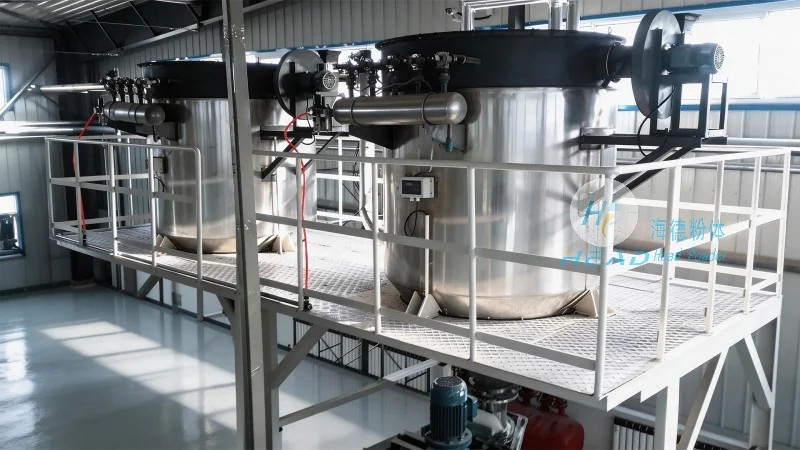
For industrial applications that require the efficient handling of manganese silicate, a pneumatic conveying system offers a reliable solution. This technology is essential for transporting bulk materials like manganese silicate, which is often used in various manufacturing processes. The system operates by using air or other gases to move the material through a pipeline, eliminating the need for mechanical components such as conveyors or elevators. This approach not only enhances operational efficiency but also reduces maintenance costs and improves safety in the workplace.
Introduction to Manganese Silicate and Pneumatic Conveying
Manganese silicate is a compound commonly used in industries such as ceramics, glass, and battery manufacturing. It is known for its unique properties, including high thermal stability and excellent chemical resistance. When handling this material, traditional methods like belt conveyors or bucket elevators may not be suitable due to the material's characteristics. Pneumatic conveying systems provide a non-contact method of transport, which minimizes material degradation and contamination. This makes them ideal for applications where product quality is critical.
HeadPowder Engineering: A Leader in Pneumatic Conveying Solutions
Shandong HeadPowder Engineering Co., Ltd. is a prominent company specializing in the design, manufacturing, and installation of pneumatic conveying systems. With years of experience in the industry, HeadPowder has developed a reputation for delivering high-quality, customized solutions tailored to the specific needs of their clients. The company's expertise lies in understanding the unique challenges of handling materials like manganese silicate and providing systems that ensure optimal performance and reliability.
Key Components of a Manganese Silicate Pneumatic Conveying System
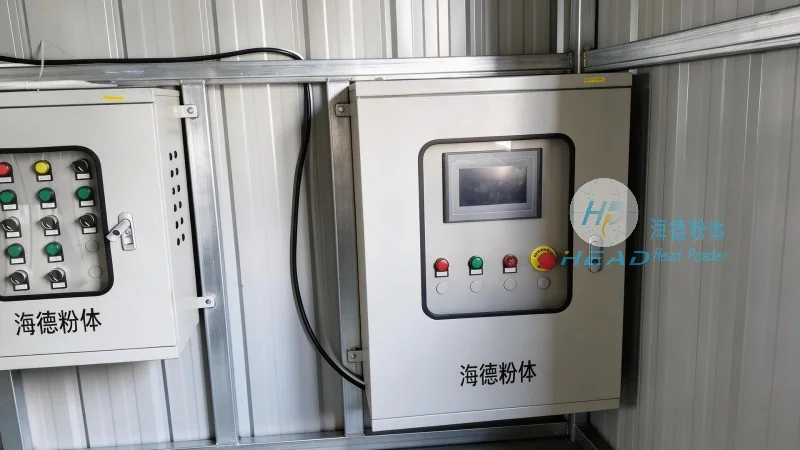
A pneumatic conveying system for manganese silicate typically consists of several key components. The main parts include a material feeder, a conveying line, a dust collector, and a control system. The material feeder is responsible for introducing the manganese silicate into the system, ensuring a consistent flow rate. The conveying line, often made of stainless steel or other corrosion-resistant materials, transports the material through the system. The dust collector is crucial for maintaining air quality and preventing dust emissions. The control system manages the operation of the entire system, ensuring smooth and efficient operation.
Design Principles for Efficient Manganese Silicate Transport
The design of a pneumatic conveying system for manganese silicate involves several critical principles to ensure optimal performance. One of the primary considerations is the material's properties, such as its density, flowability, and particle size. These factors influence the choice of conveying method, whether it's a positive or negative pressure system. Positive pressure systems use a blower to push the material through the line, while negative pressure systems use a vacuum to draw the material. The system's design also takes into account the distance and height of the transport, as well as the required flow rate. Proper sizing of the components, including the blower and ducts, is essential to prevent blockages and ensure consistent material flow.
Advantages of Using a Pneumatic Conveying System for Manganese Silicate
Implementing a pneumatic conveying system for manganese silicate offers numerous advantages over traditional methods. One of the most significant benefits is the reduction in material handling time and labor costs. By automating the transport process, companies can increase their production efficiency and reduce the risk of accidents associated with manual handling. Additionally, pneumatic systems provide a clean and hygienic environment, which is particularly important in industries like food and pharmaceuticals where product purity is paramount. The non-contact nature of the system also minimizes material degradation, ensuring that the manganese silicate retains its quality throughout the transport process.
Customization and Installation Services by HeadPowder
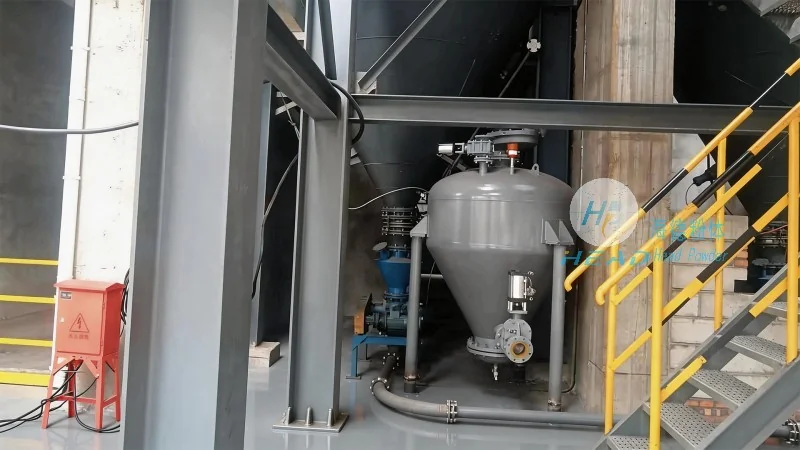
HeadPowder Engineering understands that each industrial application has unique requirements. Therefore, they offer customized pneumatic conveying systems designed to meet the specific needs of their clients. The company's team of engineers works closely with clients to assess their material handling challenges and develop a solution that maximizes efficiency and cost-effectiveness. HeadPowder also provides comprehensive installation services, ensuring that the system is properly installed and commissioned to operate at its best. Their expertise in system design and installation guarantees that the pneumatic conveying system for manganese silicate will deliver reliable performance and meet all operational requirements.
Conclusion: The Importance of Reliable Manganese Silicate Conveying
In conclusion, a pneumatic conveying system is an essential technology for efficiently handling manganese silicate in industrial applications. The design principles and components of such a system are carefully engineered to ensure optimal performance and reliability. Companies like Shandong HeadPowder Engineering Co., Ltd. play a crucial role in providing these solutions, leveraging their expertise to deliver customized systems that meet the specific needs of their clients. By investing in a high-quality pneumatic conveying system, industries can enhance their operational efficiency, reduce costs, and ensure the quality of their manganese silicate products.