Calcite, a common calcium carbonate mineral, is widely utilized across various industrial sectors including construction materials, pharmaceuticals, and chemical manufacturing. The efficient and reliable transportation of calcite powder is paramount for these industries. A pneumatic conveying system offers an effective solution for handling calcite, ensuring minimal dust generation, reduced material loss, and enhanced process control. This article explores the concept of a calcite pneumatic conveying system and delves into its fundamental design principles.
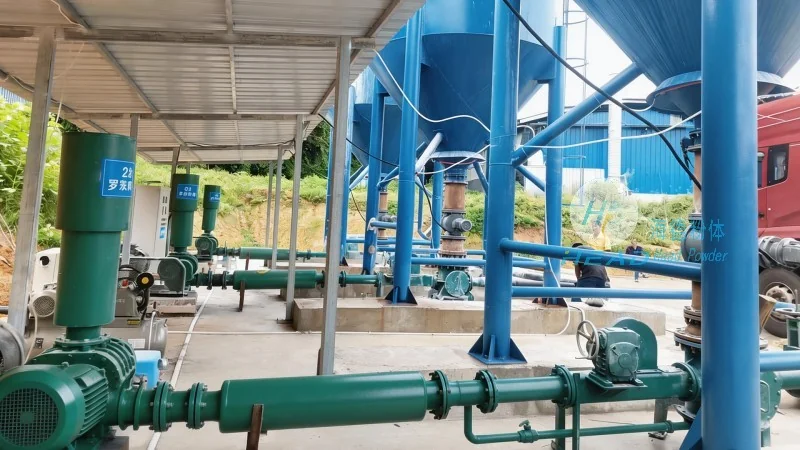
Understanding Pneumatic Conveying Technology
Pneumatic conveying systems leverage air or gas to transport bulk materials like calcite powder through a pipeline. The technology can be categorized into two primary types: dilute-phase and dense-phase. Dilute-phase systems operate at higher velocities, moving material in a dispersed state, while dense-phase systems utilize lower velocities and higher pressure to transport material in a more concentrated form. For calcite, which is often fine and dusty, a dilute-phase system is commonly preferred due to its ability to handle high material flow rates and maintain consistent air-to-material ratios. The selection of system type depends on factors such as material characteristics, conveying distance, and required flow rate.
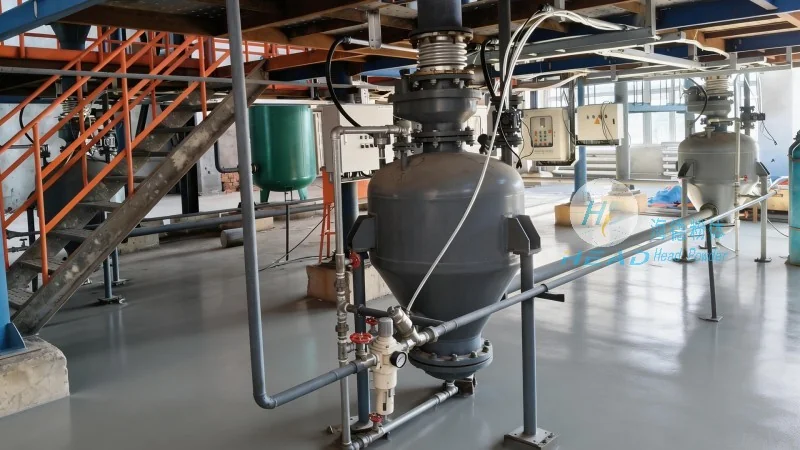
Key Components of a Calcite Pneumatic Conveying System
A calcite pneumatic conveying system typically comprises several critical components that work in unison to ensure smooth operation. These components include the material feeder, which feeds calcite into the system; the conveying pipeline, which transports the material; the air compressor or blower, which provides the necessary air pressure; the control valves and regulators, which manage air flow and pressure; and the dust collection system, which captures any airborne particles to prevent environmental contamination. Each component plays a vital role in maintaining the system's efficiency and safety.
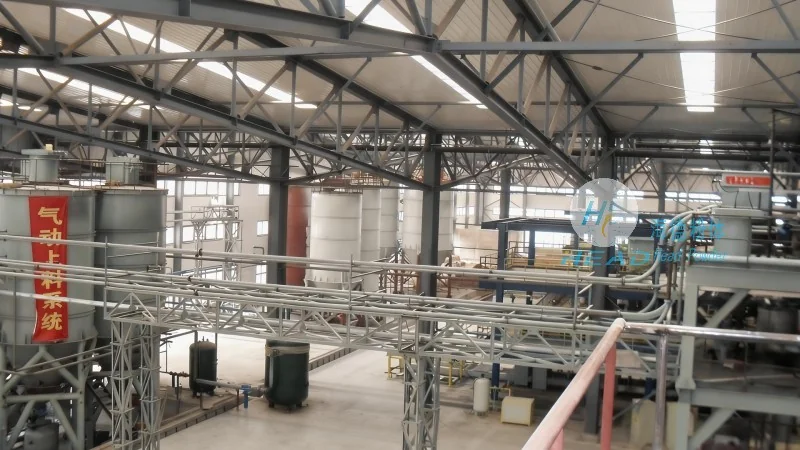
Design Principles for Optimal Performance
The design of a calcite pneumatic conveying system must consider several key principles to achieve optimal performance. First, the system must be tailored to the specific properties of calcite, such as its particle size distribution, moisture content, and flowability. The particle size is particularly important as it affects the air-to-material ratio and the required velocity for effective conveying. For fine calcite powders, higher air velocities are necessary to prevent clogging and ensure uniform flow. Second, the system must be designed to minimize pressure drop along the pipeline. This involves selecting appropriate pipe diameters, using smooth pipe surfaces, and avoiding sharp bends or restrictions that could cause blockages. Third, the system must incorporate adequate safety features, such as pressure relief valves and dust explosion suppression systems, to protect against potential hazards. Finally, the design must prioritize overall system efficiency, balancing energy consumption with conveying capacity to achieve cost-effective operation.
Applications and Benefits in Industrial Settings
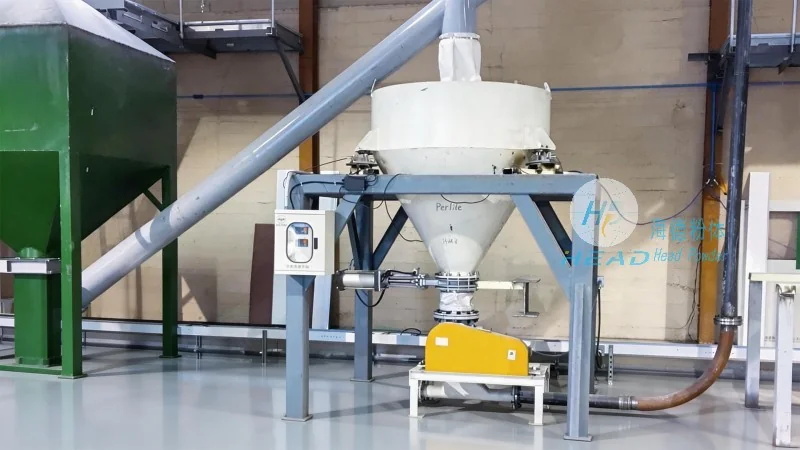
Calcite pneumatic conveying systems are widely employed in various industrial applications where calcite serves as a key raw material. In the construction industry, calcite is used to produce cement and concrete, and the system ensures efficient transportation of the powder from storage to production lines. In the pharmaceutical industry, calcite is used as a filler or excipient in drug formulations, and the system provides a hygienic and dust-free method of handling the material. In the chemical industry, calcite is used in the production of calcium carbonate products, and the system helps maintain consistent quality and process control. The benefits of utilizing a pneumatic conveying system for calcite include reduced material handling costs, improved safety due to enclosed systems, and enhanced process efficiency. Additionally, the system minimizes environmental impact by containing dust and preventing contamination of the surrounding environment.
Conclusion
In conclusion, a calcite pneumatic conveying system is a critical piece of equipment for industries that rely on calcite as a raw material. The system's design principles, which consider material properties, system efficiency, and safety, ensure that calcite is transported effectively and reliably. By understanding the key components and design considerations, industries can select and implement a system that meets their specific needs and enhances overall operational performance. As calcite continues to be a crucial component in various industrial applications, the importance of efficient and reliable pneumatic conveying systems will only grow.




