

What is a Centralized Feeding System? Understanding Its Design Principles
Centralized feeding systems have become a cornerstone in modern industrial and manufacturing environments, offering efficient material handling solutions that streamline production processes. As a key component in various industries, these systems are designed to deliver raw materials or components directly to the point of use, reducing downtime and improving operational efficiency. This article delves into the fundamental concepts of centralized feeding systems, exploring their design principles and the technological advancements that make them indispensable in contemporary manufacturing. Shandong HeadPowder Engineering Co., Ltd., a leading manufacturer in material handling solutions, provides insights into the design and implementation of these systems.
What is a Centralized Feeding System?
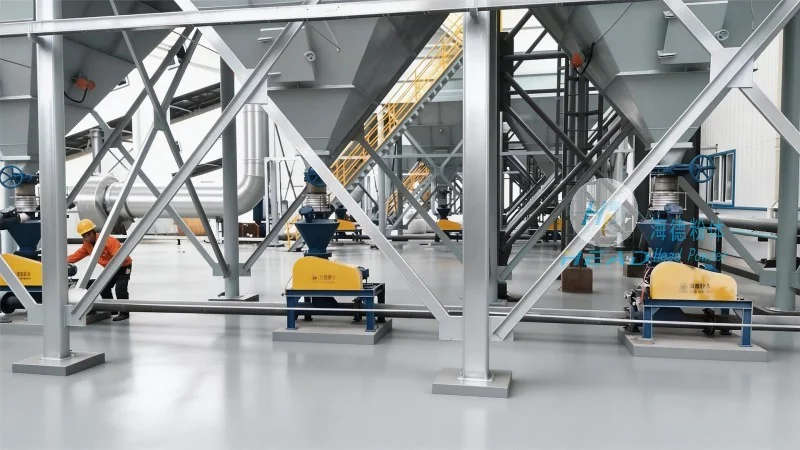
A centralized feeding system, often referred to as a central feeding system or automated material feeding system, is a sophisticated setup that consolidates the storage, processing, and distribution of raw materials or components. Unlike traditional feeding methods that rely on manual or decentralized storage, this system integrates multiple feeding mechanisms into a single, centralized unit. The primary goal is to ensure a continuous and reliable supply of materials to production lines, assembly stations, or processing equipment, minimizing the need for manual intervention and optimizing workflow. By centralizing the feeding process, manufacturers can achieve greater control over material flow, reduce waste, and enhance overall productivity.
Key Components of a Centralized Feeding System
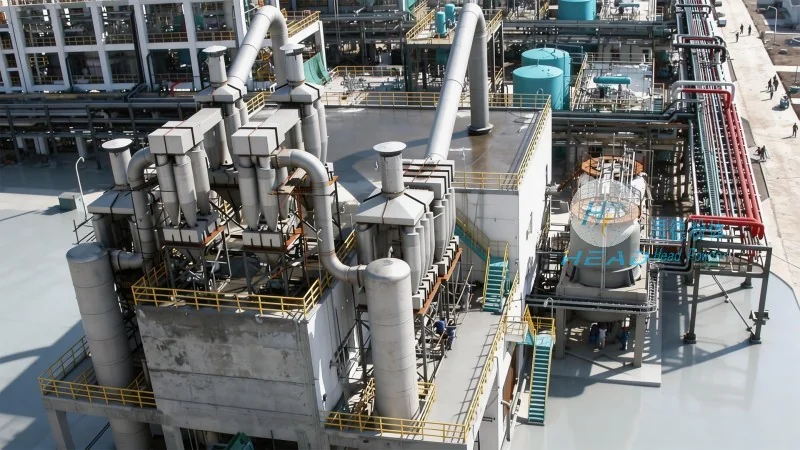
The effectiveness of a centralized feeding system hinges on its integrated components, each playing a crucial role in the material handling process. These components typically include:
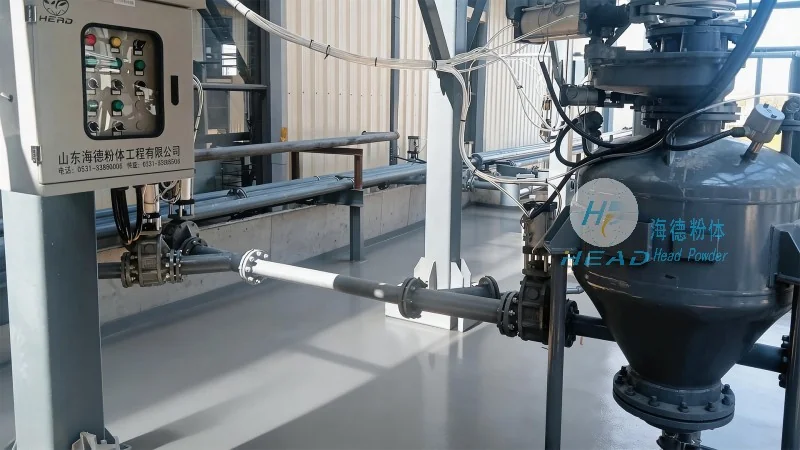
- Material Hopper or Storage Bin: This is the primary container where raw materials or components are stored. The design of the hopper is critical, as it must accommodate different material types, sizes, and shapes while ensuring proper flow and preventing material bridging or clogging.
- Feeding Mechanism: This component is responsible for moving materials from the hopper to the next stage of the system. Common feeding mechanisms include vibratory feeders, screw feeders, belt conveyors, and pneumatic systems. The choice of mechanism depends on the material properties, such as density, moisture content, and particle size, as well as the required feeding rate and precision.
- Distribution Unit: Once materials are fed from the hopper, they are directed to the appropriate processing or assembly station. This unit may include dividers, sorters, or rotary tables that separate and route materials based on specific criteria, such as size, weight, or orientation.
- Control System: A centralized control system, often integrated with sensors and automation software, monitors and regulates the entire feeding process. This system ensures that materials are delivered at the right time and in the correct quantity, adapting to changes in production demand or material availability.
Design Principles Behind Centralized Feeding Systems
The design of a centralized feeding system is guided by several key principles aimed at maximizing efficiency, reliability, and adaptability. These principles include: