HeadPowder, the abbreviation for Shandong HeadPowder Engineering Co., Ltd., is a professional manufacturer and supplier based in Shandong, China. The company specializes in the design, development, and production of advanced pneumatic conveying systems tailored for various industrial applications, including the efficient handling of sanding powders.
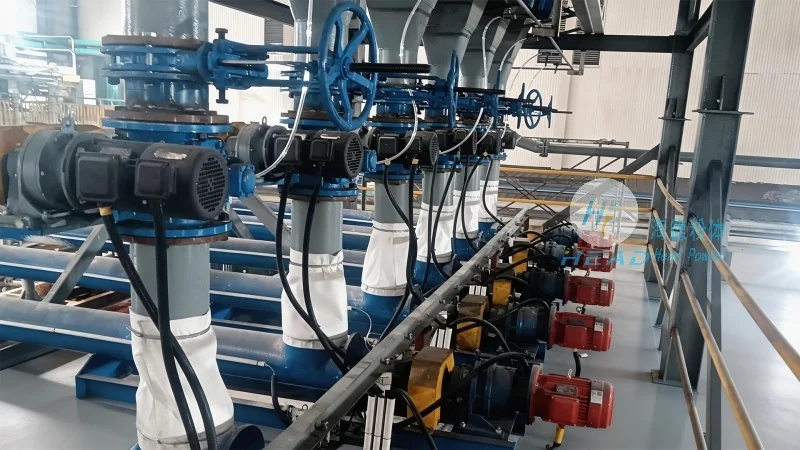
Introduction to Pneumatic Conveying of Sanding Powders
Pneumatic conveying, also known as pneumatic transport, is a method used to move bulk materials like sanding powders through a pipeline using air or other gases. This technology offers several advantages over traditional mechanical conveying methods, such as reduced equipment wear, lower maintenance costs, and the ability to handle materials in a dust-free environment. Sanding powders, typically used in woodworking and metal finishing industries, often require precise and controlled transport to maintain their quality and prevent contamination. Pneumatic conveying systems are designed to address these needs by providing a reliable and efficient means of material transfer.
Structural Principles of Pneumatic Conveying Systems
The core components of a pneumatic conveying system for sanding powders include the material hopper, air compressor, conveying line, and dust collection system. The material hopper is where the sanding powder is stored and fed into the system. It is equipped with a feeder that controls the flow rate of the material into the conveying line. The air compressor generates the necessary pressure and airflow to move the powder through the pipeline. The conveying line, usually made of stainless steel or other corrosion-resistant materials, ensures the material is transported efficiently while minimizing particle degradation. The dust collection system, often integrated with the conveying line, captures any airborne particles and returns them to the system, maintaining a clean and safe working environment.
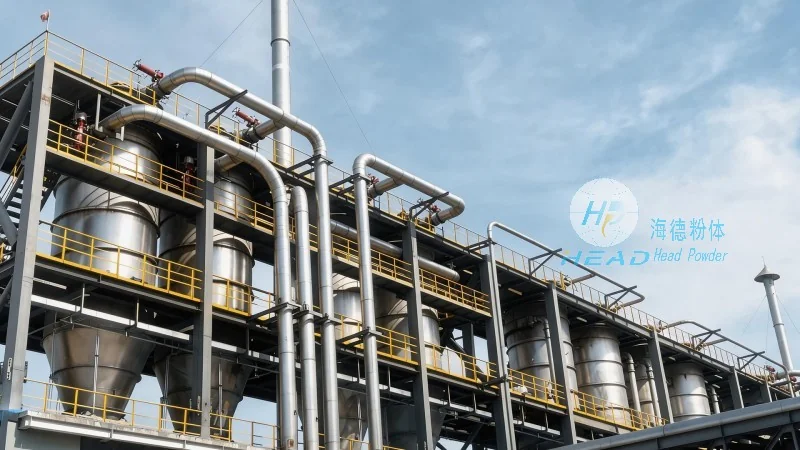
Working Process of the Pneumatic Conveying System
The operation of the pneumatic conveying system for sanding powders involves several key steps. First, the sanding powder is loaded into the material hopper. The feeder then regulates the discharge rate, ensuring a consistent flow of material into the conveying line. Simultaneously, the air compressor produces compressed air, which is introduced into the conveying line at a controlled pressure. The air and powder mixture travels through the pipeline, with the air providing the necessary force to move the powder. The system may include various components such as bends, filters, and check valves to ensure smooth and efficient transport. At the destination, the powder is discharged into a collection container, while the air is filtered and returned to the system or released safely. This process allows for the continuous and automated handling of sanding powders, reducing manual labor and improving overall operational efficiency.
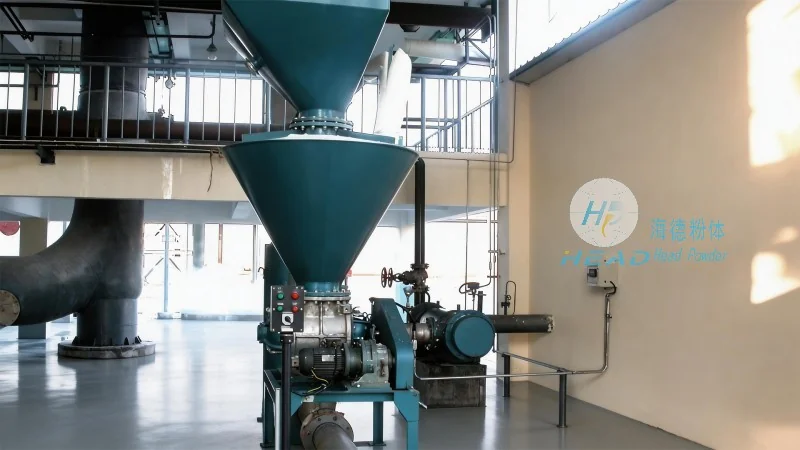
Advantages of Pneumatic Conveying for Sanding Powders
Implementing a pneumatic conveying system for sanding powders offers numerous benefits. One of the primary advantages is the ability to handle materials in a closed system, which minimizes dust exposure and improves workplace safety. This is particularly important in industries where sanding powders are used, as they can be hazardous if inhaled. Additionally, pneumatic conveying reduces the risk of material contamination, as the system is designed to keep the powder separate from external elements. The technology also offers flexibility in terms of material handling, allowing for the transport of different types and sizes of sanding powders without significant modifications to the system. Furthermore, the reduced wear and tear on equipment compared to mechanical conveying result in lower maintenance costs and longer equipment lifespan. Overall, pneumatic conveying provides a cost-effective and efficient solution for the transportation of sanding powders, enhancing productivity and operational reliability.
Applications in Industrial Settings
The pneumatic conveying systems developed by HeadPowder are widely used in various industrial applications involving sanding powders. In woodworking factories, these systems are employed to transport sanding powders from storage areas to production lines, ensuring a steady supply of material for sanding operations. Similarly, in metal finishing plants, the systems help move abrasive powders used in grinding and polishing processes. The ability to handle bulk materials in a controlled manner makes pneumatic conveying ideal for industries where precision and consistency are critical. By integrating these systems into their operations, companies can improve their workflow, reduce downtime, and enhance the overall quality of their products. HeadPowder's expertise in designing and manufacturing customized pneumatic conveying solutions ensures that clients receive systems tailored to their specific needs, optimizing performance and efficiency.




