Shandong HeadPowder Engineering Co., Ltd., commonly known as headpowder, is a professional enterprise dedicated to the research, development, and application of pneumatic conveying systems, particularly for heavy calcium powder. The company is headquartered in Shandong, China, and has been committed to providing high-quality solutions for material handling in various industrial sectors. With a focus on innovation and customer satisfaction, headpowder has established itself as a leading provider of advanced pneumatic conveying technologies tailored to the needs of modern industry.
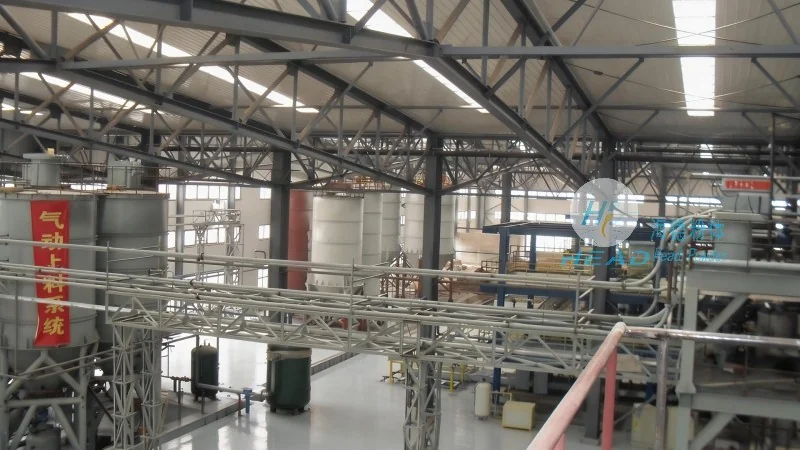
Heavy Calcium Powder Pneumatic Conveying: An Overview
Heavy calcium powder, a widely used industrial material, often requires efficient and reliable transportation methods for processing and application. Pneumatic conveying, as a key technology in material handling, offers a solution that combines the advantages of dust-free operation, energy efficiency, and flexibility. This article provides an introduction to the pneumatic conveying of heavy calcium powder, focusing on its structure and working principles. The system is designed to handle the unique properties of heavy calcium powder, such as its particle size, density, and flow characteristics, ensuring optimal performance and minimal material degradation.
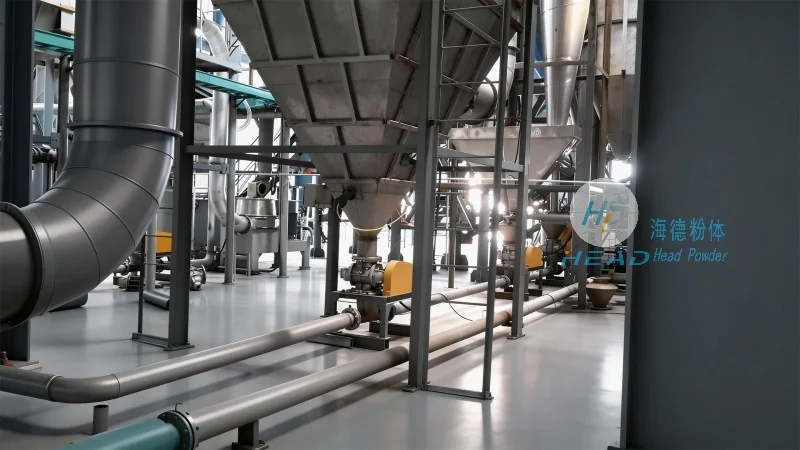
Structure and Working Principles of Pneumatic Conveying Systems for Heavy Calcium Powder
The pneumatic conveying system for heavy calcium powder typically consists of several core components, each playing a crucial role in the overall operation. The main structure includes a material feeding device, a conveying pipeline, a pressure vessel or receiver, a blower or air compressor, and a control system. The material feeding device is responsible for introducing the heavy calcium powder into the system, ensuring a consistent and controlled flow. The conveying pipeline, often made of corrosion-resistant materials such as stainless steel or plastic, transports the powder and air mixture. The pressure vessel or receiver collects the conveyed material and may include a dust collection system to ensure environmental compliance. The blower or air compressor generates the necessary airflow and pressure to move the powder particles through the pipeline. The control system monitors and regulates the operation, maintaining optimal conditions for conveying efficiency and safety. Each component is carefully selected and integrated to ensure the system operates smoothly and reliably, even under varying load conditions.
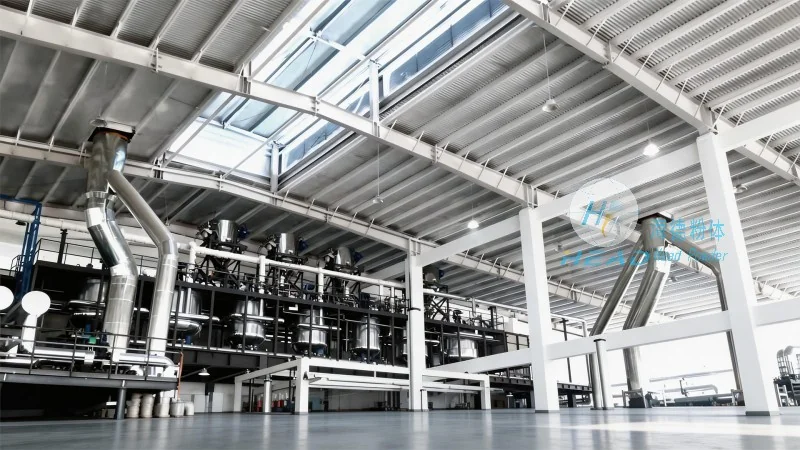
Working Process of the Pneumatic Conveying System
The operation of the pneumatic conveying system for heavy calcium powder follows a systematic process. Initially, the heavy calcium powder is fed into the system through the material feeding device, which may be a hopper or a rotary valve. The powder then enters the conveying pipeline, where it is mixed with the air supplied by the blower. The air, under pressure, propels the powder particles through the pipeline, creating a suspension of powder and air. As the mixture travels through the pipeline, it reaches the pressure vessel or receiver, where the air is separated from the powder. The separated powder is collected in the receiver, while the air is either discharged to the atmosphere or recirculated back to the blower. The control system continuously monitors parameters such as pressure, flow rate, and temperature to ensure the system operates within safe and efficient limits. This process allows for the seamless and continuous transportation of heavy calcium powder from the source to the destination, minimizing downtime and operational costs. The system's design ensures that the heavy calcium powder is handled gently, preventing agglomeration or damage to the particles, which is critical for maintaining the quality of the final product.
Key Advantages of Pneumatic Conveying for Heavy Calcium Powder
Pneumatic conveying systems for heavy calcium powder offer several advantages over traditional methods like belt conveyors or bucket elevators. One of the primary benefits is the ability to operate in a dust-free environment, which enhances workplace safety and reduces the risk of dust-related health issues. Additionally, the system is highly flexible, allowing for changes in the conveying route or destination without major modifications. Energy efficiency is another significant advantage, as the system can be optimized to use minimal air pressure and flow rates, reducing operational costs. The continuous operation of the system also minimizes material handling time and improves overall productivity. Furthermore, the system can handle a wide range of particle sizes and densities, making it suitable for various applications in the chemical, pharmaceutical, and food industries.
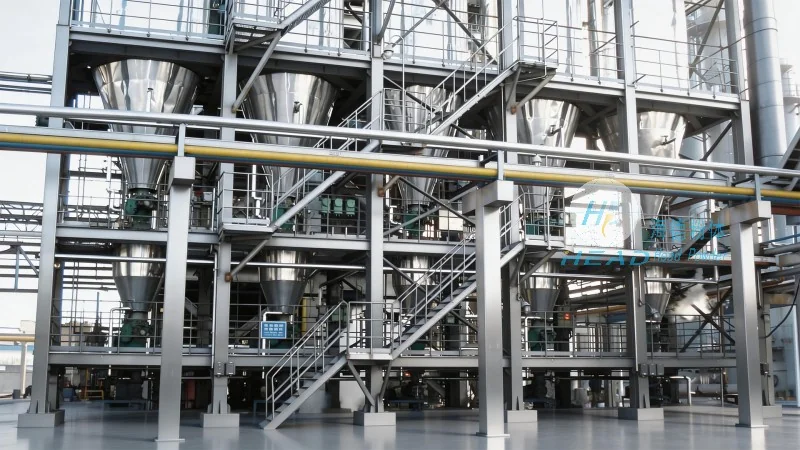
Applications and Industries Served
The pneumatic conveying systems developed by headpowder are widely used in various industries that rely on heavy calcium powder. In the chemical industry, these systems are used for transporting calcium carbonate in the production of coatings, plastics, and adhesives. The pharmaceutical industry utilizes them for handling calcium supplements and other powders, ensuring a clean and hygienic process. The food industry also benefits from these systems, particularly in the production of calcium-rich products like dairy and beverages. By providing customized solutions tailored to the specific requirements of each industry, headpowder ensures that the pneumatic conveying systems are optimized for performance and compliance with industry standards.




