Pepper pneumatic conveying systems represent a sophisticated method for the efficient handling and transportation of pepper particles. These systems are widely utilized in the food processing industry, particularly for the safe and hygienic movement of spices and seasonings. The technology behind pneumatic conveying leverages the principles of air flow to transport solid materials, offering advantages such as reduced contamination risks and enhanced operational flexibility compared to traditional mechanical conveyors.
Overview of Pepper Pneumatic Conveying Systems
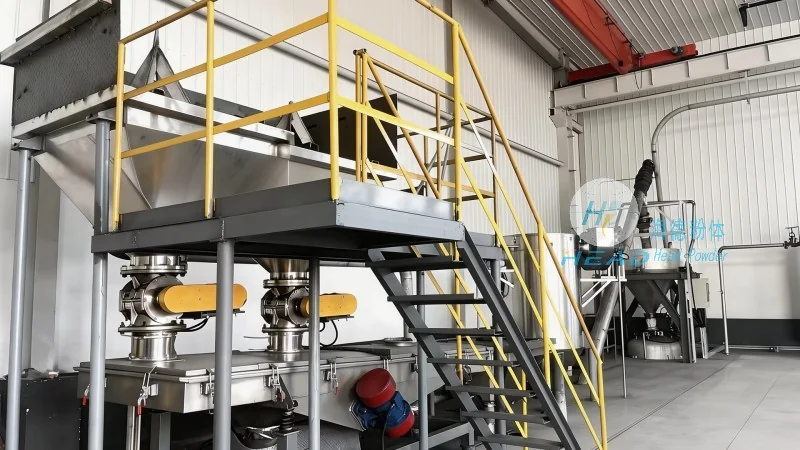
At the core of pepper pneumatic conveying is the ability to transport dry, granular, or powdered materials like pepper through a pipeline using pressurized or vacuum air. The system typically consists of several key components, including a feeder, a conveying line, a separator, and a discharge device. The feeder is responsible for introducing the pepper into the system, often in a controlled manner to maintain consistent flow rates. The conveying line, which may be made of stainless steel or other corrosion-resistant materials, ensures the material is transported from the source to the destination. A separator is crucial for separating the conveyed pepper from the air stream, preventing material loss and ensuring clean air discharge. Finally, the discharge device delivers the pepper to its final storage or processing location.
Structural Components and Their Functions
The structural design of a pepper pneumatic conveying system is engineered to optimize performance and durability. The feeder unit, often a rotary valve or a star feeder, ensures a steady supply of pepper into the system, preventing blockages and maintaining uniform material flow. The conveying line is constructed from high-quality materials like stainless steel to withstand the abrasive nature of pepper particles and resist corrosion from moisture or other environmental factors. The separator, commonly a cyclone or a bag filter, efficiently separates the pepper from the air, with the cyclone using centrifugal force to pull the heavier pepper particles out of the air stream and the bag filter capturing fine particles to ensure clean air release. The discharge device, such as a rotary valve or a screw conveyor, safely delivers the pepper to the next stage of processing or storage, maintaining product integrity and preventing spillage.
Principle of Operation: How Pneumatic Conveying Works
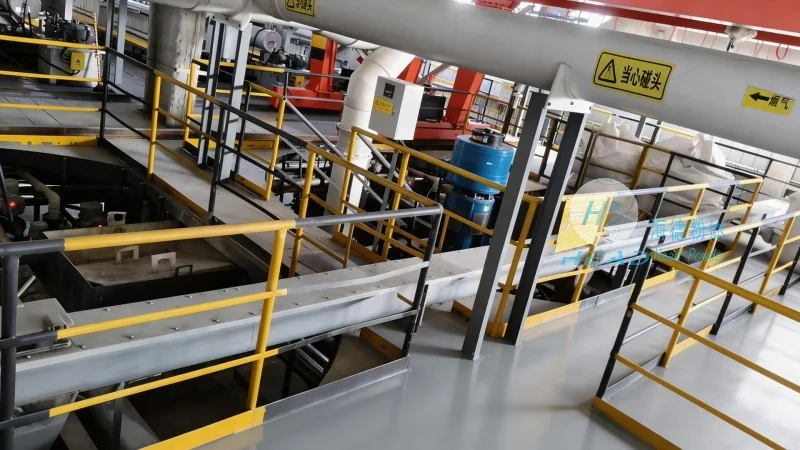
The operational principle of pepper pneumatic conveying involves creating a pressure differential or vacuum to move the pepper through the system. In a pressurized system, air is forced into the conveying line under pressure, carrying the pepper particles along with it. The air velocity is carefully controlled to ensure the pepper remains suspended and moves smoothly through the pipeline without settling or clogging. In a vacuum system, air is drawn out of the line, creating a negative pressure that pulls the pepper from the source into the system. Both systems rely on the balance between air velocity and particle size to achieve efficient transport. The design of the system, including the size of the conveying line and the type of air movement, is tailored to the specific characteristics of the pepper being handled, such as particle size, density, and moisture content.
Advantages of Using Pepper Pneumatic Conveying
Implementing a pepper pneumatic conveying system offers several key advantages for food processing operations. Firstly, it provides a hygienic and contamination-free method of transporting pepper, as the system is enclosed and sealed, preventing exposure to external contaminants. This is particularly important in the food industry where product safety and quality are paramount. Secondly, pneumatic conveying systems are highly flexible, allowing for changes in material flow rates and destinations without major modifications to the system. This adaptability makes them suitable for dynamic production environments where processing needs may vary. Thirdly, the system reduces labor costs by automating the material handling process, minimizing the need for manual handling and associated risks. Additionally, the enclosed design of the system helps maintain consistent product temperature and moisture levels, preserving the quality and flavor of the pepper throughout the conveying process.
Applications in the Food Processing Industry
Pepper pneumatic conveying systems are widely applied in various stages of pepper processing and handling. In the initial stages, the system can be used to transport raw pepper from storage silos or processing lines to grinding or sorting equipment. During the grinding process, the system efficiently conveys ground pepper to packaging lines or storage tanks. Additionally, the system is utilized in the blending of pepper with other spices or seasonings, ensuring uniform mixing and consistent flavor profiles. The versatility of pneumatic conveying makes it suitable for both small-scale and large-scale production facilities, accommodating varying production volumes and processing requirements.
Considerations for System Design and Installation
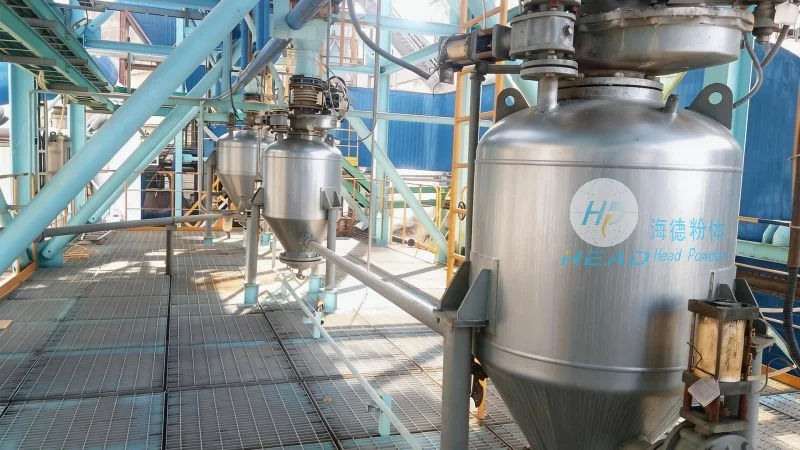
When designing and installing a pepper pneumatic conveying system, several factors must be considered to ensure optimal performance and longevity. The selection of materials is critical, as the system must withstand the abrasive nature of pepper particles and resist corrosion from moisture or cleaning agents. Stainless steel is commonly used for components that come into direct contact with the pepper to maintain hygiene standards. The size and layout of the conveying line are determined by the volume of pepper to be transported and the distance between the source and destination. Proper maintenance of the system, including regular cleaning and inspection of components like the separator and feeder, is essential to prevent clogging and ensure consistent operation. Additionally, the system should be designed to meet local regulations and industry standards for food processing equipment, ensuring compliance with safety and quality requirements.
Conclusion: The Role of Pepper Pneumatic Conveying in Modern Food Processing
Pepper pneumatic conveying systems play a vital role in modern food processing, offering an efficient, hygienic, and flexible method for handling pepper and other spices. By leveraging the principles of air flow and advanced engineering, these systems enhance productivity, maintain product quality, and reduce operational risks. As the food industry continues to evolve, the demand for reliable and high-performance material handling solutions will remain strong, making pneumatic conveying an essential technology for pepper processing operations. The expertise of companies like Shandong HeadPowder Engineering Co., Ltd., with their focus on tailored solutions and adherence to industry standards, ensures that businesses can benefit from the advantages of pneumatic conveying in their pepper handling processes.




