Foam pneumatic conveying is a sophisticated method used in material handling and processing industries to transport bulk materials through a pipeline system using a mixture of air and foam. This technology offers a flexible and efficient solution for moving powders and granules over long distances or within complex layouts. The core of this system lies in its ability to create a stable foam that carries the material, ensuring minimal product degradation and high transfer efficiency.
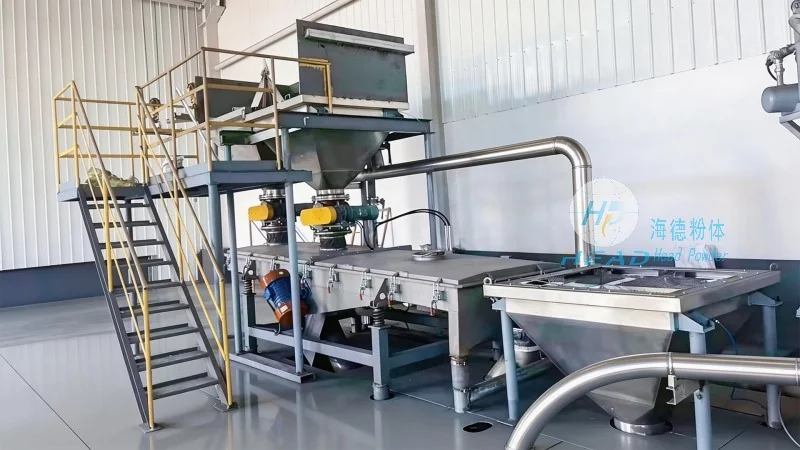
Company Overview and Background
HeadPowder, a leading manufacturer in the field, specializes in designing and supplying advanced pneumatic conveying systems. With a strong presence in Shandong, China, the company has built a reputation for delivering high-quality, reliable equipment tailored to diverse industrial needs. The company’s commitment to innovation and customer satisfaction has positioned it as a key player in the material handling sector.
Basic Principles of Foam Pneumatic Conveying
The fundamental principle behind foam pneumatic conveying involves the generation of a foam medium by mixing air with a liquid carrier, typically water or a specialized solution. This foam, characterized by its low density and high viscosity, acts as a carrier for the solid particles. As the foam flows through the pipeline, it entrains the material, creating a stable suspension that can be transported efficiently. The process relies on the balance between air pressure, liquid flow, and material characteristics to achieve optimal conveying performance.
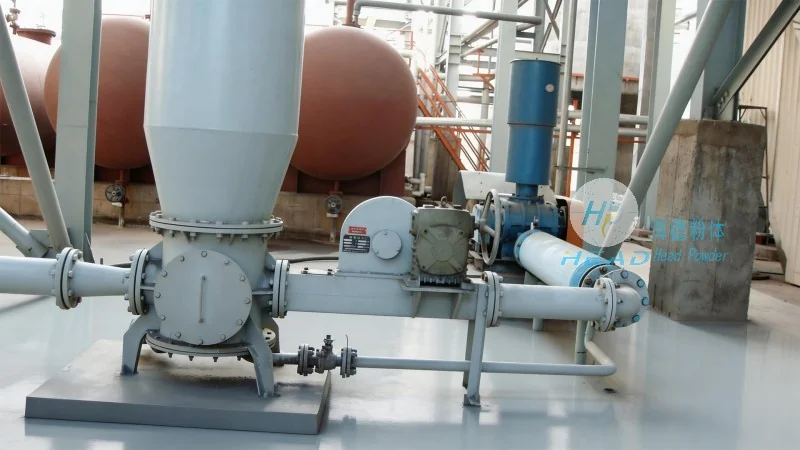
Structural Components and Working Mechanism
A typical foam pneumatic conveying system consists of several key components, each playing a critical role in the overall operation. The system starts with a foam generator, where air and liquid are mixed to create the foam. This foam then enters a material feed hopper, where the bulk material is introduced. The material is then entrained by the foam as it moves through the pipeline. The pipeline itself is designed to handle the foam and material mixture, often incorporating bends, valves, and filters to ensure smooth flow and prevent blockages. At the receiving end, the foam is separated from the material, typically through a separator or a pressure drop device, allowing the material to be discharged while the foam is recycled back to the generator.
Advantages and Applications
Foam pneumatic conveying offers several advantages over traditional pneumatic conveying methods. It provides a gentler handling of materials, reducing the risk of attrition and degradation, which is particularly important for delicate or valuable powders. The system also allows for the transportation of materials over longer distances with less energy consumption compared to other bulk material handling techniques. Additionally, it can handle a wide range of materials, from fine powders to larger granules, making it versatile for various industrial applications. Industries that benefit from this technology include pharmaceuticals, food processing, chemical manufacturing, and mining, where efficient and hygienic material transfer is essential.
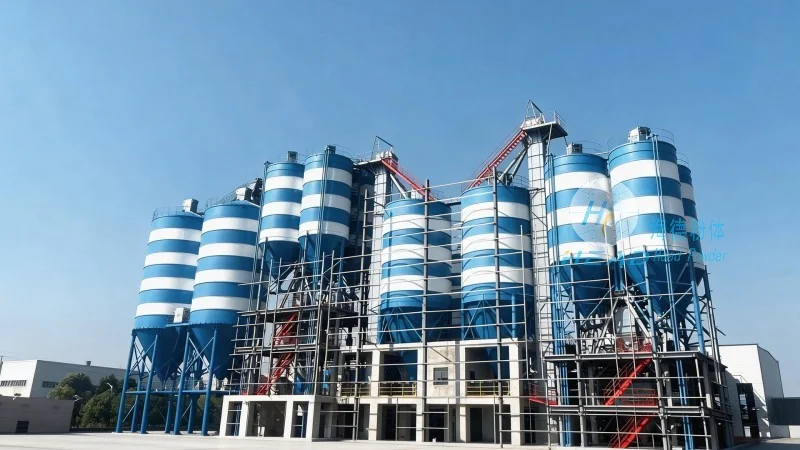
Technical Specifications and Customization
HeadPowder’s foam pneumatic conveying systems are engineered to meet specific operational requirements. The company offers customizable solutions that can be tailored to the characteristics of the material being conveyed, the distance of transport, and the desired throughput. Technical specifications such as air pressure, liquid flow rate, and foam density are carefully optimized to ensure efficient operation. The systems are designed with durability and ease of maintenance in mind, featuring robust components that can withstand the rigors of continuous industrial use.
Conclusion and Contact Information
Foam pneumatic conveying represents a modern and effective approach to bulk material handling, offering significant benefits in terms of efficiency, material protection, and operational flexibility. HeadPowder Engineering Co., Ltd., based in Shandong, China, continues to advance this technology through innovative design and quality manufacturing. For industries seeking reliable and efficient material transfer solutions, HeadPowder’s foam pneumatic conveying systems provide a proven and effective option.




