Understanding the mechanics and design of soda ash pneumatic conveying systems is crucial for industries that handle this essential chemical. This article provides a comprehensive overview of the technology, focusing on its structural components and operational principles.
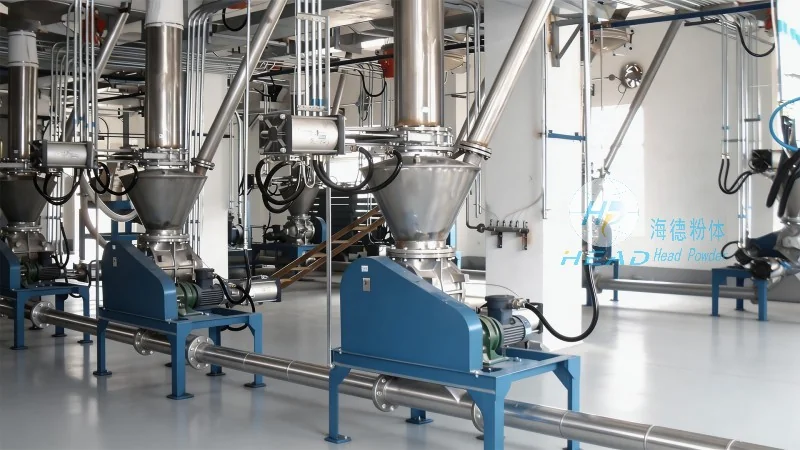
What is Soda Ash Pneumatic Conveying?
Soda ash, or sodium carbonate, is a widely used industrial chemical in applications such as glass manufacturing, chemical processing, and water treatment. Pneumatic conveying is a method that uses air or gas to transport solid materials like soda ash from one location to another. This technology offers advantages over traditional methods like belt conveyors or bucket elevators, including reduced material handling costs, improved safety, and enhanced process control.
The Working Principle of Pneumatic Conveying
The core of a pneumatic conveying system is the transfer of material using a fluid, typically air. The process involves several key steps: material is fed into a hopper, where it is then drawn into a pipeline by a vacuum or pressure source. The air and material mixture travels through the pipeline to the destination point, where the material is separated from the air and discharged. The system can operate under either positive pressure (pressure conveying) or negative pressure (vacuum conveying), depending on the application and system design.
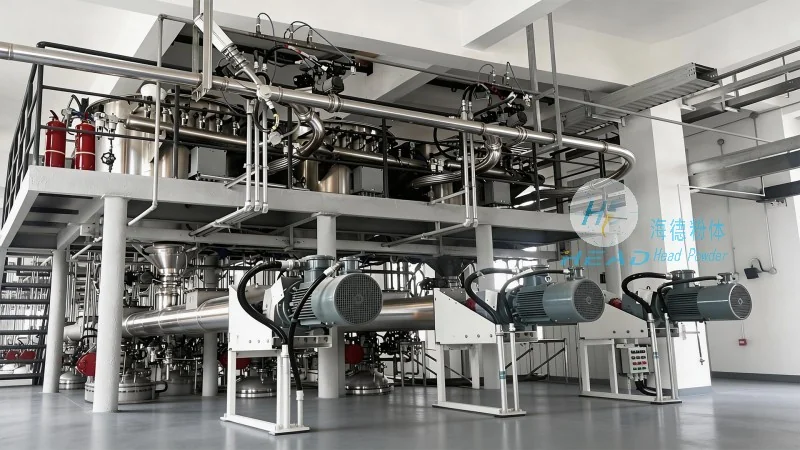
Key Components of the Soda Ash Pneumatic Conveying System
Several critical components make up a functional pneumatic conveying system for soda ash. These include the hopper or feeder, which provides a controlled feed of material; the pipeline network, which transports the material; the air or gas source, which powers the system; and the separation equipment, such as cyclones or filters, which separate the material from the air at the end of the line. Each component must be designed to handle the specific characteristics of soda ash, including its density, flowability, and potential for dust generation.
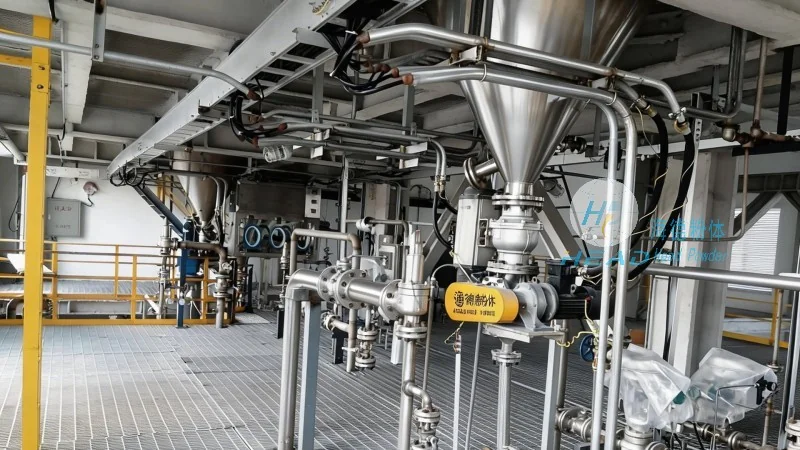
Applications and Benefits of Pneumatic Conveying for Soda Ash
Soda ash pneumatic conveying systems are employed in various industrial settings. They are particularly useful in environments where dust control is essential, as the enclosed system prevents airborne particles from contaminating the workspace. Additionally, these systems can handle materials that are difficult to transport by other means, such as those with high moisture content or those that are prone to caking. The benefits of using pneumatic conveying for soda ash include increased efficiency, reduced labor costs, and improved product quality by minimizing material degradation during transport.
Company Overview: Shandong HeadPowder Engineering Co., Ltd.
Shandong HeadPowder Engineering Co., Ltd., operating under the brand name headpowder, is a leading manufacturer and supplier of industrial conveying solutions. With a focus on innovation and customer satisfaction, the company specializes in designing and manufacturing customized pneumatic conveying systems tailored to the needs of various industries. HeadPowder's expertise lies in understanding the unique requirements of materials like soda ash and developing systems that ensure safe, efficient, and reliable transport. The company's headquarters is located in Shandong, China, where it maintains state-of-the-art facilities for research, development, and production.




