Pneumatic conveying technology is a critical method for transporting bulk materials like gray calcium powder efficiently and safely. This process involves using air or gas to move particles through a pipeline system, offering advantages such as reduced contamination, lower maintenance costs, and improved process control compared to traditional mechanical conveying methods. For industries dealing with calcium-based powders, understanding the structure and operational principles of pneumatic conveying systems is essential for optimizing material handling and enhancing overall production efficiency.
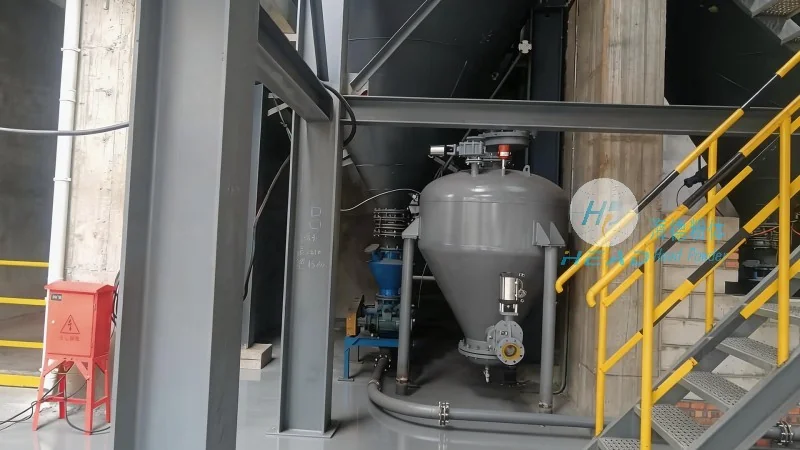
Key Components and Structural Design of Pneumatic Conveying Systems
The core structure of a pneumatic conveying system for gray calcium powder typically includes several key components. The system starts with a material feeding unit, which may be a hopper or a rotary valve, designed to feed the powder into the conveying line. A blower or compressor provides the necessary air pressure to move the material through the pipeline. The pipeline itself is usually made of corrosion-resistant materials like stainless steel or plastic to prevent degradation from the calcium powder, which can be hygroscopic and reactive under certain conditions. Additionally, the system may include a separator or cyclone to separate the powder from the air stream at the discharge end, ensuring clean material collection and air recycling. The design of these components is tailored to handle the specific properties of gray calcium powder, such as its particle size, density, and flow characteristics, to ensure reliable and continuous operation.
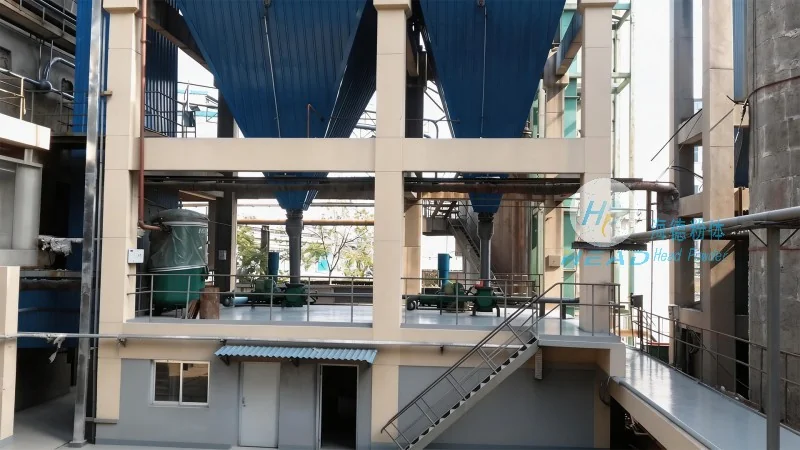
Operational Principles and Flow Mechanisms
The operational principle of pneumatic conveying for gray calcium powder relies on the interaction between the material particles and the air stream. There are two main types of pneumatic conveying systems: dilute-phase and dense-phase. Dilute-phase systems operate at higher air velocities, typically moving particles in a suspended state, which is suitable for short-distance or low-pressure applications. Dense-phase systems, on the other hand, use lower air velocities and higher material concentrations, creating a plug flow where particles move in a more compact form, ideal for longer distances or when handling sensitive materials that require gentler transport. The choice between these systems depends on factors like the distance to be covered, the material's properties, and the desired flow rate. The system's performance is also influenced by parameters such as air pressure, flow rate, and pipeline diameter, all of which must be carefully controlled to maintain efficient and stable conveying.
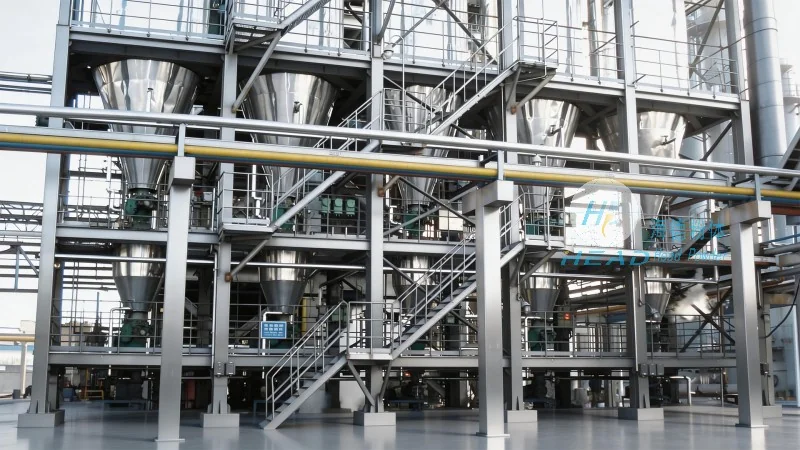
Advantages and Applications in Industrial Settings
Implementing pneumatic conveying systems for gray calcium powder offers several advantages that make it a preferred choice in many industrial applications. One of the primary benefits is the ability to transport materials in a closed system, which minimizes dust emissions and protects both the material and the environment from contamination. This is particularly important for gray calcium powder, which can be a source of airborne particles that may affect worker health or product quality. Additionally, pneumatic conveying systems can handle materials with varying particle sizes and moisture content, making them versatile for different production stages. In industries such as construction, manufacturing, and chemical processing, these systems are used for transporting raw materials to processing units, moving finished products to storage areas, or even for recycling processes. The efficiency and reliability of the system also contribute to reduced downtime and lower operational costs over time, as it requires less maintenance compared to traditional belt or bucket elevators.
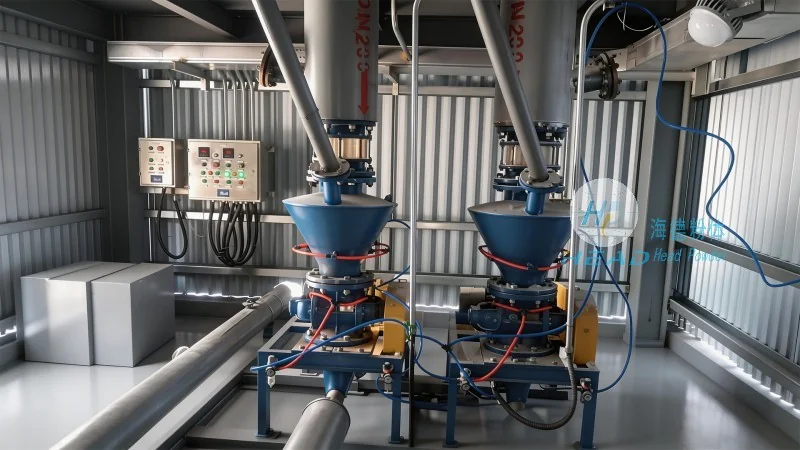
About Shandong HeadPowder Engineering Co., Ltd.
Shandong HeadPowder Engineering Co., Ltd., operating under the brand name headpowder, is a leading provider of specialized engineering solutions for material handling and processing. With a focus on innovative and efficient technologies, the company designs and manufactures pneumatic conveying systems tailored to the unique needs of industries dealing with calcium-based powders. Headpowder's expertise lies in understanding the specific challenges of handling gray calcium powder, such as its tendency to agglomerate or clog pipelines, and developing solutions that address these issues effectively. The company's facilities are located in Shandong, China, where it leverages local resources and expertise to deliver high-quality products and services to clients worldwide. By combining advanced engineering with practical application knowledge, headpowder aims to enhance the productivity and safety of material handling processes for its customers.




