Glucose pneumatic conveying lines are critical equipment in the food and chemical sectors, engineered to transport granular or powdered glucose efficiently and safely. As a leading manufacturer, Shandong HeadPowder Engineering Co., Ltd. specializes in delivering high-quality solutions for these systems, ensuring reliable performance across diverse production environments. This article will delve into the operation process and working principle of such lines, highlighting key components and operational steps to enhance understanding of their functionality.
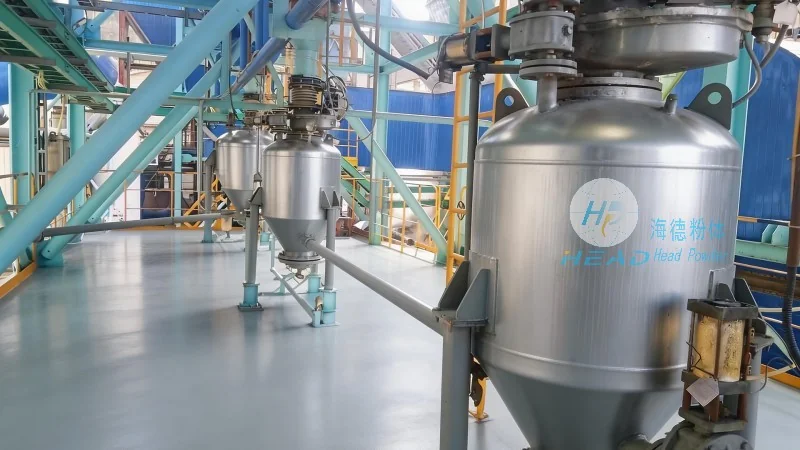
Key Components of Glucose Pneumatic Conveying Lines
The core components of a glucose pneumatic conveying line include the hopper, feeder, air compressor, conveying pipeline, and receiver. The hopper stores the glucose, while the feeder regulates the material flow rate. The air compressor generates the necessary air pressure to move the material through the pipeline. The conveying pipeline, typically constructed from stainless steel or other corrosion-resistant materials, ensures the safe transport of glucose. The receiver collects the material at the destination point. Each component plays a vital role in maintaining the efficiency and safety of the system, with the feeder controlling the feed rate and the air compressor providing the driving force for material transport.
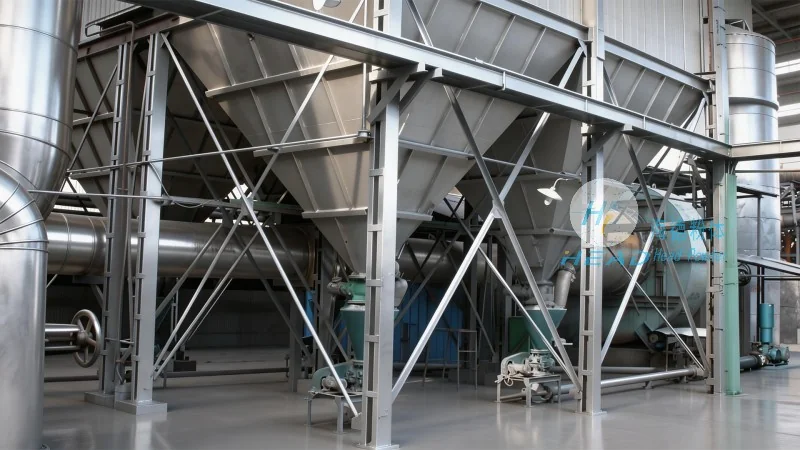
Operation Process of Glucose Pneumatic Conveying Lines
The operation process of a glucose pneumatic conveying line involves sequential steps that ensure consistent and reliable transport. First, the glucose is loaded into the hopper from the storage silo. The feeder then adjusts the material flow, ensuring a steady feed rate. The air compressor starts, generating compressed air that enters the conveying pipeline. As the air flows through the pipeline, it creates either a negative pressure (vacuum) or positive pressure environment, depending on the system design, to pull or push the glucose particles. The material is carried along the pipeline by the air stream, reaching the receiver at the end. The receiver then discharges the glucose into the next processing stage. This process is typically automated, with sensors and control systems monitoring flow rate and pressure to maintain optimal performance, minimizing downtime and maximizing throughput.
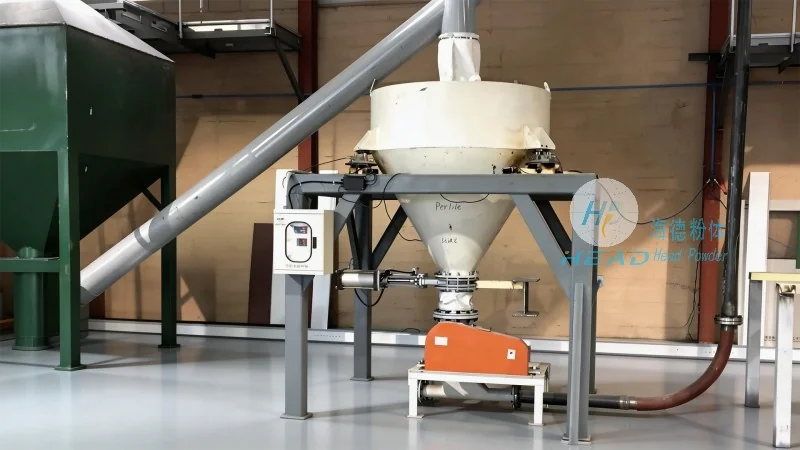
Working Principle of Glucose Pneumatic Conveying Lines
The working principle of glucose pneumatic conveying lines is based on fluid dynamics and particle transport mechanics. In a positive pressure system, the air compressor supplies compressed air that pushes the glucose particles through the pipeline. The air velocity is maintained above the minimum conveying velocity to prevent material settling or blockage. In a negative pressure (or vacuum) system, the air is drawn from the pipeline, creating a vacuum that pulls the glucose particles. The design of the system, including air velocity and pipeline diameter, is crucial for efficient conveying. The system also incorporates cyclones or filters at the receiver to separate the air from the material, ensuring clean and dry glucose is delivered to the next stage. This separation process is vital for maintaining product quality and preventing contamination.
Advantages of Glucose Pneumatic Conveying Lines
Glucose pneumatic conveying lines offer several advantages over traditional mechanical conveying methods. They are suitable for transporting glucose in a dust-free environment, reducing contamination risks and meeting stringent hygiene standards. The system is compact and can be installed in various production layouts, saving valuable floor space. Additionally, the conveying process is gentle on the material, preserving the quality and integrity of the glucose particles, which is critical for food and pharmaceutical applications. The automated control systems enhance operational efficiency, reduce labor costs, and improve overall productivity. These advantages make glucose pneumatic conveying lines a preferred choice for modern food and chemical processing facilities seeking reliable and efficient material handling solutions.
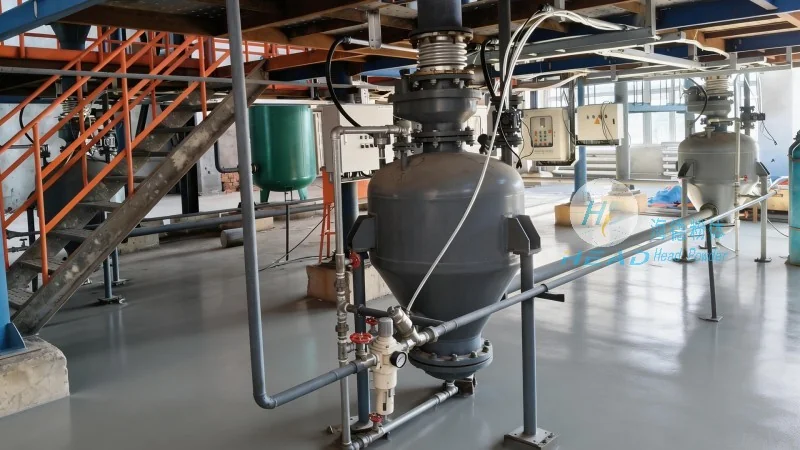
Applications and Industries
Glucose pneumatic conveying lines are widely used in the food and beverage industry, particularly in the production of glucose syrups, sweeteners, and other glucose-based products. They are also applied in the chemical industry for transporting glucose derivatives or related powders. The systems are suitable for both small-scale and large-scale production, adapting to different throughput requirements. The reliability and efficiency of these lines make them essential for maintaining consistent production quality and meeting regulatory standards, such as those set by the FDA or EU food safety guidelines. Industries that require precise control over material flow and minimal product degradation benefit significantly from these systems.




