At Shandong HeadPowder Engineering Co., Ltd., we specialize in the design, manufacturing, and installation of advanced pneumatic conveying systems for sodium chlorate applications. This document provides a comprehensive overview of the operation process and working principles of our sodium chlorate pneumatic conveying lines, ensuring efficient material handling and safe operation.
Key Components of the Pneumatic Conveying System
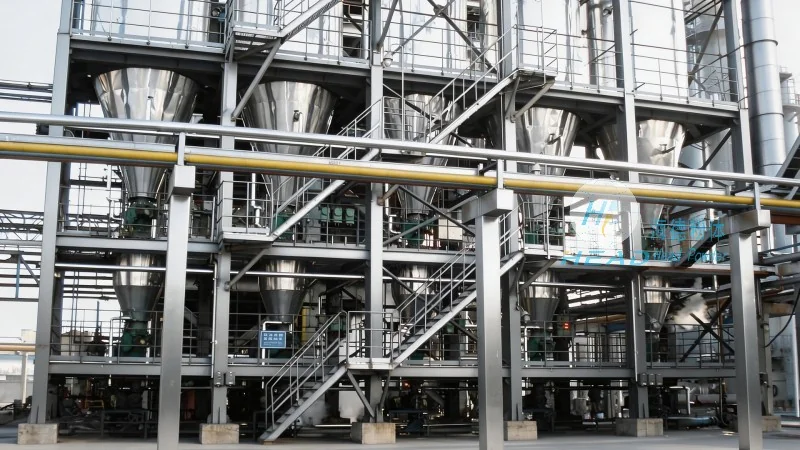
The sodium chlorate pneumatic conveying line typically consists of several critical components that work in tandem to achieve effective material transport. These include the material hopper, feeder, air compressor, conveying pipeline, and control system. Each component plays a vital role in maintaining the integrity and safety of the conveying process.
Material Hopper and Feeder
The material hopper is the initial storage vessel where sodium chlorate is stored before being fed into the conveying system. It is designed with a sloped bottom to facilitate smooth material flow. The feeder, often a rotary valve or screw feeder, regulates the flow rate of sodium chlorate from the hopper into the conveying pipeline. Precise control of the feed rate is essential to prevent overloading the system and ensure consistent conveying performance.
Air Compressor and Pressure Regulation
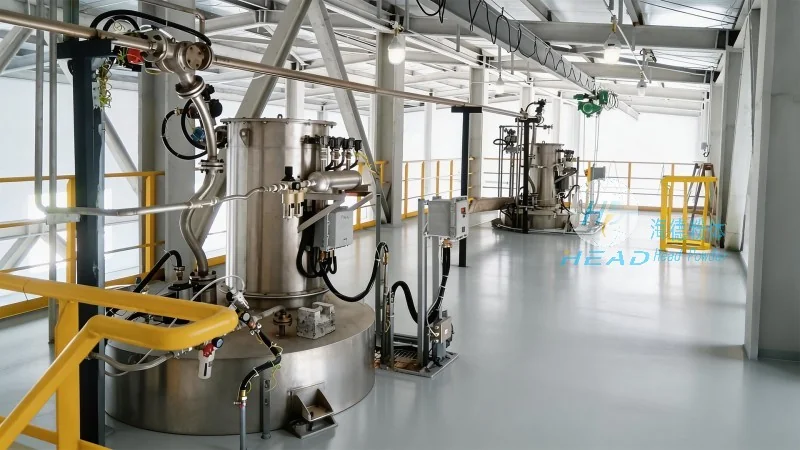
The air compressor is the heart of the pneumatic conveying system, responsible for generating the necessary air pressure to move sodium chlorate particles through the pipeline. The system utilizes either positive pressure or negative pressure (air suction) depending on the application requirements. Positive pressure systems are commonly used for long-distance or high-capacity conveying, while negative pressure systems are suitable for short-distance or dusty environments. The compressor is equipped with pressure regulators and safety valves to maintain stable pressure and prevent over-pressurization.
Conveying Pipeline and Material Transport
The conveying pipeline is constructed from durable materials such as stainless steel or special plastic to withstand the corrosive nature of sodium chlorate and prevent material buildup. The pipeline is designed with smooth inner surfaces to minimize friction and ensure efficient particle movement. The system operates by injecting compressed air into the pipeline, creating a flow that carries sodium chlorate particles in a dilute or dense phase. The dilute phase conveying uses low air velocity and high material concentration, while the dense phase conveying employs higher air velocity and lower material concentration to achieve longer transport distances with less pressure drop.
Control System and Safety Features
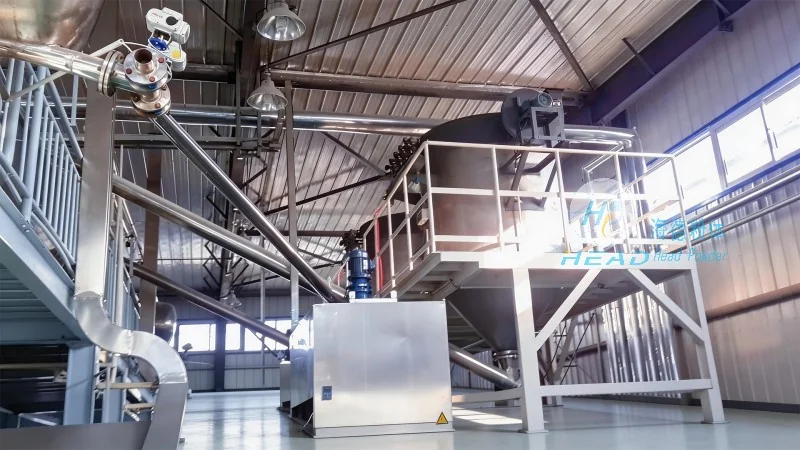
The control system monitors and regulates the entire pneumatic conveying process, ensuring optimal performance and safety. It includes sensors for pressure, flow rate, and material level, as well as alarms and interlocks to prevent accidents. Safety features such as explosion-proof designs, overpressure protection, and emergency shut-off valves are integrated into the system to comply with industrial safety standards. Regular maintenance and inspections are conducted to ensure the system operates within safe parameters and to extend its service life.
Operation Process Flow
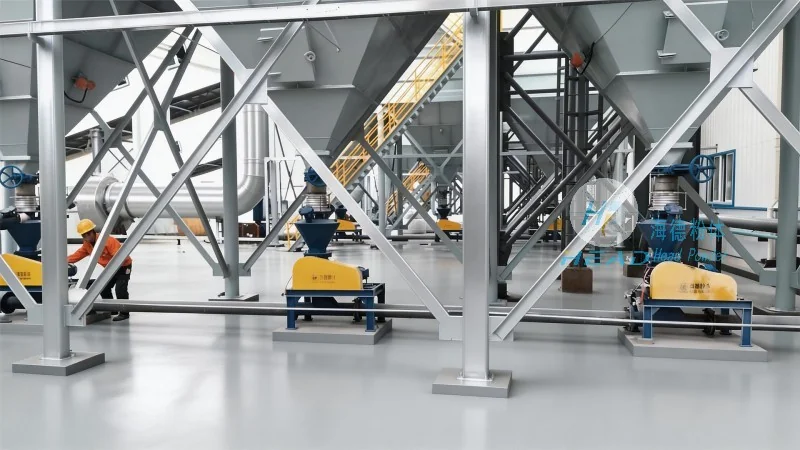
The operation process of the sodium chlorate pneumatic conveying line begins with loading sodium chlorate into the material hopper. The feeder then starts to discharge the material at a controlled rate into the conveying pipeline. Simultaneously, the air compressor supplies compressed air to the pipeline, creating a pressure differential that propels the sodium chlorate particles forward. The material travels through the pipeline to the destination point, such as a storage silo or processing unit. The control system continuously monitors the process parameters and adjusts the feed rate or air pressure as needed to maintain stable operation. The entire process is automated, reducing the need for manual intervention and minimizing the risk of human error.
Working Principle of the Pneumatic Conveying System
The working principle of the sodium chlorate pneumatic conveying line is based on the principle of fluidization and particle suspension. Compressed air is introduced into the conveying pipeline, creating a flow that suspends the sodium chlorate particles in the air stream. The particles are carried along the pipeline by the air flow, maintaining a uniform distribution throughout the conveying process. The system's efficiency depends on the balance between air velocity and material concentration, which must be optimized to prevent particle segregation or blockages. The use of positive or negative pressure, as well as the selection of conveying phase (dilute or dense), affects the system's performance and suitability for different applications.




