

Operation Process and Working Principle of Mineral Powder Pneumatic Conveying Lines
Mineral powder pneumatic conveying lines are critical in industrial operations for efficiently transporting fine powders like ores, minerals, and other bulk materials over long distances. These systems offer a reliable, dust-free, and automated solution that enhances productivity while maintaining material integrity. As a leading provider in the field, Shandong HeadPowder Engineering Co., Ltd., commonly known as headpowder, specializes in designing and manufacturing advanced pneumatic conveying solutions tailored to diverse industrial needs.
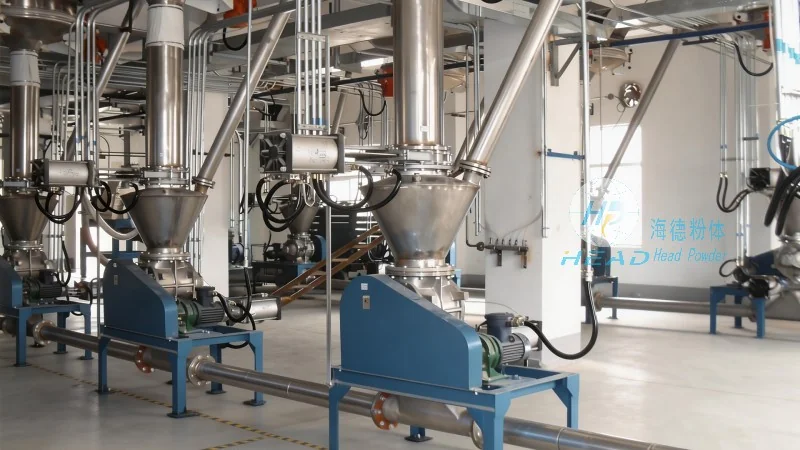
Company Overview: headpowder
Headpowder is a reputable enterprise based in Shandong, China, dedicated to delivering high-quality pneumatic conveying equipment and systems. With years of experience in the industry, the company has built a strong reputation for its innovative designs, robust construction, and customer-centric approach. The company’s commitment to excellence is reflected in its state-of-the-art manufacturing facilities and rigorous quality control processes, ensuring that every product meets the highest industry standards.
The Operation Process of Mineral Powder Pneumatic Conveying Lines
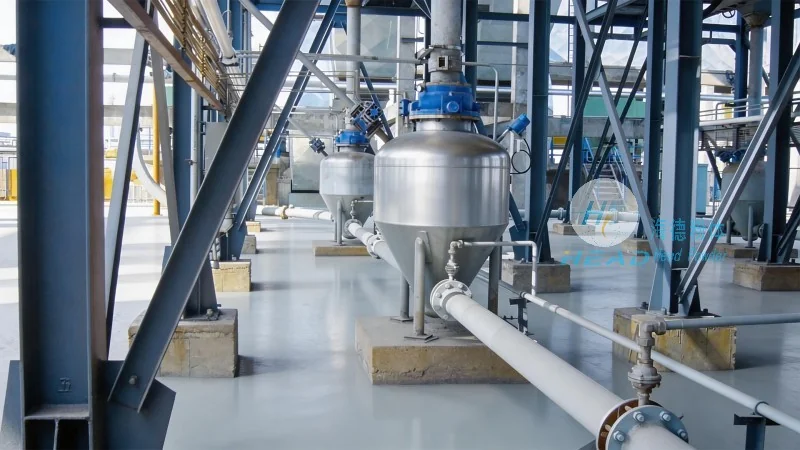
The operation process of a mineral powder pneumatic conveying line typically involves several key steps that ensure smooth and efficient material transport. The process begins with the material being fed into the system, either from a hopper or a silo. The material is then drawn into the conveying line by a vacuum or pressure created by the air compressor. The air and material mixture travels through the pipeline, with the air providing the necessary force to move the powder. At the receiving end, the material is separated from the air, often through a cyclone separator or a filter, and collected in a designated container. The system is designed to handle various particle sizes and flow rates, making it adaptable to different industrial applications.
Working Principle of Pneumatic Conveying Systems
The working principle of mineral powder pneumatic conveying lines relies on the interaction between air and solid particles. There are two main types of pneumatic conveying systems: positive pressure and negative pressure. In positive pressure systems, air is forced through the pipeline, carrying the material forward. This method is suitable for long-distance and high-capacity transport. Negative pressure systems, on the other hand, use a vacuum to draw the material into the pipeline, which is ideal for short-distance and low-volume applications. The system’s efficiency depends on factors such as air velocity, particle size, and the type of conveying line (e.g., dilute phase or dense phase). headpowder’s systems are engineered to optimize these parameters, ensuring optimal performance and minimal energy consumption.
Key Components and Technical Features
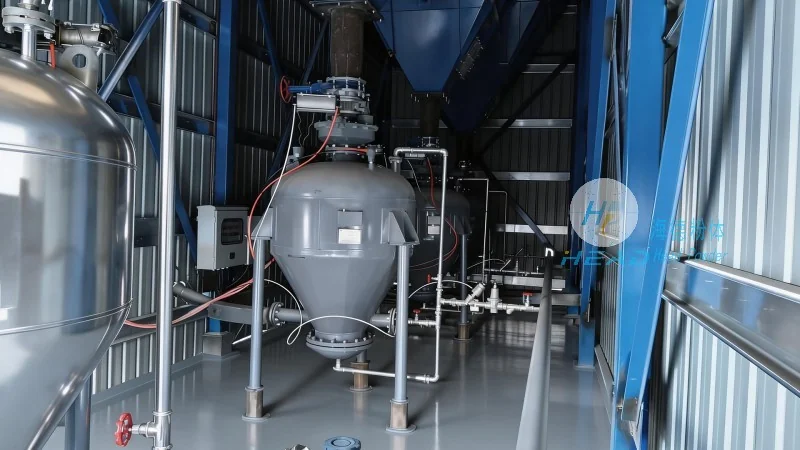
Mineral powder pneumatic conveying lines consist of several essential components that work in harmony to achieve efficient material transport. These include the material feed hopper, air compressor or vacuum pump, conveying pipeline, separation equipment (such as cyclones or filters), and the receiving container. Each component is carefully designed to handle the specific characteristics of the mineral powder, such as particle size, moisture content, and abrasiveness. headpowder’s systems incorporate advanced features like adjustable air flow control, automatic shut-off valves, and real-time monitoring systems, which enhance operational safety and efficiency. The company also offers customized solutions, allowing clients to tailor the system to their specific requirements, whether it’s for mining, chemical processing, or food processing industries.
Applications and Industry Benefits
Mineral powder pneumatic conveying lines find extensive applications across various industries, including mining, chemical manufacturing, food processing, and pharmaceuticals. In the mining industry, these systems are used to transport ore from processing plants to storage facilities or for further processing. In chemical plants, they facilitate the transfer of raw materials and finished products, ensuring a continuous production flow. The benefits of using pneumatic conveying systems include reduced labor costs, minimized material loss, improved safety by eliminating manual handling, and enhanced product quality by preventing contamination. headpowder’s systems are designed to meet the stringent requirements of these industries, providing reliable and efficient solutions that contribute to increased productivity and cost savings.
Quality Assurance and After-Sales Support
At headpowder, quality is a top priority. The company adheres to international standards and employs a rigorous quality control process throughout the manufacturing and assembly stages. Every component is inspected for durability and performance, ensuring that the final product meets the highest industry benchmarks. headpowder also provides comprehensive after-sales support, including installation, maintenance, and technical assistance. The company’s experienced team of engineers and technicians offers prompt and effective solutions to any issues that may arise, ensuring that clients can rely on their pneumatic conveying systems for long-term operation. With a strong commitment to customer satisfaction, headpowder aims to build long-term partnerships with its clients, delivering value and reliability in every project.