

What is a Bag Breaker Material Handling System? And What Are Its Design Principles?
Bag breaker material handling systems represent a critical component in modern industrial operations, particularly in sectors dealing with bulk materials packaged in bags. These systems are engineered to efficiently break open bags and transfer the contents to subsequent processing or storage stages. The primary goal of such systems is to streamline material handling processes, reduce manual labor, and enhance overall operational efficiency. Understanding the functionality and design principles of bag breaker systems is essential for industries aiming to optimize their material flow and improve productivity.
Key Components and Their Functions
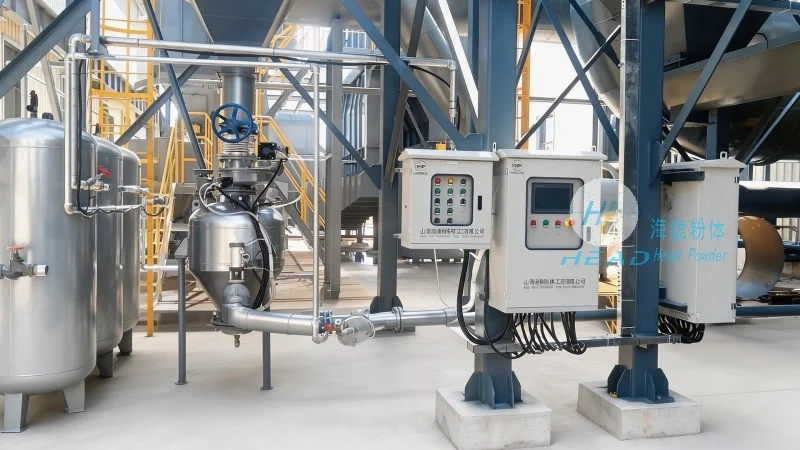
The effectiveness of a bag breaker material handling system relies on its integrated components, each serving a specific purpose in the material handling process. The bag opening mechanism is the first critical component, responsible for breaking the bag's seal and releasing the material. This mechanism can vary in design, such as mechanical cutting, tearing, or pneumatic bursting, depending on the bag material and the material's characteristics. The conveyor system, typically a belt or screw conveyor, transports the broken material from the bag opening unit to the next processing stage. This component must be designed to handle the material's bulk density, flowability, and potential abrasiveness to prevent blockages or equipment damage. The material transfer unit, which may include hoppers, chutes, or rotary valves, directs the flow of material to the appropriate destination, ensuring a smooth and continuous process. Each component must be carefully selected and integrated to achieve optimal performance.
Design Principles for Optimal Performance
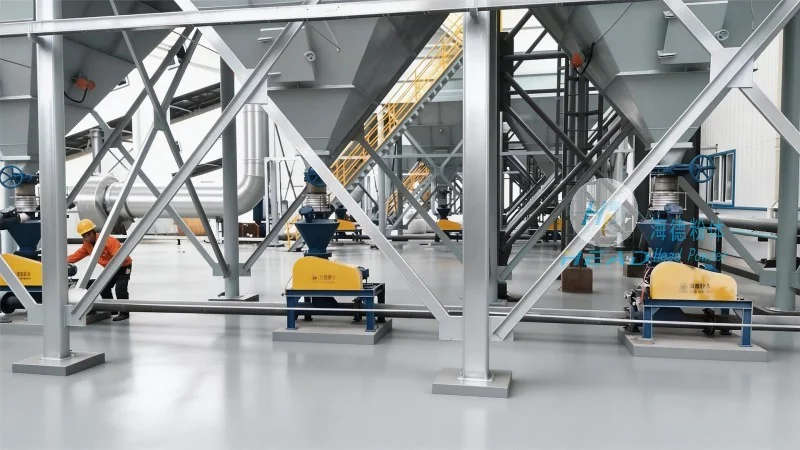
Designing a bag breaker material handling system involves adhering to several key principles to ensure efficiency, reliability, and adaptability. First, the system must be versatile enough to handle a wide range of bag types, sizes, and materials. This flexibility is crucial for industries that process diverse raw materials. Second, the bag opening mechanism should be robust and durable, capable of withstanding repeated use and the mechanical stresses associated with breaking bags. Third, the conveyor system must be designed to handle the material's physical properties, such as moisture content, temperature, and particle size, to prevent material degradation or equipment wear. Fourth, the system should be integrated with other processing equipment to minimize manual intervention and maximize throughput. Additionally, considerations for safety and maintenance are essential, ensuring the system is easy to operate and maintain, reducing downtime and operational costs.
Industry Applications and Use Cases
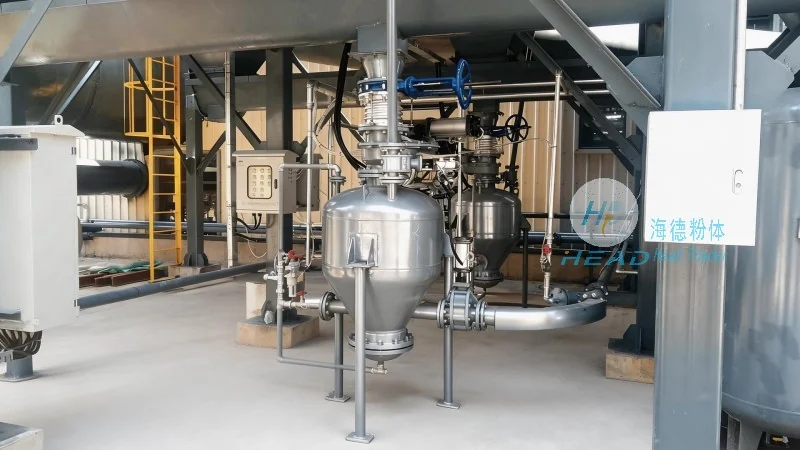
Bag breaker material handling systems find extensive applications across various industries, including food processing, chemical manufacturing, pharmaceuticals, and agriculture. In the food industry, these systems are commonly used to handle raw materials like grains, powders, and spices, ensuring that the material is broken into manageable sizes for further processing, such as grinding or mixing. In chemical manufacturing, they are employed to handle bulk chemicals, which may be hazardous and require careful handling to prevent accidents or contamination. The pharmaceutical industry utilizes bag breaker systems to process raw materials for drug production, where precision and cleanliness are paramount to maintain product quality and safety standards. In agriculture, these systems are used to handle agricultural products like seeds or fertilizers, facilitating efficient storage and distribution. The adaptability of bag breaker systems makes them indispensable in these and other industries where bulk material handling is a key operational requirement.
Advantages of Implementing a Bag Breaker System
Adopting a bag breaker material handling system offers numerous benefits that contribute to improved operational performance and cost savings. Firstly, automation of the bag opening and material transfer process significantly reduces labor costs and minimizes the risk of material spillage or contamination. This not only improves safety in the workplace but also maintains product quality by preventing exposure to external elements. Secondly, the system enhances material flow consistency, ensuring that the processing equipment receives a steady supply of material, which in turn increases production throughput and reduces bottlenecks. Thirdly, the robust design of the system minimizes maintenance requirements, reducing downtime and extending the equipment's lifespan. Finally, the system's ability to handle diverse materials and bag types provides flexibility, allowing industries to adapt to changing production needs without significant modifications.
Customization and Integration by HeadPowder
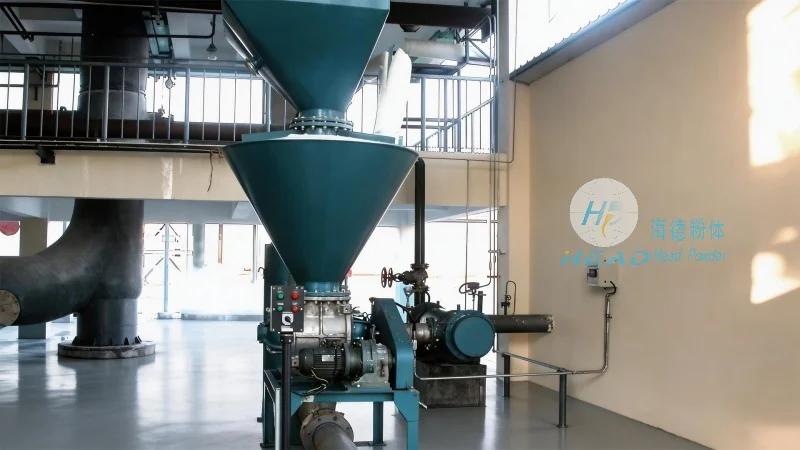
Shandong HeadPowder Engineering Co., Ltd., operating under the brand name HeadPowder, specializes in the design, manufacturing, and supply of customized bag breaker material handling systems. The company is headquartered in Shandong, China, where it leverages advanced engineering and manufacturing capabilities to produce high-quality equipment tailored to client needs. HeadPowder understands that each industrial application has unique requirements, and thus offers flexible solutions that can be integrated seamlessly with existing processing lines. Their expertise in material handling technology allows them to design systems that optimize workflow, reduce operational costs, and enhance overall productivity. The company's commitment to quality and customer satisfaction is reflected in its comprehensive after-sales support and technical assistance, ensuring that clients receive reliable and efficient equipment that meets their specific material handling challenges.