HeadPowder, a leading provider of industrial material handling solutions, specializes in the design, manufacturing, and installation of fine powder pneumatic conveying systems. With headquarters in Shandong, China, the company leverages advanced engineering and decades of industry experience to deliver efficient and reliable systems for transporting fine powders across various industrial applications.
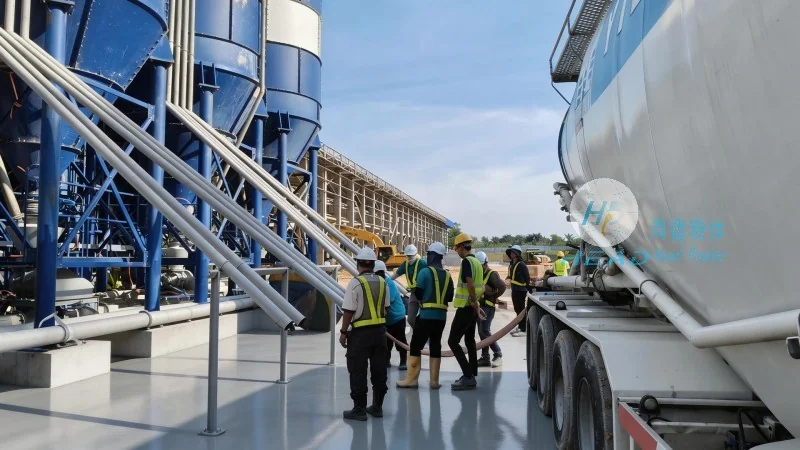
Overview of Fine Powder Pneumatic Conveying Systems
Fine powder pneumatic conveying systems are essential for the safe and efficient transport of dry, fine particulate materials such as powders, granules, and dusts. These systems utilize compressed air or other gases to move material from a source to a destination, eliminating the need for mechanical components like belts or screws that may cause contamination or wear. The technology is widely adopted in industries including pharmaceuticals, food processing, chemicals, and minerals, where maintaining product purity and minimizing material loss are critical.
Key Components of a Fine Powder Pneumatic Conveying System
The core components of a fine powder pneumatic conveying system typically include a material hopper, a feeder, a conveying line, a receiver, and a control system. The material hopper stores the fine powder, while the feeder regulates the flow of material into the conveying line. Compressed air is introduced into the system, creating a flow that transports the powder through the pipeline. The receiver collects the material at the destination, and the control system manages the operation of the entire process, ensuring optimal performance and safety.
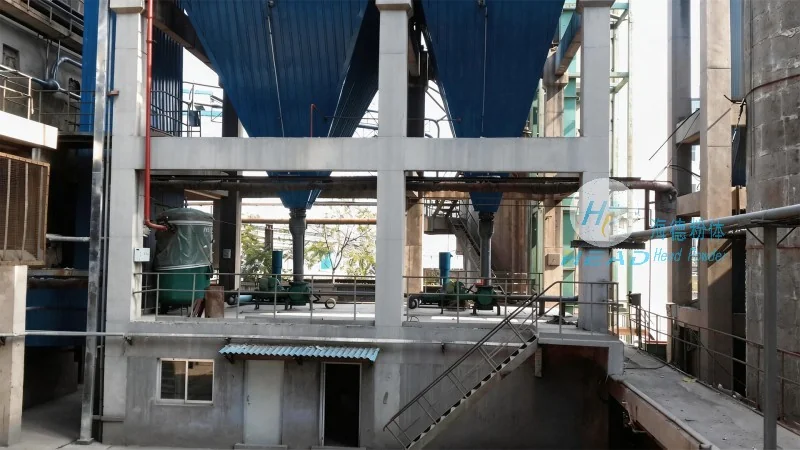
Operation Process of Fine Powder Pneumatic Conveying
The operation of a fine powder pneumatic conveying system involves several sequential steps. First, the fine powder is loaded into the material hopper. The feeder then meters the powder at a controlled rate, ensuring a consistent flow into the conveying line. Compressed air is supplied to the system, and the air flow creates a negative pressure or positive pressure environment depending on the system design. The powder particles are entrained by the air stream and carried through the pipeline to the receiver. At the destination, the air is separated from the powder, and the powder is discharged into the receiver. The control system monitors pressure, flow, and other parameters to maintain stable operation and prevent system failures.
Working Principle of Fine Powder Pneumatic Conveying
The working principle of fine powder pneumatic conveying is based on the principle of fluidization and particle entrainment. Compressed air is introduced into the conveying line, creating a flow that reduces the effective weight of the powder particles. This allows the particles to be suspended and transported by the air stream. The system can operate in either positive pressure or negative pressure modes. In positive pressure systems, air is blown into the conveying line, pushing the powder forward. In negative pressure systems, air is drawn from the conveying line, creating a vacuum that pulls the powder. The choice of system depends on factors such as material properties, distance, and system layout. The efficiency of the system is influenced by factors like air velocity, particle size, and system design, with optimal conditions ensuring minimal material degradation and maximum conveying efficiency.
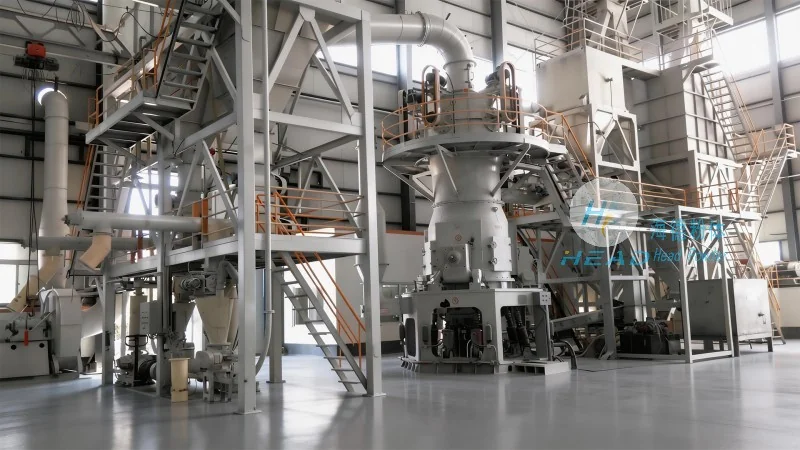
Advantages of Fine Powder Pneumatic Conveying Systems
Fine powder pneumatic conveying systems offer several advantages over traditional mechanical conveying methods. These include the ability to transport materials over long distances without the need for intermediate transfer points, reducing the risk of material contamination and loss. The systems are also highly flexible, allowing for changes in material flow rates and destinations without significant modifications. Additionally, the absence of mechanical components minimizes maintenance requirements and extends the system's service life. The technology is particularly beneficial for transporting sensitive materials, as it prevents exposure to external contaminants and maintains product purity throughout the conveying process.
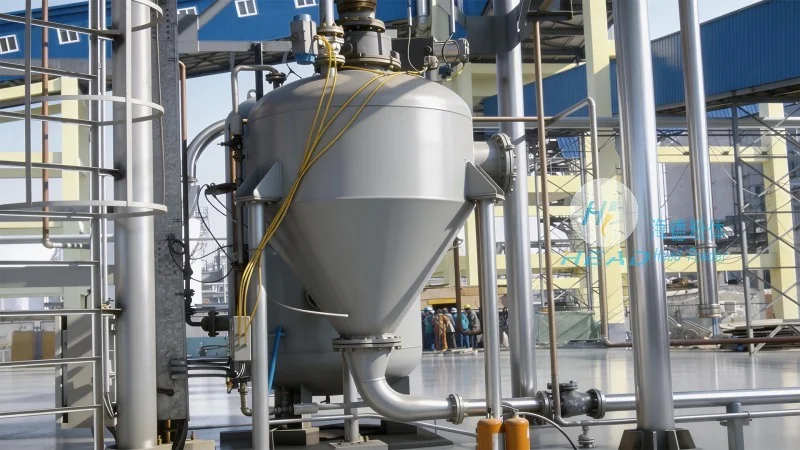
Applications and Industries
Fine powder pneumatic conveying systems are widely used in various industries due to their versatility and efficiency. In the pharmaceutical industry, these systems are used to transport active pharmaceutical ingredients (APIs) and excipients, ensuring that the materials remain sterile and free from contamination. In the food processing industry, they are employed to handle powders such as flour, sugar, and spices, maintaining product quality and safety. The chemical industry utilizes fine powder pneumatic conveying for transporting chemicals, catalysts, and other powders, while the minerals industry uses them for handling ores and other fine particulate materials. The systems are also used in the manufacturing of cosmetics, where maintaining product purity is essential.
Conclusion
HeadPowder's fine powder pneumatic conveying systems represent a reliable and efficient solution for the transport of fine particulate materials. By leveraging advanced engineering and industry expertise, the company ensures that its systems meet the highest standards of performance, safety, and durability. With a focus on customer needs and technological innovation, HeadPowder continues to provide cutting-edge material handling solutions that enhance productivity and maintain product quality across various industrial applications.




