

Principle and Working Scene Characteristics of Negative Pressure Vacuum Material Pneumatic Conveying
HeadPowder, a leading provider of industrial material handling solutions, specializes in the design, manufacturing, and installation of advanced negative pressure vacuum material pneumatic conveying systems. These systems are engineered to efficiently transport bulk materials over long distances with minimal maintenance and operational costs. The company, based in Shandong, China, has established itself as a trusted partner for businesses seeking reliable and efficient material transport solutions.
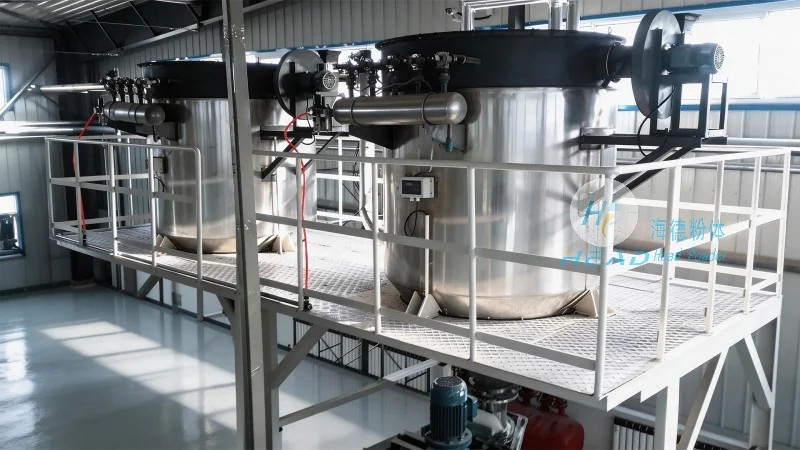
Understanding the Principle of Negative Pressure Vacuum Pneumatic Conveying
The core principle of negative pressure vacuum material pneumatic conveying lies in creating a pressure differential between the material source and the receiving point. By generating a vacuum in the conveying line, the system draws material from the source into the pipeline using air as the conveying medium. This method is particularly effective for handling fine powders, granules, and other dry bulk materials that require gentle handling to prevent degradation or segregation. The vacuum is typically created using a rotary lobe pump or a Roots blower, which draws air from the system and expels it to the atmosphere, maintaining the negative pressure necessary for material transport.
Key Components and Their Functions in the System
A negative pressure vacuum pneumatic conveying line consists of several critical components that work in tandem to ensure efficient operation. The primary components include a vacuum pump, a material feed hopper, a conveying line, a filter system, and a material receiver. The vacuum pump is responsible for creating the negative pressure, while the feed hopper stores the material and feeds it into the conveying line. The conveying line, often made of stainless steel or other corrosion-resistant materials, transports the material from the source to the receiver. The filter system is crucial for capturing any fine particles that may escape the conveying line, ensuring that the exhaust air is clean and meets environmental regulations. The material receiver collects the conveyed material and discharges it into the final storage or processing area.
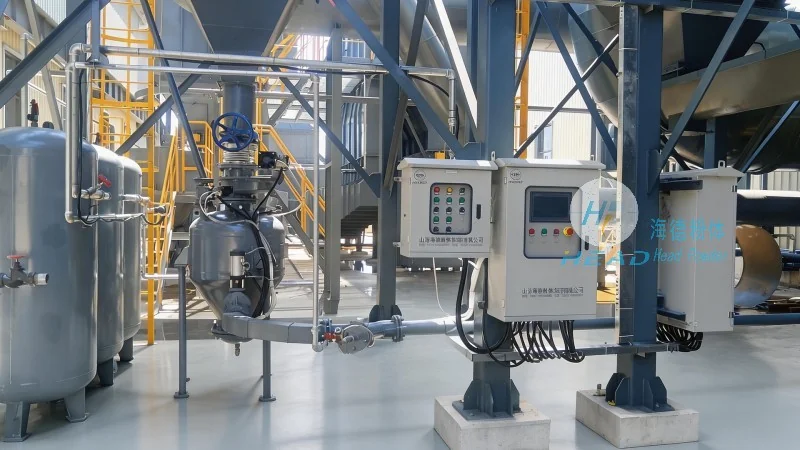
Advantages of Negative Pressure Vacuum Pneumatic Conveying
Compared to positive pressure systems, negative pressure vacuum conveying offers several advantages that make it ideal for specific applications. One of the most significant benefits is the gentle handling of materials, which minimizes product degradation, agglomeration, or segregation. This is particularly important for sensitive materials such as pharmaceuticals, food products, and chemicals that require strict quality control. Additionally, negative pressure systems are more energy-efficient as they only need to overcome the resistance in the conveying line rather than generating high pressure to force material through the system. This results in lower operational costs and reduced energy consumption. Another advantage is the ability to transport materials from multiple sources to a single receiver, as the vacuum can be maintained throughout the entire line, allowing for flexible material routing. The system also provides better safety as the material is contained within the pipeline, reducing the risk of dust exposure or environmental contamination.
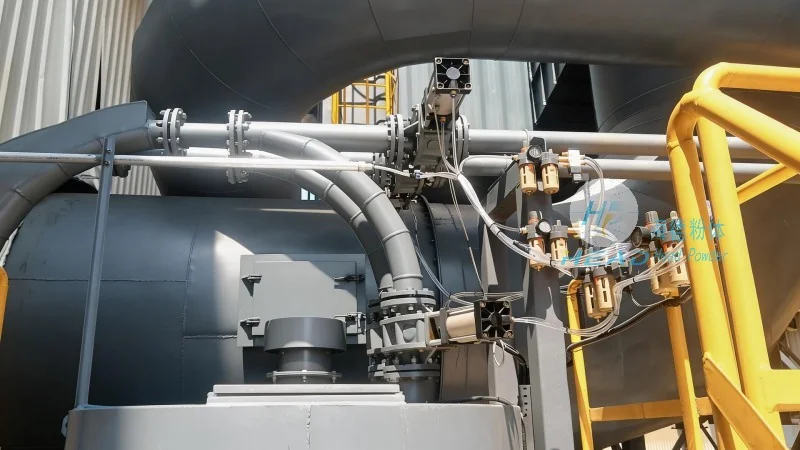
Working Scene Characteristics and Applications
The working scene characteristics of negative pressure vacuum material pneumatic conveying systems are tailored to meet the specific needs of various industries. These systems are commonly used in industries such as pharmaceuticals, food processing, chemical manufacturing, and mining, where the transport of bulk materials requires precision and minimal contamination. In pharmaceutical applications, the system ensures that active ingredients and other sensitive materials are handled with the utmost care, maintaining their purity and efficacy. In food processing, the gentle handling prevents product damage and preserves the quality of ingredients like flour, sugar, and spices. The chemical industry benefits from the system's ability to transport hazardous materials safely, with the vacuum preventing the release of toxic fumes or dust. In mining operations, the system can handle large volumes of ore and other bulk materials over long distances, improving operational efficiency and reducing labor costs.
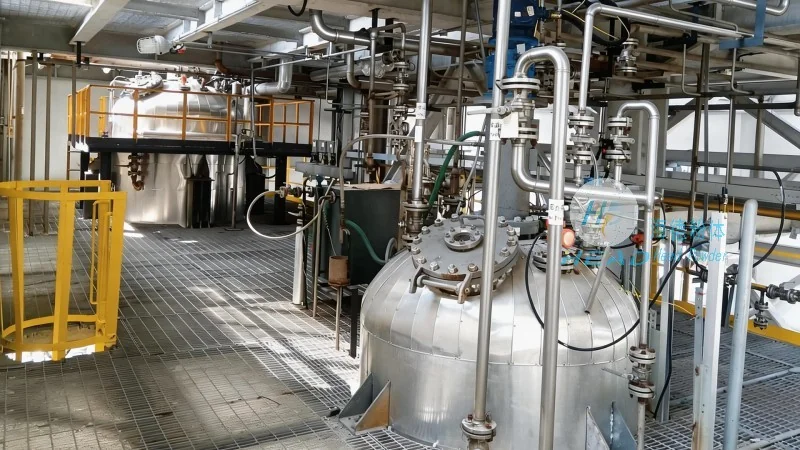
Customization and Scalability for Diverse Needs
HeadPowder understands that each industrial application has unique requirements, and therefore, offers customized negative pressure vacuum pneumatic conveying solutions. The company works closely with clients to assess their specific material characteristics, transport distances, and operational constraints to design a system that meets their exact needs. The systems can be scaled from small laboratory-scale units to large industrial installations, ensuring that they are suitable for both pilot testing and full-scale production. Customization options include varying the material feed hopper size, adjusting the vacuum pump capacity, modifying the conveying line diameter and length, and integrating additional features such as temperature control or material drying systems. This flexibility allows businesses to optimize their material handling processes and achieve maximum efficiency and cost savings.
Maintenance and Operational Considerations
Proper maintenance is essential to ensure the longevity and reliability of negative pressure vacuum material pneumatic conveying systems. Regular maintenance tasks include checking the vacuum pump for wear and tear, inspecting the filter system for clogging or damage, and cleaning the conveying line to prevent material buildup. The filter system is particularly important as it can become clogged with fine particles, reducing the system's efficiency and increasing the load on the vacuum pump. HeadPowder provides comprehensive maintenance services to clients, including scheduled inspections, component replacement, and troubleshooting to minimize downtime and ensure smooth operation. Operational considerations also include monitoring the system's pressure and flow rates to detect any anomalies that may indicate a problem. By following proper maintenance procedures and operational guidelines, businesses can maximize the lifespan of their conveying systems and maintain consistent performance.