

Principle and Application Characteristics of Air-Solid Pneumatic Conveying Equipment for Moisture-Co
HeadPowder, a leading engineering firm based in Shandong, China, specializes in the design and manufacturing of advanced air-solid pneumatic conveying systems tailored for handling moisture-containing ammonium nitrate materials. This article delves into the fundamental principles of such equipment, alongside an exploration of its key working scenarios and application characteristics, providing a comprehensive overview for industry professionals seeking efficient material handling solutions.
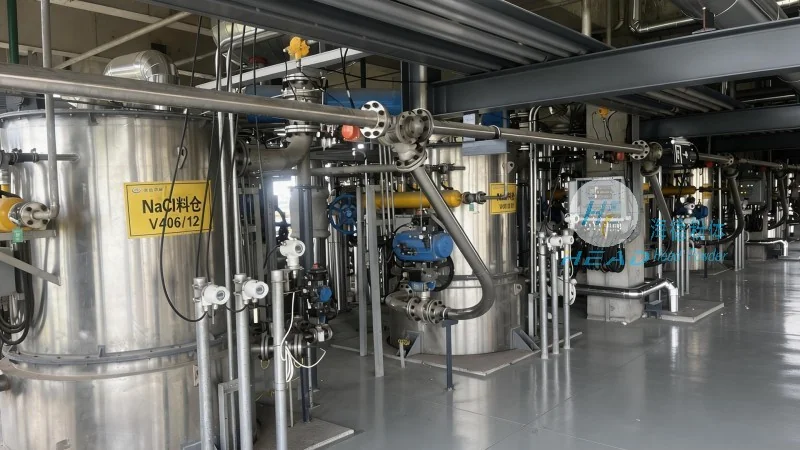
Introduction to Air-Solid Pneumatic Conveying Equipment for Moisture-Containing Ammonium Nitrate
HeadPowder Engineering Co., Ltd., headquartered in Shandong, China, has established itself as a trusted provider of specialized pneumatic conveying solutions. The company’s expertise lies in developing equipment capable of safely and efficiently transporting moisture-containing ammonium nitrate, a critical material in various industrial applications. The air-solid pneumatic conveying system is a sophisticated technology that utilizes a combination of air flow and mechanical components to move bulk materials through a pipeline network. This approach offers significant advantages over traditional methods, such as reduced equipment wear, improved material handling flexibility, and enhanced safety in handling potentially hazardous substances like ammonium nitrate.
Core Principle of the Conveying System
The fundamental principle of air-solid pneumatic conveying for moisture-containing ammonium nitrate involves the creation of a fluidized or suspended state of the material within a pipeline, driven by a controlled airflow. The system typically comprises a material hopper, a rotary feeder, a venturi or pressure drop device, and a receiver or discharge unit. The rotary feeder ensures a consistent and controlled discharge of the ammonium nitrate from the hopper, while the venturi or pressure drop device generates the necessary pressure differential to propel the material along the pipeline. The airflow, often supplied by a blower or fan, carries the ammonium nitrate particles through the system, maintaining their suspended state until they are discharged into the receiver. This process minimizes material degradation and ensures a smooth, continuous flow, even when dealing with materials that have moisture content, which can affect traditional handling methods.
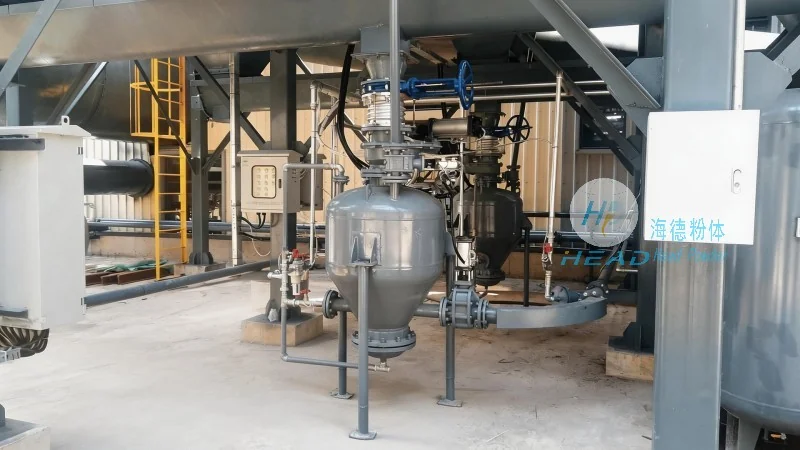
Key Working Scenarios and Application Characteristics
The air-solid pneumatic conveying equipment from HeadPowder is designed to operate effectively in diverse industrial settings, including fertilizer production, chemical processing, and material handling in mining operations. A primary application scenario involves the transfer of ammonium nitrate from storage silos to processing units, where the equipment’s ability to handle moisture content is crucial. For instance, in fertilizer manufacturing plants, the system can efficiently convey wet ammonium nitrate from a storage silo to a granulation or mixing unit, ensuring minimal material loss and contamination. Another key scenario is the transport of ammonium nitrate between different processing stages, such as from a drying unit to a packaging line, where the equipment’s flexibility in handling varying moisture levels is advantageous. The system’s design also accommodates different pipeline configurations, including horizontal, vertical, and inclined runs, making it suitable for complex layouts in industrial facilities. Furthermore, the equipment’s ability to maintain material integrity and prevent clogging, even with moisture-containing ammonium nitrate, makes it a preferred choice for applications where material quality and process efficiency are paramount.
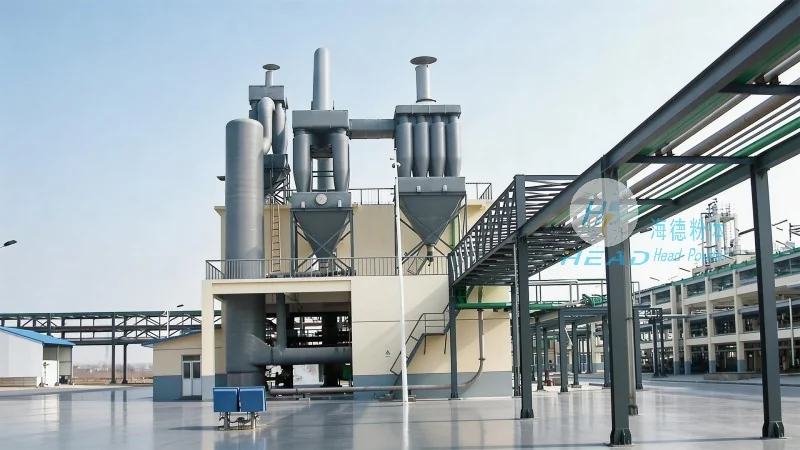
Technical Advantages and Practical Implementation Considerations
HeadPowder’s air-solid pneumatic conveying equipment offers several technical advantages that enhance its performance and reliability. One of the primary benefits is the reduction in mechanical wear and tear, as the material is conveyed through a pipeline rather than on conveyor belts or in hoppers, which can cause abrasion and degradation. This results in lower maintenance costs and longer equipment lifespan. Additionally, the system provides excellent control over material flow rates, allowing for precise dosing and integration with downstream processes. The use of air as the conveying medium also enables the equipment to handle materials with varying moisture content without the need for additional drying or conditioning steps, which can be costly and time-consuming. Practical implementation considerations include the selection of appropriate air flow rates and pressure levels to ensure efficient material transport, as well as the proper sizing of the pipeline and components to prevent blockages or excessive energy consumption. The equipment is also designed with safety features, such as pressure relief valves and explosion-proof components, to mitigate risks associated with handling ammonium nitrate, a potentially hazardous material. Furthermore, HeadPowder provides comprehensive support, including system design, installation, and maintenance services, to ensure optimal performance and compliance with industry standards.
Conclusion and Company Profile
HeadPowder Engineering Co., Ltd., based in Shandong, China, has demonstrated its expertise in developing and manufacturing advanced air-solid pneumatic conveying equipment for moisture-containing ammonium nitrate materials. The company’s systems are designed to meet the demanding requirements of industrial applications, offering efficient, reliable, and safe material handling solutions. By leveraging the core principles of pneumatic conveying and incorporating specialized features for handling moisture content, HeadPowder’s equipment provides significant advantages over traditional methods, enhancing process efficiency and reducing operational costs. As a leading provider in the field, HeadPowder continues to innovate and adapt its solutions to meet the evolving needs of the industry, ensuring that its customers can achieve optimal performance and compliance with safety and quality standards.