

What is a Urea Pneumatic Conveyor? Exploring Its Design Principles
Urea, a critical fertilizer and industrial chemical, requires efficient and reliable transportation systems to ensure smooth supply chains. Among the various methods available, the urea pneumatic conveyor stands out as a sophisticated solution that combines technology and engineering to handle this essential material with precision. This article delves into the concept of a urea pneumatic conveyor, outlining its fundamental design principles and the key factors that make it an optimal choice for industrial applications.
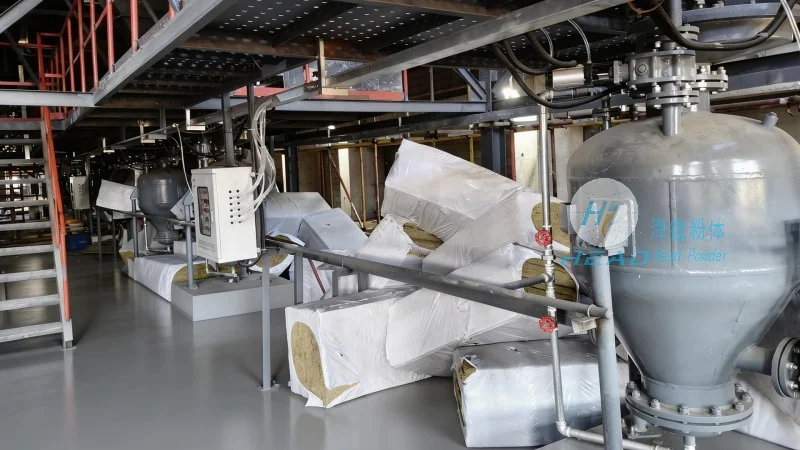
Understanding the Urea Pneumatic Conveyor: A Brief Overview
The urea pneumatic conveyor is a type of pneumatic conveying system specifically engineered to transport urea, a white crystalline solid, from one location to another. Unlike traditional mechanical conveyors, which rely on belts or screws, this system utilizes compressed air or other gases to move the material through a pipeline. The primary advantage of this approach lies in its ability to handle delicate materials like urea without causing damage, ensuring the integrity of the product throughout the process.
Core Design Principles of Urea Pneumatic Conveyors
The design of a urea pneumatic conveyor is built on several critical principles that ensure its effectiveness and efficiency. First, the system must maintain a consistent flow of material by controlling the air pressure and velocity within the pipeline. This is achieved through the use of specialized components such as airlocks, feeders, and cyclones, which regulate the movement of urea and prevent blockages or clogging. Second, the system is designed to minimize friction and wear on the urea particles, as excessive friction can lead to degradation or clumping. This is accomplished by using smooth, corrosion-resistant materials for the pipeline and components, such as stainless steel or high-density polyethylene.
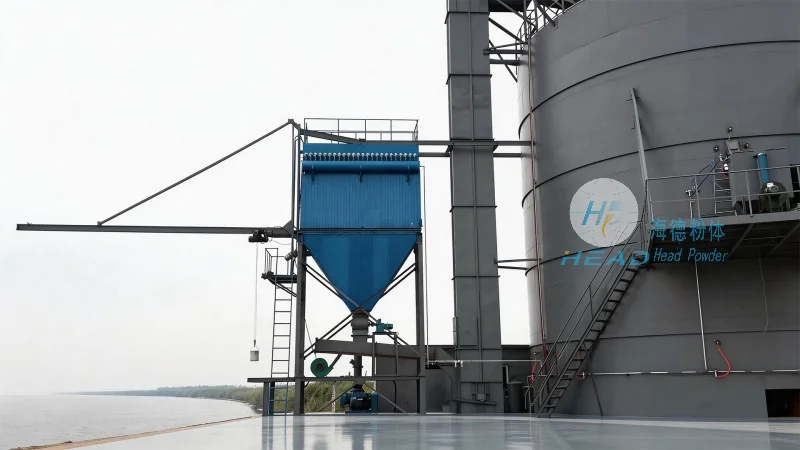
The Role of Compressed Air in Urea Pneumatic Conveying
Compressed air serves as the driving force behind the urea pneumatic conveyor. The air is introduced into the pipeline at a controlled pressure, typically ranging from 5 to 15 bar, depending on the system's capacity and the distance the material needs to travel. The air velocity is carefully managed to ensure that the urea particles are fully suspended and transported without settling or causing pressure drops. This requires precise control of the air flow rate, which is achieved through the use of variable speed drives and pressure regulators. The design also incorporates features to minimize energy consumption, such as using energy-efficient motors and optimizing the air pressure to match the system's requirements.
Key Components and Their Functions
A urea pneumatic conveyor consists of several interconnected components, each playing a vital role in the overall operation. The feed hopper is the starting point, where urea is loaded and fed into the system. The airlock, positioned at the hopper's outlet, prevents the air from escaping and ensures a steady flow of material into the pipeline. The pipeline itself is a critical component, as it must be able to withstand the pressure and temperature of the system while maintaining the integrity of the urea. The cyclone separator, located at the end of the pipeline, separates the urea from the air by using centrifugal force, allowing the air to be recycled and the urea to be collected in a storage bin or silo.
Advantages of Using a Urea Pneumatic Conveyor
Compared to traditional mechanical conveyors, the urea pneumatic conveyor offers several advantages that make it a preferred choice for many industries. First, it is highly efficient in terms of energy consumption, as it uses compressed air to move the material rather than mechanical power. This results in lower operating costs and reduced energy consumption. Second, the system is more flexible and adaptable, as it can be easily modified to handle different quantities of urea or to transport the material over longer distances. Third, it is more hygienic and clean, as the material is contained within the pipeline and does not come into contact with external surfaces. This is particularly important for food and pharmaceutical industries, where product purity is paramount.
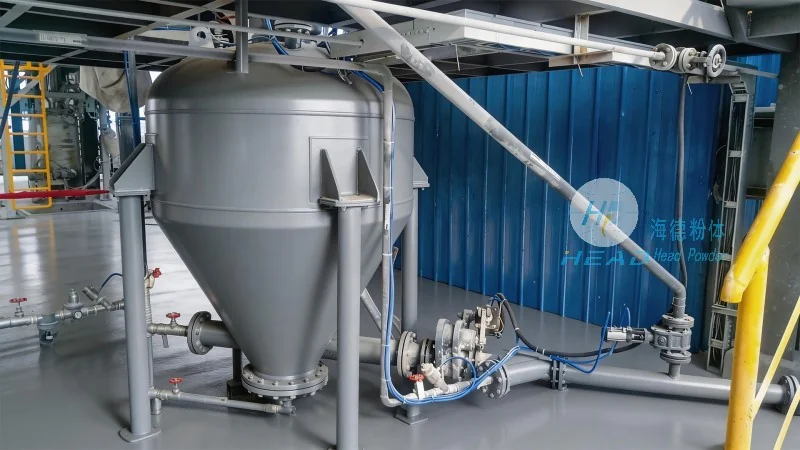
Applications and Industries That Benefit from Urea Pneumatic Conveyors
The urea pneumatic conveyor is widely used in various industries that rely on the efficient transportation of urea. In the agricultural sector, it is used to transport urea from storage facilities to farms or processing plants. In the chemical industry, it is used to move urea between production units or to transport it to other facilities. The system is also used in the manufacturing of fertilizers, where urea is a key component. Additionally, it is used in the food industry for the transportation of urea-based products, such as urea-based adhesives or coatings.
Conclusion: The Importance of Urea Pneumatic Conveyors
In conclusion, the urea pneumatic conveyor is a sophisticated and efficient system that plays a crucial role in the transportation of urea. Its design principles, which focus on maintaining consistent flow, minimizing friction, and using compressed air as the driving force, ensure that the material is transported safely and effectively. The system's advantages, including energy efficiency, flexibility, and hygiene, make it an ideal choice for many industries. As the demand for urea continues to grow, the urea pneumatic conveyor will remain a vital component in ensuring the smooth operation of supply chains and the efficient production of urea-based products.