

What is a HeadPowder Pneumatic Conveyor? What Are Its Design Principles?
HeadPowder, as a professional manufacturer in the field of pneumatic conveying systems, provides comprehensive solutions for material handling and transportation. This article aims to introduce the concept of a pneumatic conveyor and explain its fundamental design principles, helping potential users understand the technology and its applications.
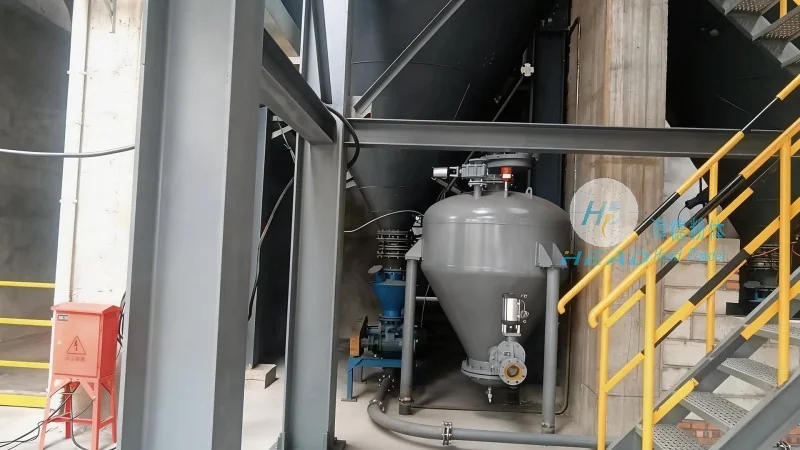
Understanding Pneumatic Conveying Systems
A pneumatic conveyor, also known as a pneumatic conveying system, is a device that uses compressed air or other gases to transport bulk materials from one location to another. Unlike traditional mechanical conveyors, which rely on gravity or mechanical components like belts or chains, pneumatic conveyors utilize air pressure to move materials through a pipeline. This method is particularly effective for handling fine powders, granules, and other dry bulk materials, offering advantages such as low maintenance, flexibility in layout, and the ability to transport materials over long distances without the need for multiple transfer points.
Key Components of a Pneumatic Conveyor
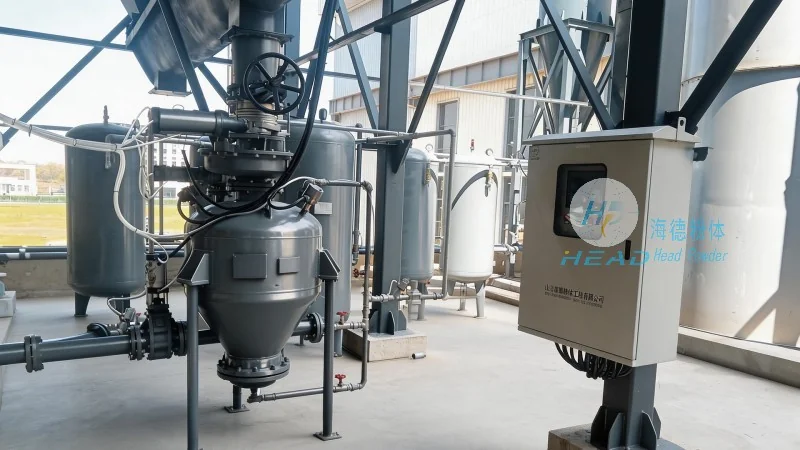
The design of a pneumatic conveyor typically involves several key components that work together to ensure efficient material transport. The main components include a hopper or feeder to store and feed the material, a compressor or air source to generate the necessary air pressure, a pipeline system to guide the material and air flow, and a receiver or discharge unit to collect the conveyed material. Each component plays a critical role in the overall performance and efficiency of the system.
The Working Principle of Pneumatic Conveying
The fundamental principle behind pneumatic conveying is the use of air pressure to create a flow of material within the pipeline. When the material is introduced into the hopper, it is drawn into the pipeline by the moving air stream. The air pressure and velocity are carefully controlled to ensure that the material is transported without clogging or degradation. There are two main types of pneumatic conveying systems: pressure and vacuum systems. Pressure systems use compressed air to push the material forward, while vacuum systems use a vacuum to pull the material into the pipeline. The choice between these systems depends on the specific application, material characteristics, and distance to be covered.
Design Considerations for Pneumatic Conveyors
Designing an effective pneumatic conveyor requires careful consideration of several factors to ensure optimal performance and reliability. The first consideration is the material being conveyed, as different materials have different flow properties and may require different air velocities and pressures. For example, fine powders may require higher air velocities to prevent clogging, while larger granules may need lower velocities to maintain stability. Another important factor is the distance and layout of the conveying system, as the length and number of bends in the pipeline can affect the air pressure and material flow. Additionally, the choice of air source and compressor size is critical, as insufficient air pressure can lead to poor material transport, while excessive pressure can cause wear and tear on the system components.
Applications of Pneumatic Conveyors
Pneumatic conveyors are widely used in various industries for the transportation of bulk materials. In the food and pharmaceutical industries, they are used to transport ingredients and finished products due to their ability to maintain product purity and prevent contamination. In the chemical and petrochemical industries, they are used to transport powders and granules that may be hazardous or difficult to handle manually. In the agricultural and food processing industries, they are used to transport grains, seeds, and other agricultural products. The flexibility and versatility of pneumatic conveyors make them suitable for a wide range of applications, from small-scale operations to large industrial facilities.
Advantages of Using Pneumatic Conveyors
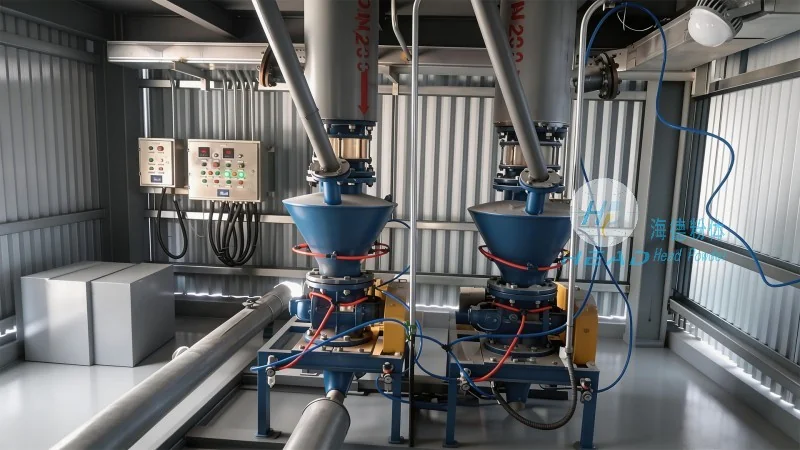
Compared to traditional mechanical conveyors, pneumatic conveyors offer several advantages that make them a preferred choice for many applications. One of the main advantages is their low maintenance requirements, as they have fewer moving parts and are less prone to wear and tear. This results in lower operational costs and reduced downtime. Another advantage is their flexibility in layout, as they can be installed in a variety of configurations to suit the specific needs of the facility. Pneumatic conveyors also offer better control over the material flow, allowing for precise dosing and regulation of the conveyed material. Additionally, they can handle a wide range of materials, from fine powders to large granules, making them a versatile solution for material handling.
Conclusion
HeadPowder, with its expertise in pneumatic conveying systems, provides high-quality and reliable solutions for material transportation. By understanding the design principles and components of a pneumatic conveyor, users can make informed decisions about their material handling needs. Whether for industrial, commercial, or agricultural applications, pneumatic conveyors offer an efficient and effective way to transport bulk materials. With proper design and maintenance, these systems can provide long-term performance and reliability, making them a valuable investment for any facility.