For industrial applications involving the handling of manganese carbonate, the choice of equipment is critical to ensure efficiency, safety, and cost-effectiveness. One such solution is the manganese carbonate pneumatic conveyor, a system designed to transport this specific material through an air-driven process. This article explores what a manganese carbonate pneumatic conveyor is and delves into its fundamental design principles, providing insights into how this technology operates and its advantages in material handling.
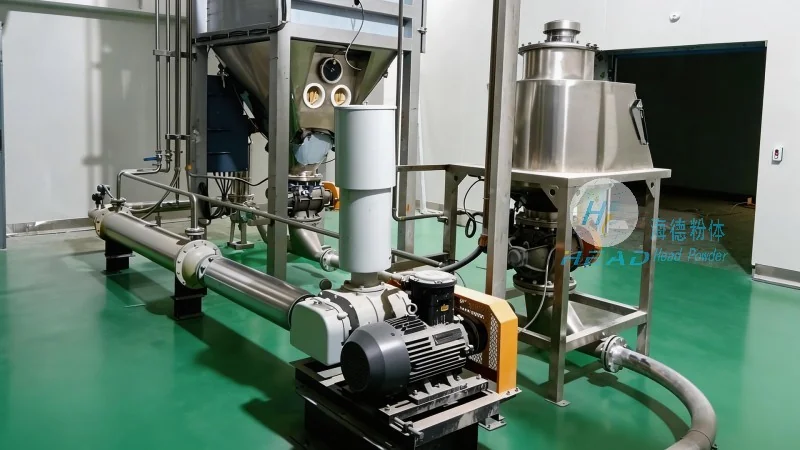
Company Overview: HeadPowder Engineering
HeadPowder Engineering, a leading manufacturer based in Shandong, China, specializes in the design and production of advanced material handling equipment. With a strong commitment to quality and innovation, the company has established itself as a trusted partner in the industry, providing tailored solutions for various bulk material transport needs. The expertise of HeadPowder Engineering is reflected in the development of reliable pneumatic conveyor systems, including those specifically engineered for handling manganese carbonate.
What Is a Manganese Carbonate Pneumatic Conveyor?
A manganese carbonate pneumatic conveyor is a type of air-powered system used to transport manganese carbonate, a chemical compound often used in industrial processes such as battery manufacturing, steel production, and chemical synthesis. Unlike traditional mechanical conveyors, this system utilizes compressed air to move the material through a pipeline, eliminating the need for mechanical components like belts or chains. The primary components of this conveyor include a hopper for material storage, an air compressor to generate the necessary airflow, a pipeline network for material transport, and a discharge unit for material release. The entire system operates by creating a pressure differential that propels the material through the pipeline, making it an efficient and flexible solution for moving manganese carbonate in various industrial settings.
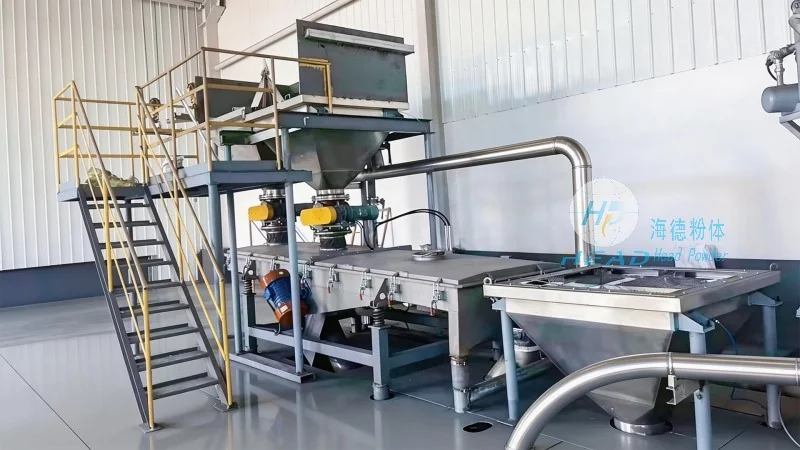
Key Features and Benefits of Manganese Carbonate Pneumatic Conveyors
When considering the use of a manganese carbonate pneumatic conveyor, several key features and benefits stand out. First, the system offers a dust-free and enclosed transport process, which is crucial for maintaining a clean and safe working environment, especially when handling materials that may generate dust or pose health risks. Second, the air-driven mechanism allows for gentle handling of the material, preventing damage to the manganese carbonate particles and preserving their quality. Third, the flexibility of the pipeline network enables easy integration with existing industrial setups, allowing for customized layouts to suit specific production requirements. Additionally, the system is energy-efficient compared to traditional mechanical conveyors, as it minimizes friction and mechanical wear, leading to lower operational costs over time. These features make the manganese carbonate pneumatic conveyor an attractive option for industries seeking reliable and efficient material handling solutions.
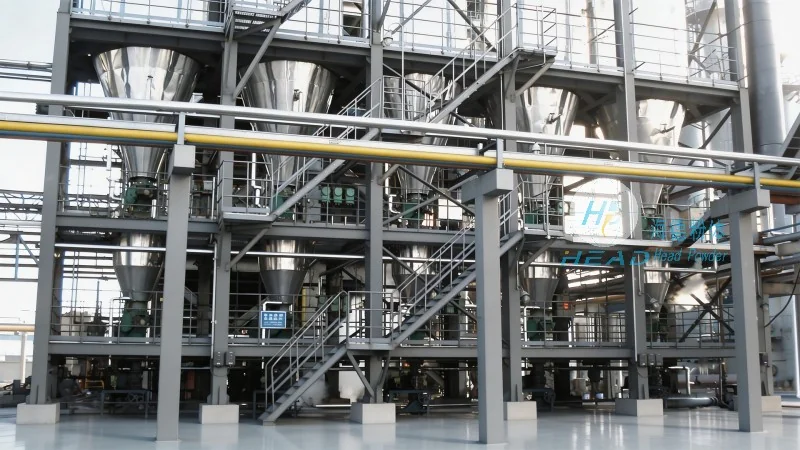
Design Principles of Manganese Carbonate Pneumatic Conveyors
The design of a manganese carbonate pneumatic conveyor is based on several core principles that ensure optimal performance and reliability. The first principle is the selection of appropriate air pressure and flow rates, which must be carefully calculated to match the material's properties and the required transport distance. The system's design considers factors such as the particle size, density, and moisture content of the manganese carbonate, as these characteristics influence the air velocity needed to move the material effectively. The second principle involves the use of a suitable pipeline diameter and material, which must be able to withstand the pressure and abrasiveness of the material being transported. Stainless steel or other corrosion-resistant materials are often used for the pipeline to prevent wear and maintain the integrity of the system. The third principle is the incorporation of a hopper and feeding mechanism that ensures a consistent and controlled flow of material into the pipeline, preventing blockages and ensuring smooth operation. The discharge unit is also designed to handle the material gently, minimizing the risk of spillage or damage. These design principles work together to create a robust and efficient system that can handle the unique challenges of transporting manganese carbonate.
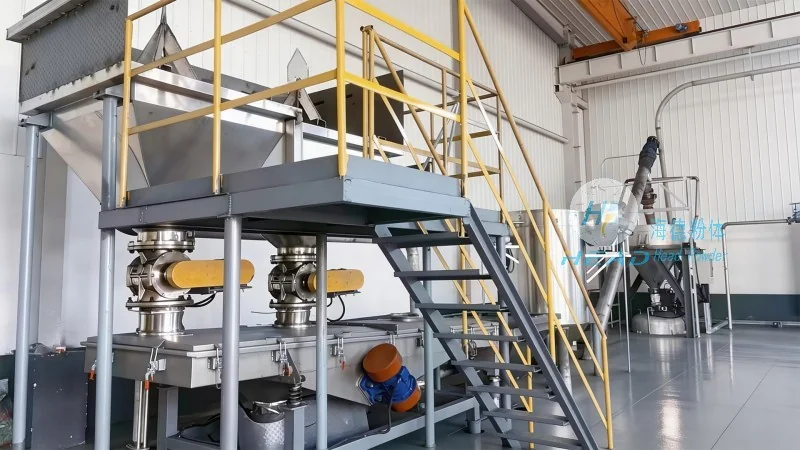
Applications and Industries Using Manganese Carbonate Pneumatic Conveyors
Manganese carbonate pneumatic conveyors are widely used in various industries where the handling of this material is essential. In the battery manufacturing industry, for example, manganese carbonate is a key component in the production of lithium-ion batteries, and the pneumatic conveyor ensures that this material is transported safely and efficiently to the production lines. In the steel industry, manganese carbonate is used as a flux in the smelting process, and the conveyor system facilitates its transport from storage to the furnace. Additionally, in the chemical industry, manganese carbonate is used in the synthesis of various compounds, and the pneumatic conveyor provides a reliable method for moving the material through the production process. The versatility of the system makes it suitable for a range of applications, from small-scale operations to large industrial facilities.
Conclusion: The Importance of Manganese Carbonate Pneumatic Conveyors
In conclusion, the manganese carbonate pneumatic conveyor is a sophisticated and efficient solution for handling this important material. By leveraging air-driven technology, the system offers numerous advantages over traditional mechanical conveyors, including improved safety, reduced maintenance, and enhanced material quality. The design principles behind this equipment ensure that it can effectively transport manganese carbonate in various industrial settings, meeting the demands of modern production processes. As industries continue to seek more reliable and cost-effective material handling solutions, the manganese carbonate pneumatic conveyor remains a valuable asset, providing a sustainable and efficient method for moving this critical material. With the expertise of companies like HeadPowder Engineering, the development and implementation of such systems continue to advance, ensuring that industries can meet their material handling needs with precision and reliability.




