

Principle and Working Scene Characteristics of Mobile Material Pneumatic Conveying Systems
HeadPowder, a leading manufacturer based in Shandong, China, specializes in the design and production of advanced mobile material pneumatic conveying systems. These systems represent a sophisticated solution for efficient material handling in various industrial applications, combining the principles of pneumatic transport with the mobility of a vehicle platform.
Understanding the Core Principle of Mobile Pneumatic Conveying Systems
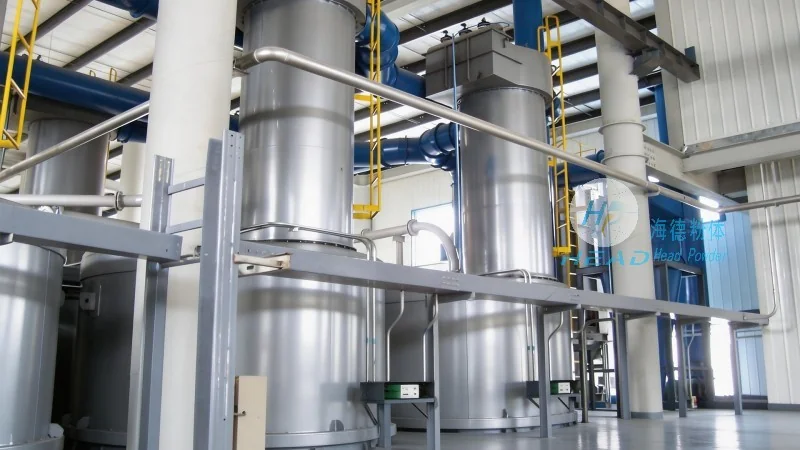
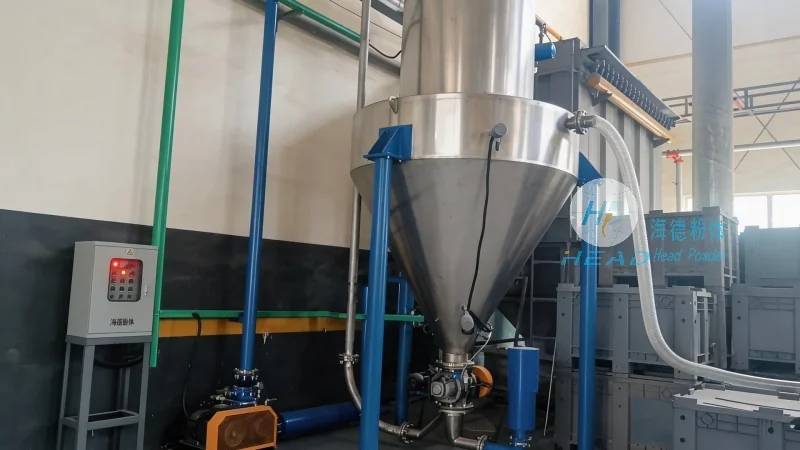
The fundamental principle behind mobile material pneumatic conveying systems is the use of compressed air or other gases to transport bulk materials from a source to a destination. Unlike traditional conveyor systems that rely on mechanical components like belts or rollers, pneumatic conveyors utilize air pressure to move materials through a network of pipes. In a mobile setup, this system is integrated into a vehicle, allowing for flexible and on-site material handling. The process typically involves feeding material into a hopper, which then transfers the material into a conveying line under pressure. The air flow, controlled by a blower or compressor, propels the material particles through the pipeline, ensuring efficient transport even over varying distances and elevations.
Key Working Scene Characteristics and Applications
Mobile material pneumatic conveying systems are particularly well-suited for scenarios where traditional fixed conveyors are impractical or uneconomical. For instance, in construction sites, mining operations, or agricultural settings, these systems offer the flexibility to handle materials at different locations without the need for extensive infrastructure. The mobility aspect allows operators to position the vehicle near the material source or processing point, minimizing transport time and labor costs. Additionally, the systems are designed to handle a wide range of materials, including powders, granules, and even bulk solids, making them versatile for diverse industrial needs. The working scene characteristics also highlight the system's ability to operate in challenging environments, such as remote or off-road locations, where access to power and infrastructure may be limited. This adaptability makes mobile pneumatic conveying an ideal solution for temporary or mobile operations, ensuring consistent material flow and productivity.
Technical Advantages and Operational Efficiency
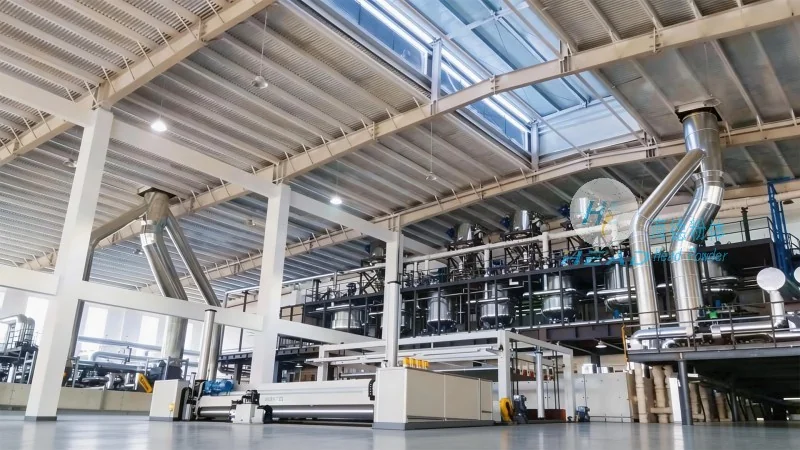
One of the primary advantages of mobile material pneumatic conveying systems is their ability to enhance operational efficiency. By eliminating the need for fixed conveyor lines, these systems reduce installation time and costs, as they can be deployed quickly and repositioned as needed. The compact design of the vehicle-based system also allows for easier maneuverability in confined spaces, which is crucial in construction or maintenance environments. Furthermore, the pneumatic transport method minimizes material degradation compared to mechanical systems, as there is less friction and impact on the material particles. This is particularly important for delicate or sensitive materials, ensuring that the quality of the transported goods is maintained throughout the process. The systems also offer better dust control, as the enclosed pipeline and air filtration systems prevent dust from escaping into the environment, contributing to a safer and more environmentally friendly operation.
Customization and Integration Capabilities
HeadPowder understands that each industrial application has unique requirements, and thus, mobile material pneumatic conveying systems are highly customizable. The company offers tailored solutions that can be integrated with existing equipment or adapted to specific material handling needs. For example, the conveying capacity, pipe diameter, and air pressure can be adjusted to match the volume and type of materials being transported. Additionally, the systems can be equipped with advanced control systems, allowing for real-time monitoring and adjustment of the conveying process. This integration capability ensures that the mobile pneumatic conveying system not only meets but exceeds the operational demands of the user, providing a reliable and efficient material handling solution.
Conclusion and Industry Impact
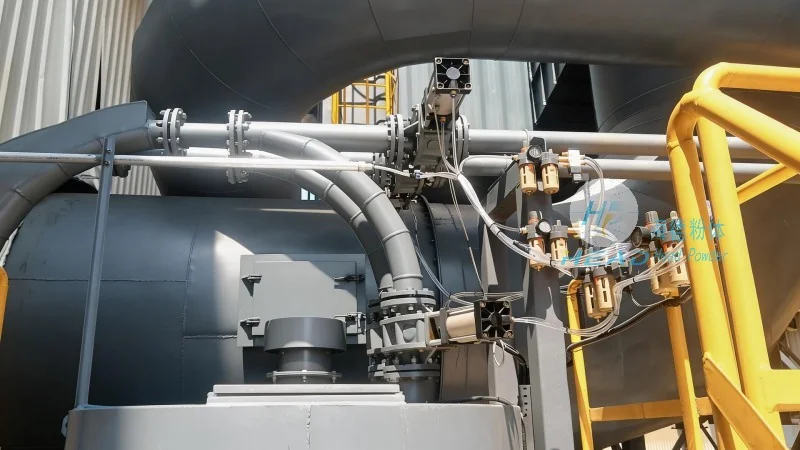
In conclusion, mobile material pneumatic conveying systems represent a significant advancement in material handling technology, offering a blend of efficiency, flexibility, and adaptability. HeadPowder's expertise in designing and manufacturing these systems ensures that industrial users can benefit from a reliable solution that addresses their specific needs. By combining the principles of pneumatic transport with the mobility of a vehicle, these systems provide a cost-effective and efficient method for handling bulk materials in various working scenes. As industries continue to seek innovative solutions for material handling, mobile pneumatic conveying systems remain a valuable asset, contributing to improved productivity and operational effectiveness.