

Principle and Working Scene Characteristics of Tonne Bag Material Pneumatic Conveying Lines
HeadPowder, a leading engineering company based in Shandong, China, specializes in the design, manufacturing, and installation of advanced pneumatic conveying systems for handling tonne bag materials. This article explores the fundamental principles behind these systems and highlights the key working scene characteristics that make them indispensable in various industrial applications.
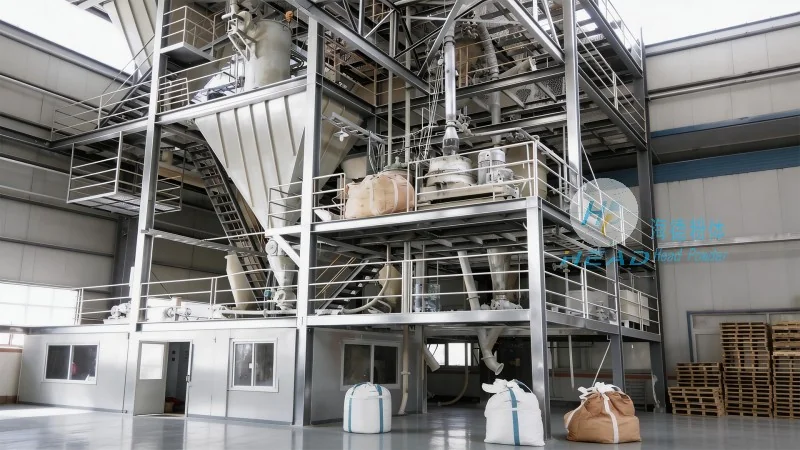
Principle of Pneumatic Conveying for Tonne Bag Materials
The core principle of tonne bag material pneumatic conveying lines is the use of compressed air or other gas to transport bulk materials from a source to a destination. Unlike traditional mechanical conveyors, which rely on physical components like belts or buckets, pneumatic systems utilize air pressure to move materials through a pipeline network. The process typically involves several key components: a hopper to store the tonne bags, a feeder to control the material flow, a conveying line (often equipped with bends and filters), and a receiver to collect the delivered material. The compressed air is introduced at one end of the line, creating a pressure differential that propels the material particles forward. This method is particularly effective for handling dry, free-flowing materials such as powders, granules, and bulk solids, as it minimizes product degradation and contamination.
Working Scene Characteristics of Tonne Bag Material Pneumatic Conveying Systems
The working scene characteristics of these systems are tailored to meet the specific demands of industrial environments. One of the primary advantages is their ability to handle materials in bulk, reducing the need for manual handling and associated labor costs. This is especially beneficial in applications where tonne bags are used as the primary packaging for raw materials, as the system can efficiently transfer the entire contents of a bag without opening or breaking it. Additionally, pneumatic conveying lines are highly flexible in terms of layout, allowing for vertical, horizontal, or mixed-direction transport, which is crucial for optimizing space in facilities with limited floor area. The systems also offer excellent dust control, as the enclosed pipeline design prevents dust from escaping into the environment, ensuring compliance with occupational health and safety regulations. Another key characteristic is their scalability, enabling companies to expand their conveying capacity as production needs grow. This scalability is achieved through modular components that can be easily added or modified to accommodate increased material throughput.
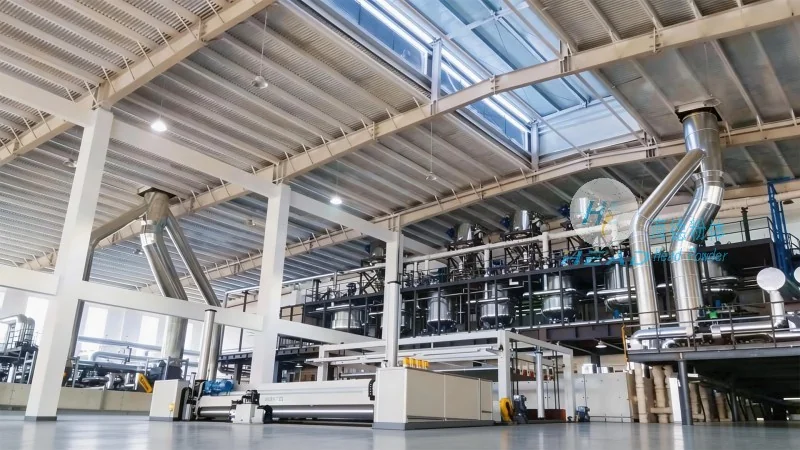
Applications and Industry Use Cases
Tonne bag material pneumatic conveying lines are widely used across various industries, including chemical, pharmaceutical, food processing, and mining. In the chemical industry, they are essential for transporting powders such as pigments, additives, and catalysts, where maintaining product purity is critical. The pharmaceutical sector benefits from the sterile and hygienic design of these systems, which prevents contamination and ensures compliance with regulatory standards. Food processing facilities utilize pneumatic conveying for handling ingredients like flour, sugar, and spices, where maintaining product quality and avoiding cross-contamination is paramount. In the mining industry, these systems are used to transport bulk materials such as ores and minerals from storage areas to processing equipment, improving operational efficiency and reducing downtime.
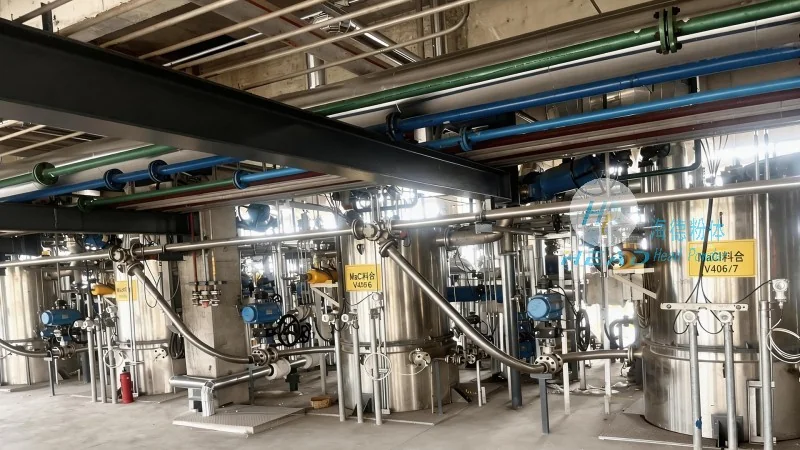
Advantages and Benefits for Industrial Operations
Implementing tonne bag material pneumatic conveying lines offers numerous advantages for industrial operations. The most significant benefit is the reduction in labor costs, as the automated system eliminates the need for manual handling of heavy tonne bags. This not only improves worker safety but also increases productivity by allowing personnel to focus on other critical tasks. Another advantage is the improved material handling efficiency, as the system can transport large volumes of material quickly and reliably. The enclosed design also reduces material loss and waste, as compared to open systems where some material may be spilled or lost during transfer. Furthermore, the flexibility of the system allows for easy integration with existing production lines, minimizing the need for extensive facility modifications. The low maintenance requirements of pneumatic conveying systems also contribute to cost savings, as they have fewer moving parts and require less frequent servicing compared to mechanical conveyors.
Conclusion
HeadPowder Engineering Co., Ltd., based in Shandong, China, provides comprehensive solutions for tonne bag material pneumatic conveying lines, leveraging advanced engineering principles to meet the diverse needs of industrial applications. By understanding the fundamental principles and working scene characteristics of these systems, businesses can optimize their material handling processes, enhance operational efficiency, and ensure compliance with industry standards. The scalability and flexibility of pneumatic conveying systems make them a sustainable choice for modern industrial operations, supporting long-term growth and productivity.