HeadPowder, a leading engineering firm based in Shandong, China, specializes in the design and implementation of advanced pneumatic conveying systems for handling steel sand materials. This article delves into the fundamental principles behind these systems and highlights the key characteristics of their operational environments.
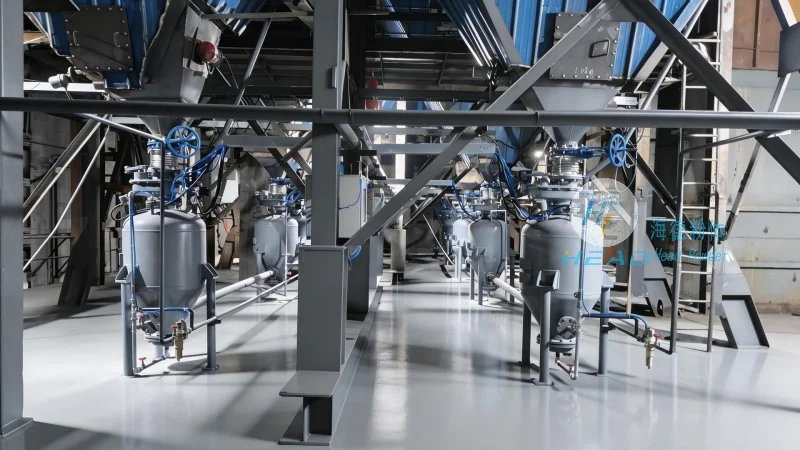
The Core Principle of Pneumatic Conveying for Steel Sand
The primary principle of pneumatic conveying for steel sand involves transporting bulk materials through a pipeline using a pressurized or suction air stream. In a pressurized system, air is forced into the pipeline, creating a positive pressure that propels the steel sand particles forward. Conversely, suction systems use a vacuum to draw the material from the source into the pipeline. The efficiency of this process depends on several factors, including the particle size, density, and moisture content of the steel sand, as well as the air velocity and pressure differential within the system.
Key Components and Their Function in the System
Effective steel sand pneumatic conveying lines typically consist of several critical components. The material feed hopper is responsible for storing and feeding the steel sand into the system, ensuring a consistent flow rate. The conveyor pipeline, often made of durable materials like stainless steel or high-density polyethylene to withstand the abrasive nature of steel sand, forms the main transport path. Air movers, such as blowers or vacuum pumps, generate the necessary pressure or suction to drive the material. Additionally, control valves and regulators are used to adjust the air flow and pressure, maintaining optimal system performance. Dust collection systems are also essential to capture any fine particles and prevent environmental contamination.
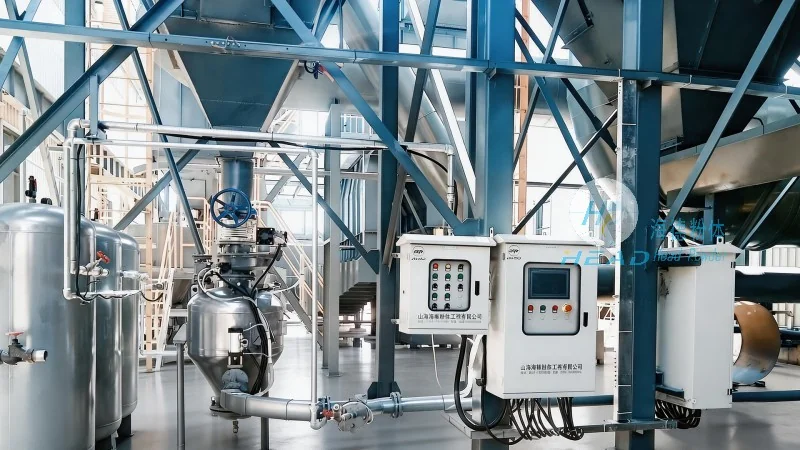
Working Scene Characteristics: Industrial Applications and Operational Environments
The working scene characteristics of steel sand pneumatic conveying lines are shaped by the diverse industrial applications they serve. In foundries and casting operations, these systems are crucial for transporting steel sand from storage silos to molding machines, ensuring a continuous and clean material supply. The high temperature and abrasive conditions in these environments require robust system designs to prevent wear and maintain efficiency. In metalworking and manufacturing facilities, the systems may be used to move steel sand for recycling or reclamation processes, where the material needs to be handled with precision to avoid contamination.
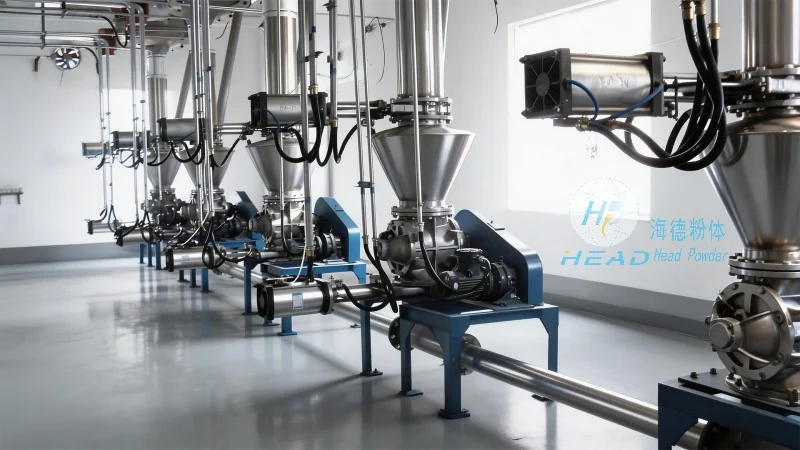
Advantages and Challenges in Operational Scenarios
Operating steel sand pneumatic conveying lines in various industrial settings presents both advantages and challenges. One of the main advantages is the ability to transport materials over long distances without the need for mechanical components like belts or buckets, reducing maintenance costs and increasing operational flexibility. However, the systems are sensitive to changes in material properties, such as variations in particle size or moisture content, which can affect flow rates and system efficiency. Additionally, the high velocity of air in the pipeline can lead to increased energy consumption, and the abrasive nature of steel sand may cause wear on components over time, requiring regular maintenance and replacement.
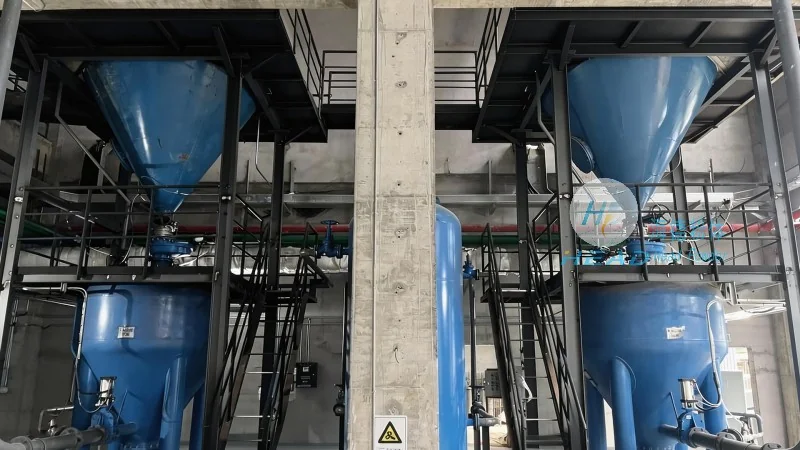
Customization and Adaptation for Diverse Work Environments
HeadPowder recognizes that each industrial environment has unique requirements, and therefore, they offer customized pneumatic conveying solutions tailored to specific work scenes. For example, in high-temperature foundries, the system components are designed with heat-resistant materials to withstand the elevated temperatures. In facilities with limited space, compact and vertical conveying systems are implemented to optimize space utilization. The company also considers factors such as material handling capacity, required transport distances, and environmental regulations when designing the system, ensuring that the final solution meets the client's operational needs while maintaining efficiency and reliability.
Conclusion: Enhancing Operational Efficiency with Advanced Pneumatic Conveying
Steel sand material pneumatic conveying lines, as explained in this article, are essential for efficient material handling in various industrial applications. By understanding the core principles and working scene characteristics, industries can leverage these systems to improve productivity, reduce costs, and enhance safety. HeadPowder, with its expertise in engineering and manufacturing, continues to provide high-quality solutions that meet the diverse needs of its clients, contributing to the advancement of industrial material handling processes.




