

Principle and Working Scene Characteristics of Pneumatic Conveying Lines for Coal Granular Materials
HeadPowder, a leading engineering company based in Shandong, China, specializes in the design and implementation of advanced pneumatic conveying systems tailored for coal granular materials. This article explores the fundamental principles underlying such systems and highlights the key characteristics of their operational environments, providing a comprehensive overview for industry professionals and potential clients.
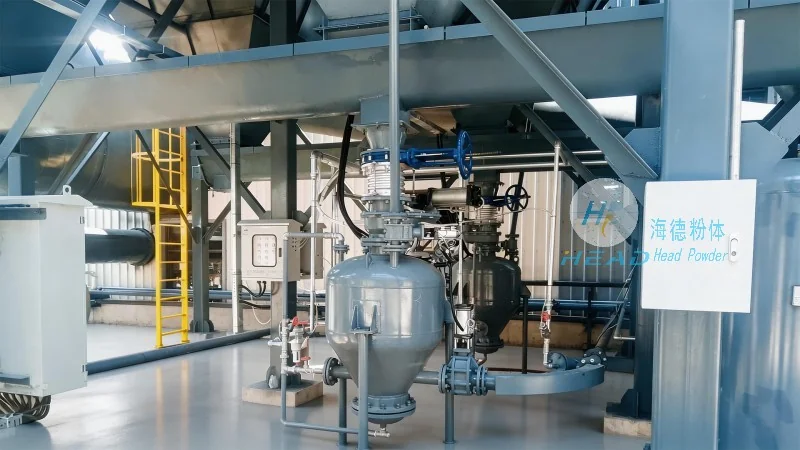
The Core Principle of Pneumatic Conveying for Coal Granular Materials
The pneumatic conveying line for coal granular materials operates on the principle of transporting bulk solids through a pipeline using a moving gas stream. This method, known as pneumatic conveying, is widely adopted in industrial settings due to its efficiency, flexibility, and ability to handle various particle sizes and moisture contents typical of coal. The system typically consists of a source of material, a conveying pipeline, a fan or blower to generate the air flow, and a discharge point where the material is deposited. The air flow can be either positive pressure (where the air pushes the material) or negative pressure (where the air pulls the material), with positive pressure systems being more common for coal handling due to their robustness and suitability for long-distance transport.
Key Components and Their Functions in the System
Several critical components work in tandem to ensure the smooth operation of a coal granular material pneumatic conveying line. The first is the material feed hopper, which stores and regulates the flow of coal into the system. This hopper is equipped with a feeder, such as a rotary valve or a screw conveyor, to control the rate of material discharge. The feeder is crucial for maintaining a consistent flow rate, preventing blockages, and ensuring the system operates at optimal efficiency. Next, the conveying pipeline, usually made of stainless steel or other corrosion-resistant materials, transports the coal and air mixture. The pipeline design, including bends and straight sections, is carefully engineered to minimize pressure losses and prevent material deposition. The fan or blower, often a centrifugal type, provides the necessary air pressure to move the coal particles. The pressure level is adjusted based on the distance and height of the transport, with higher pressures required for longer or steeper routes. Finally, the discharge unit, which can be a rotary valve, a cyclone separator, or a dust collector, separates the coal from the air and collects the material in a storage bin or directly to the end user. The cyclone separator, for instance, uses centrifugal force to separate larger particles from the air stream, while the dust collector removes fine particles to ensure compliance with environmental regulations.
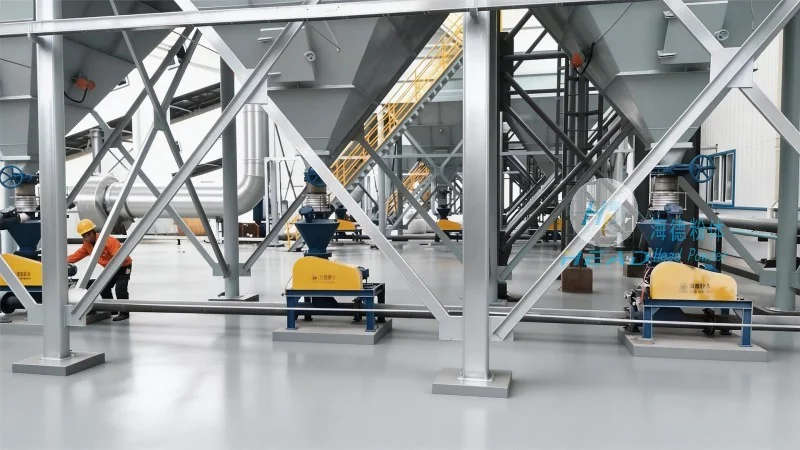
Working Scene Characteristics and Operational Advantages
The operational environment of a coal granular material pneumatic conveying line is characterized by several factors that influence system performance and reliability. One of the primary characteristics is the variability in coal properties, such as particle size distribution, moisture content, and density. These variations can affect the flow characteristics and require adjustments in the system parameters, such as air velocity and pressure. Another key characteristic is the need for high efficiency and low maintenance, as coal handling systems often operate continuously for long periods. The pneumatic conveying system addresses this by minimizing the need for manual handling and reducing the risk of material spillage or contamination. Additionally, the system is designed to be flexible, allowing for changes in the transport route or capacity without major modifications. This adaptability is particularly valuable in industrial settings where production needs may change over time. The environmental aspect is also a significant consideration, as coal dust can be a health hazard and an environmental pollutant. The system incorporates dust collection and filtration systems to minimize emissions and ensure compliance with local regulations. This not only protects the workforce but also enhances the company's reputation and operational sustainability.
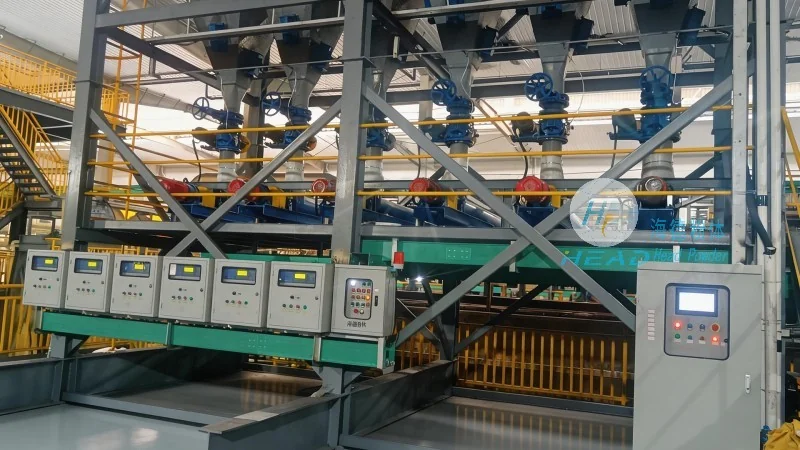
Applications and Industry Impact
The pneumatic conveying line for coal granular materials finds extensive applications in various industries, including power generation, steel production, and chemical processing. In power plants, these systems are used to transport coal from storage silos to boilers, ensuring a continuous and efficient fuel supply. The ability to handle large volumes of coal over long distances makes the system ideal for power plants with multiple units or remote coal sources. In steel mills, the system is used to transport coal to the sintering or direct reduction processes, where it is used as a fuel or reducing agent. The consistent flow and low contamination levels provided by the system are critical for maintaining the quality of the steel products. In chemical plants, coal may be used as a raw material for producing coke or other chemical products, and the pneumatic conveying system ensures a reliable supply of coal to the processing units. The system's ability to handle different particle sizes and moisture contents makes it versatile for various industrial applications.
Conclusion and Company Expertise
HeadPowder Engineering Co., Ltd., with its headquarters in Shandong, China, is a trusted provider of pneumatic conveying solutions for coal granular materials. The company's expertise lies in designing customized systems that meet the specific needs of clients, considering factors such as material properties, transport distance, and operational requirements. By leveraging advanced engineering techniques and high-quality components, HeadPowder ensures that its systems are efficient, reliable, and environmentally compliant. The company's commitment to innovation and customer satisfaction has made it a leader in the industry, providing solutions that enhance productivity and reduce operational costs for its clients. For businesses seeking to optimize their coal handling processes, HeadPowder offers a comprehensive range of services, from system design and installation to maintenance and support, ensuring long-term success and sustainability.