

Principle and Working Scene Characteristics of Trilithium Material Pneumatic Conveying Lines
Trilithium material, a critical component in lithium-ion batteries, demands specialized handling systems to ensure efficient and safe transport. Pneumatic conveying lines represent a key technology for moving these fine powders, offering advantages over traditional mechanical methods. This article, developed by Shandong HeadPowder Engineering Co., Ltd., delves into the underlying principles of such systems and highlights the specific characteristics of their application in industrial settings.
The Core Principle of Pneumatic Conveying for Trilithium Materials
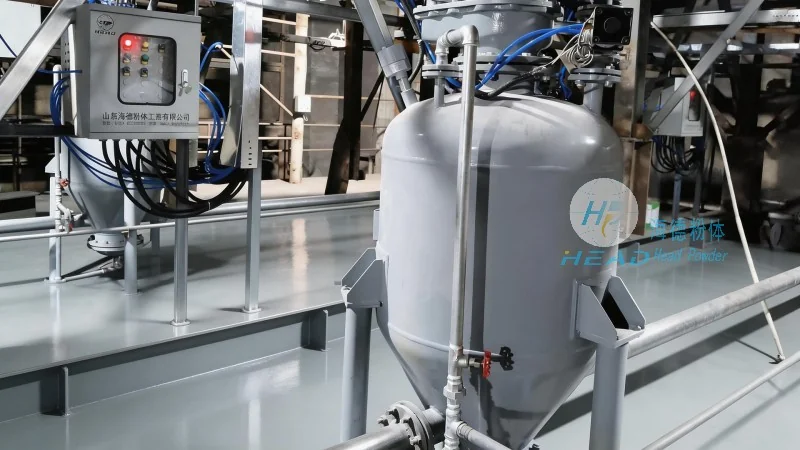
The fundamental principle of pneumatic conveying involves using compressed air to transport solid particles through a pipeline. In the case of trilithium materials, which are typically fine powders with specific chemical and physical properties, the system is designed to maintain particle integrity while ensuring efficient movement. The process generally includes a feed hopper, a pressure or vacuum source, and a discharge mechanism. The air flow creates a drag force that lifts and propels the particles, allowing them to travel through the pipeline without direct contact with the equipment. This method is particularly effective for materials that are sensitive to moisture or contamination, as the enclosed system minimizes exposure to external elements.
Key Working Scene Characteristics of Trilithium Material Pneumatic Conveying Lines
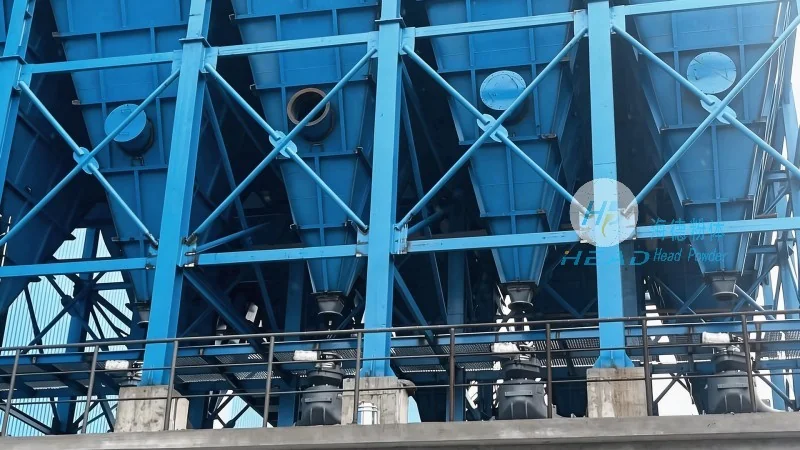
When applied in industrial environments, trilithium material pneumatic conveying lines exhibit several distinct characteristics that make them suitable for battery manufacturing processes. Firstly, the system’s ability to handle fine powders without clogging or degradation is critical. Trilithium materials often have a high specific surface area, which can lead to agglomeration if not handled properly. The pneumatic design mitigates this by maintaining a consistent air-to-solid ratio, preventing particle buildup in the pipeline. Secondly, the enclosed nature of the system ensures a clean and controlled environment, which is essential for maintaining the purity of the material. This is particularly important in battery production, where even trace contaminants can affect battery performance and lifespan. Thirdly, the flexibility of pneumatic conveying allows for integration with other production equipment, such as mixers, extruders, or coating machines. The lines can be configured to transport materials from storage silos to processing units, or between different stages of the battery manufacturing line, providing a seamless workflow. Additionally, the system’s energy efficiency and low maintenance requirements make it a cost-effective solution for continuous production operations.
Application Examples in Battery Manufacturing Workflows
Trilithium material pneumatic conveying lines are commonly integrated into the production workflows of lithium-ion battery manufacturers. For instance, in a typical battery cell production line, the system may be used to transport trilithium powder from a bulk storage silo to a mixing machine. The powder is then combined with other raw materials, such as carbon black and conductive agents, to form the cathode slurry. The pneumatic line ensures that the trilithium material is delivered to the mixer in a controlled manner, maintaining the desired particle size distribution and preventing any segregation that could occur with manual handling. Another application is the transport of trilithium material from a drying or cooling unit to a storage hopper, where it is prepared for the next stage of processing. The system’s ability to handle materials at various temperatures and moisture levels makes it versatile for different production stages. Furthermore, the system can be scaled to accommodate varying production volumes, from small-scale laboratory testing to large-scale commercial production, ensuring that the conveying capacity matches the production rate.
Advantages and Considerations for Industrial Implementation
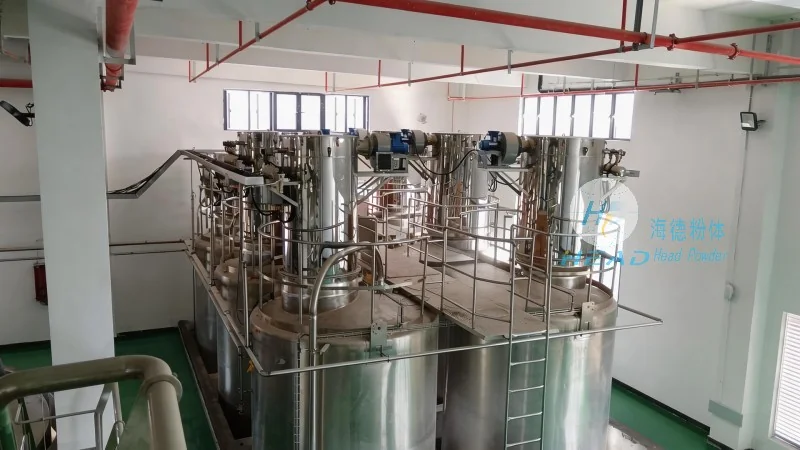
Implementing trilithium material pneumatic conveying lines in industrial settings offers several advantages, including improved material handling efficiency, reduced labor costs, and enhanced product quality. The enclosed system minimizes dust emissions, contributing to a safer working environment and compliance with environmental regulations. Additionally, the system’s ability to handle fine powders without degradation ensures that the material’s properties are preserved, leading to higher-quality battery products. However, there are also considerations to keep in mind when designing and operating such systems. For example, the selection of appropriate air pressure and flow rates is crucial to prevent particle degradation or pipeline clogging. The material of construction for the pipeline and components must be compatible with the trilithium material to avoid chemical reactions or contamination. Regular maintenance, such as cleaning and checking for air leaks, is also necessary to ensure the system operates efficiently over time. Furthermore, the system’s integration with other production equipment requires careful planning to ensure smooth operation and minimal downtime.