

Principle and Working Scene Characteristics of Glucose Material Pneumatic Conveying Lines
Shandong HeadPowder Engineering Co., Ltd., a professional manufacturer based in Shandong, China, specializes in the design, development, and implementation of advanced pneumatic conveying systems tailored for various industrial applications, including the efficient handling of glucose materials. These systems utilize air or gas as the primary medium to transport bulk materials like glucose, offering a non-contact, low-damage method that preserves product quality and integrity. The core technology behind these lines involves the use of pressure or vacuum to move materials through pipelines, ensuring efficient and safe transfer from source to destination.
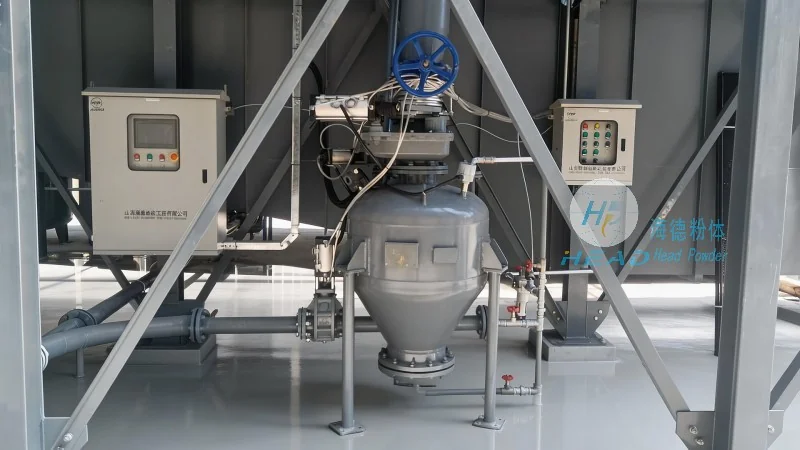
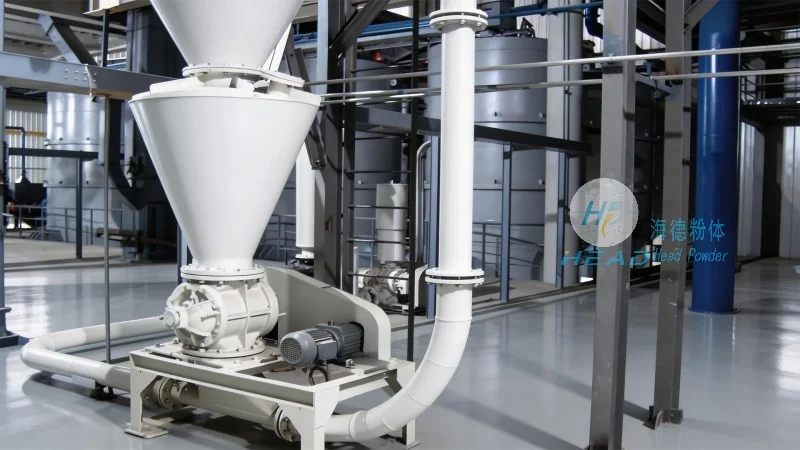
The Working Principle of Glucose Material Pneumatic Conveying Lines
The fundamental principle of pneumatic conveying for glucose materials revolves around the interaction between the material particles and the conveying medium. In a typical system, the glucose is fed into a hopper or feeder, where it is then introduced into a pipeline. Air or gas is then introduced into the pipeline, creating a flow that lifts and transports the material. The velocity and pressure of the air are carefully controlled to ensure that the material moves smoothly without causing blockages or degradation. This method is particularly effective for glucose, as it is a fine powder that can be easily suspended in air, allowing for high-speed and low-energy transfer compared to traditional mechanical conveying methods.
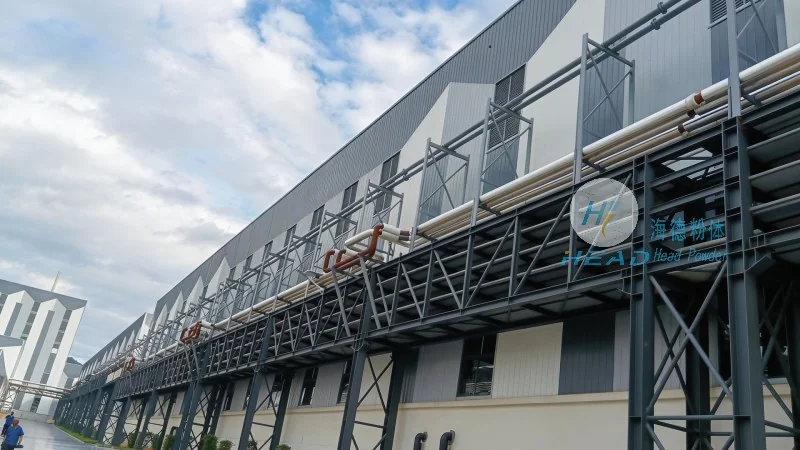
Key Working Scene Characteristics of Glucose Material Pneumatic Conveying Lines
When applied in industrial settings, glucose material pneumatic conveying lines exhibit several distinct characteristics that make them ideal for specific operational scenarios. Firstly, their ability to handle fine powders like glucose without causing agglomeration or loss of product quality is a significant advantage. This is crucial in food and pharmaceutical industries where product purity and consistency are paramount. Secondly, the systems are highly adaptable to different production scales, from small-scale laboratory applications to large-scale industrial manufacturing. This flexibility allows manufacturers to scale their operations as needed without significant changes to the conveying infrastructure. Thirdly, the non-contact nature of pneumatic conveying reduces the risk of contamination and cross-contamination, which is essential in industries where hygiene and safety are top priorities. Additionally, these systems can be integrated with other processing equipment, such as mixers, classifiers, and packaging machines, creating a seamless production line that enhances overall efficiency and productivity.
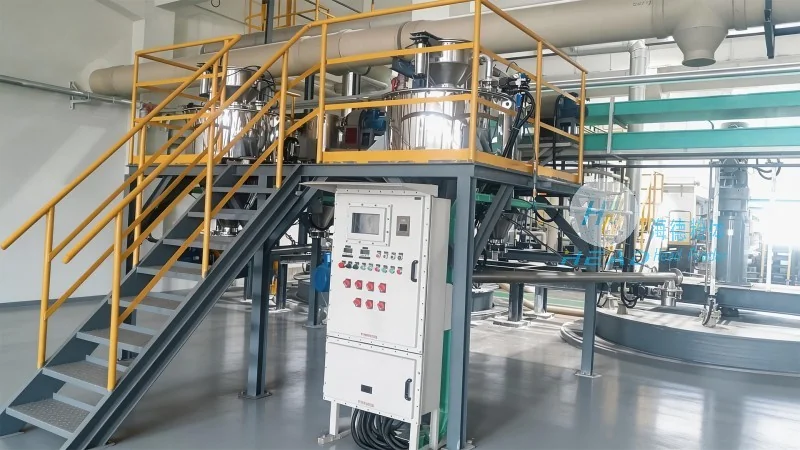
With a strong commitment to innovation and quality, Shandong HeadPowder Engineering Co., Ltd. continues to provide cutting-edge pneumatic conveying solutions for glucose and other similar materials. Our expertise in material handling and process engineering ensures that each system is tailored to meet the unique needs of our clients, delivering reliable performance and long-term value.