

Principle and Working Scene Characteristics of Barite Material Pneumatic Conveying Lines
Barite, a mineral primarily composed of barium sulfate (BaSO₄), plays a vital role in industries such as oil drilling, medical imaging, and chemical processing due to its high density and inert properties. The efficient transportation of barite materials is essential for maintaining production efficiency and ensuring product quality. Pneumatic conveying systems have become a preferred solution for handling barite, offering advantages like dust-free operation, reduced labor costs, and enhanced safety compared to traditional bulk material transport methods.
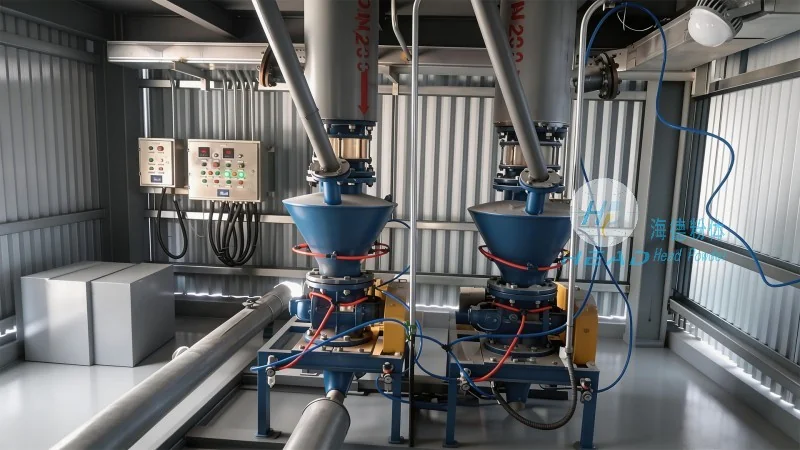
Introduction to Pneumatic Conveying Technology
Pneumatic conveying, also known as air conveying, is a method of transporting bulk materials through a pipeline using a stream of air. This technology is particularly well-suited for fine-grained materials like barite, which are prone to dust generation and require controlled handling. The fundamental principle involves creating a pressure differential within the pipeline—either by using positive pressure (where air is forced into the system) or negative pressure (where air is drawn out)—to move the material along with the air flow. The system typically consists of a hopper for material storage, a conveying line, and a receiver for the delivered material. The choice between positive and negative pressure systems depends on factors including material characteristics, conveying distance, and the need for dust control.
Principle of Barite Material Pneumatic Conveying
For barite materials, the pneumatic conveying process involves several critical steps. First, the barite is fed from a storage hopper into the conveying line. The material is then entrained by a high-velocity air stream, which carries the particles through the pipeline. The air velocity must be sufficient to overcome gravitational forces acting on the particles and maintain a stable flow. The conveying line is designed with appropriate diameters and bends to minimize pressure drop and prevent material deposition. At the receiving end, the air and material are separated—typically using a cyclone separator or filter—and the air is either recirculated or vented. The separation efficiency is crucial to ensure the barite is delivered in a clean state without contamination from the conveying air.
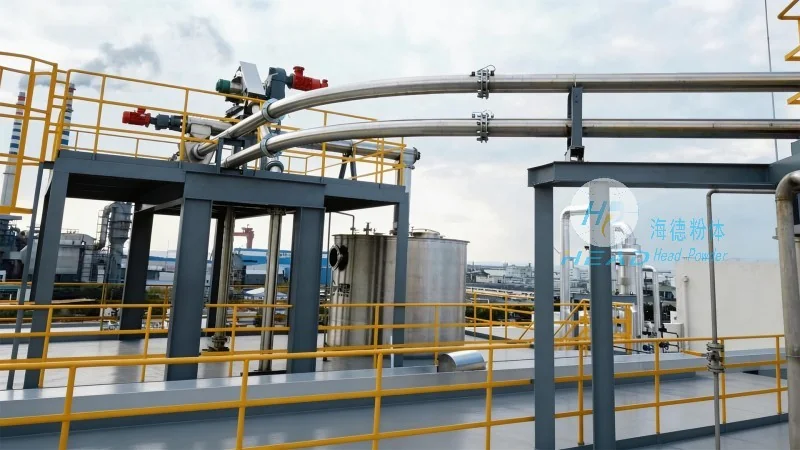
Working Scene Characteristics of Barite Pneumatic Conveying Lines
The working scene characteristics of barite pneumatic conveying lines vary based on application and operational requirements. In industrial settings like mining and processing facilities, the system is often integrated into a larger production line, transporting barite from storage silos to processing equipment or packaging units. Key characteristics include high conveying capacity for continuous operation, the ability to handle fine or powdery barite without clogging, and dust-free operation—advantageous in environments where dust control is mandatory. The system’s flexibility in conveying distances, from short distances within a facility to long-distance transport between sites, makes it adaptable to diverse operational needs.
Advantages of HeadPowder's Barite Pneumatic Conveying Solutions
Shandong HeadPowder Engineering Co., Ltd., a leading manufacturer of material handling equipment, specializes in designing and manufacturing customized pneumatic conveying systems for barite and other bulk materials. The company’s solutions are engineered to meet the unique demands of barite processing, ensuring optimal performance and reliability. Key advantages of HeadPowder’s systems include: efficient material transport with minimal loss or degradation, reduced maintenance costs due to robust construction and advanced components, and enhanced safety features such as explosion-proof designs for handling potentially hazardous materials. The company’s expertise in material flow dynamics and system integration ensures the conveying lines are tailored to barite’s characteristics—like density and particle size distribution—to achieve maximum efficiency.
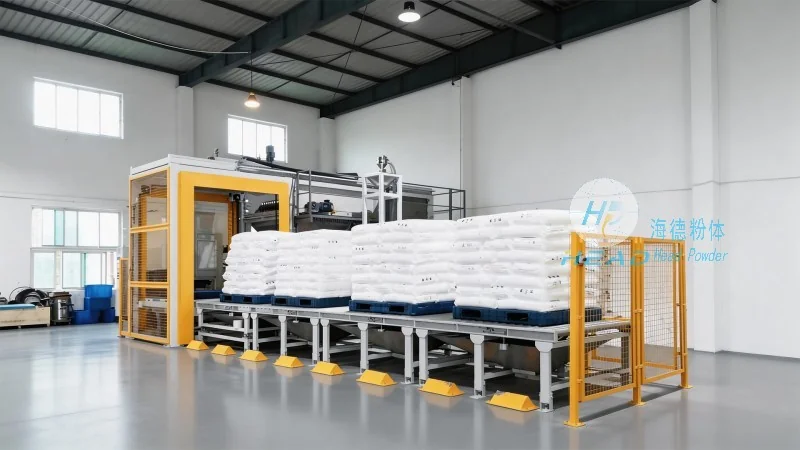
Application Examples in Barite Processing
HeadPowder’s barite pneumatic conveying lines are widely used in various stages of barite processing. For instance, in oil drilling operations, barite is used as a weighting agent to increase drilling fluid density. The conveying system efficiently transports barite from storage to mixing tanks, ensuring consistent and high-quality fluid. In the chemical industry, barite is used as a filler in paints and coatings, with the pneumatic line delivering material to mixing and packaging equipment. The system’s ability to handle fine particles without clogging is beneficial, maintaining material integrity and preventing contamination. Additionally, in mining operations, barite is extracted from ore and processed into a fine powder for downstream use. The conveying line transports processed barite to storage silos or shipping containers, facilitating smooth material flow and reducing manual handling.
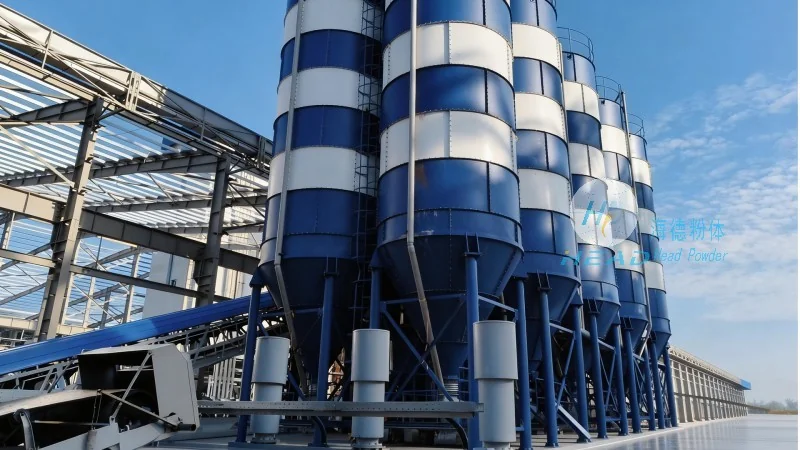
Operational Considerations and Maintenance
Proper operation and maintenance of barite pneumatic conveying lines are essential for long-term performance and reliability. Regular inspection of the conveying line for wear or damage is necessary to prevent leaks or blockages. The air filtration system must be maintained to keep conveying air clean and free of contaminants affecting barite quality. Hopper and receiver checks for material buildup or clogging are also critical to avoid system inefficiencies. HeadPowder provides comprehensive maintenance services and technical support, ensuring systems operate at peak efficiency and minimize downtime. The company’s expertise in material handling and pneumatic conveying technology enables tailored solutions addressing barite processing challenges, such as handling fine particles or maintaining consistent flow rates.
Conclusion
Pneumatic conveying systems offer a highly effective and efficient method for transporting barite materials, providing significant advantages over traditional methods like belt conveyors or bucket elevators. The principle of using air to move materials in a dust-free environment ensures high product quality and operational safety. HeadPowder’s expertise in designing and manufacturing customized pneumatic conveying lines for barite processing has established the company as a trusted partner in the industry. By leveraging advanced technology and a deep understanding of material handling, HeadPowder’s solutions help clients optimize barite processing operations, improve productivity, and reduce costs. The working scene characteristics of these systems—high capacity, flexibility, and reliability—make them suitable for a wide range of applications in the barite industry.