When it comes to the efficient and reliable transportation of dry sludge, various methods are employed by industries to ensure optimal performance and minimal operational disruptions. Understanding the different approaches to dry sludge handling is crucial for selecting the most suitable solution for specific applications. This article explores the primary methods used for dry sludge transportation, highlighting their advantages and practical applications.
Overview of Dry Sludge Transportation
Dry sludge, typically resulting from the dewatering processes in wastewater treatment facilities, requires specialized handling due to its granular or semi-solid nature. The choice of transportation method depends on factors such as the distance to be covered, the volume of sludge, the required speed, and the environmental conditions. Common methods include pneumatic conveying, mechanical conveying systems, and specialized bulk material handling equipment. Each method offers unique benefits and is tailored to meet the specific needs of different industrial settings.
Pneumatic Conveying Systems
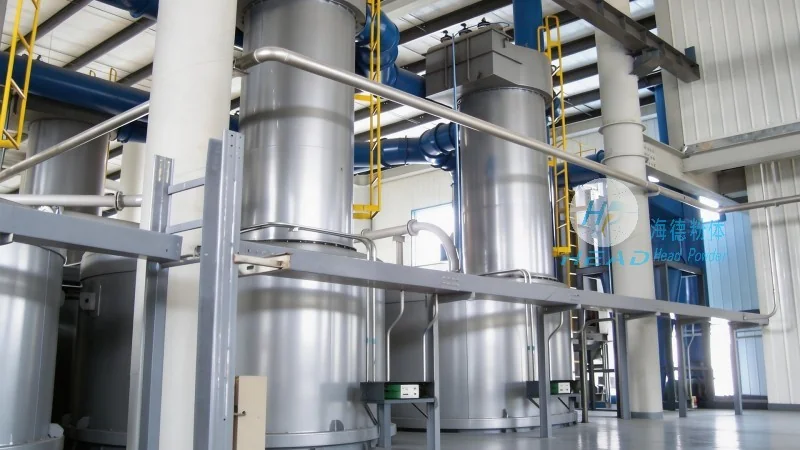
Pneumatic conveying is a widely used technique for transporting dry sludge over short to medium distances. This method involves the use of air pressure to move the sludge through a network of pipes. There are two main types of pneumatic systems: positive pressure and negative pressure. Positive pressure systems use compressed air to push the sludge forward, while negative pressure systems use vacuum to draw the material into the system. Pneumatic conveying is particularly effective for fine-grained dry sludge and can handle high volumes with minimal maintenance. It is often preferred for applications where dust control and hygiene are critical, as the system can be enclosed to prevent emissions.
Mechanical Conveying Equipment
Mechanical conveying systems utilize mechanical components to transport dry sludge. These include belt conveyors, screw conveyors, and bucket elevators. Belt conveyors are commonly used for horizontal or slight incline transport, capable of moving large volumes of dry sludge over long distances. Screw conveyors, also known as augers, are ideal for vertical or inclined transport, as they can lift and move the material through a rotating screw. Bucket elevators are used for vertical transport, transporting sludge in buckets that rotate along a chain or belt. Mechanical conveyors are generally more cost-effective for short to medium distances and are suitable for a wide range of dry sludge types, including those with varying moisture content.
Specialized Bulk Handling Solutions
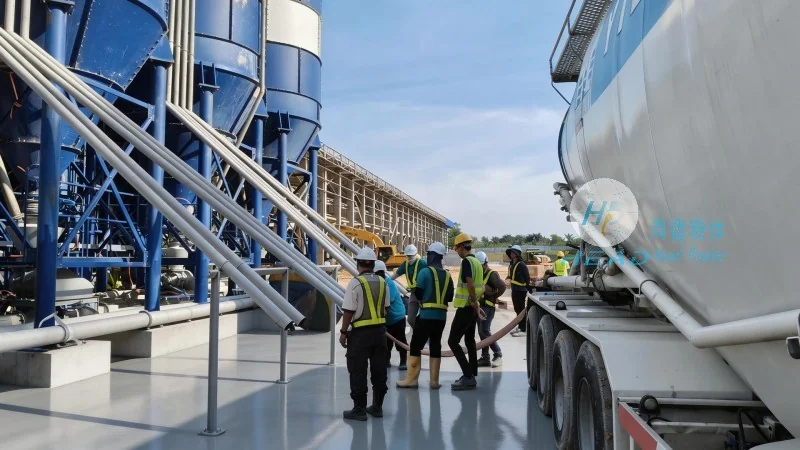
For specialized applications, such as transporting dry sludge to off-site disposal or processing facilities, bulk handling solutions like truck loading systems and railcars may be employed. These methods are often used for longer distances and larger volumes, where on-site processing is not feasible. Truck loading systems involve the use of conveyor belts or pneumatic systems to load dry sludge into transport vehicles, ensuring efficient and safe transfer. Railcar loading systems are similar but designed for rail transport, providing a cost-effective solution for bulk transportation over long distances. These specialized solutions are tailored to meet the specific requirements of each project, ensuring compliance with environmental regulations and operational efficiency.
Factors Influencing the Selection of Dry Sludge Transportation Methods
The choice of dry sludge transportation method is influenced by several key factors. The distance to be covered is a primary consideration, as different methods are optimized for short, medium, or long distances. The volume of sludge to be transported also plays a role, with larger volumes often requiring more robust systems. The required speed of transport is another factor, as some applications demand rapid movement to meet production schedules. Environmental considerations, such as dust control and odor management, are critical, especially in urban or residential areas. Additionally, the physical properties of the dry sludge, including its moisture content, particle size, and abrasiveness, must be evaluated to ensure the selected system can handle the material without damage or inefficiency.
Conclusion
In conclusion, the transportation of dry sludge requires careful consideration of various factors to ensure optimal performance and compliance with industry standards. Pneumatic conveying, mechanical conveying systems, and specialized bulk handling solutions each offer unique advantages and are selected based on the specific needs of the application. By understanding the characteristics of dry sludge and the capabilities of different transportation methods, industries can choose the most effective solution to meet their operational requirements. As a leading provider in the field, Shandong HeadPowder Engineering Co., Ltd. specializes in designing and implementing customized dry sludge transportation systems tailored to the unique needs of each client, ensuring efficient and reliable operation.




