

Shredded Paper Conveying Methods
Shandong HeadPowder Engineering Co., Ltd. specializes in providing efficient solutions for the transportation of shredded paper. As a leading manufacturer based in Shandong, China, the company understands the importance of reliable and effective conveying systems in managing waste paper processing operations. This article explores the various methods used for conveying shredded paper, highlighting the key considerations and technologies employed in the industry.
Understanding Shredded Paper Conveying
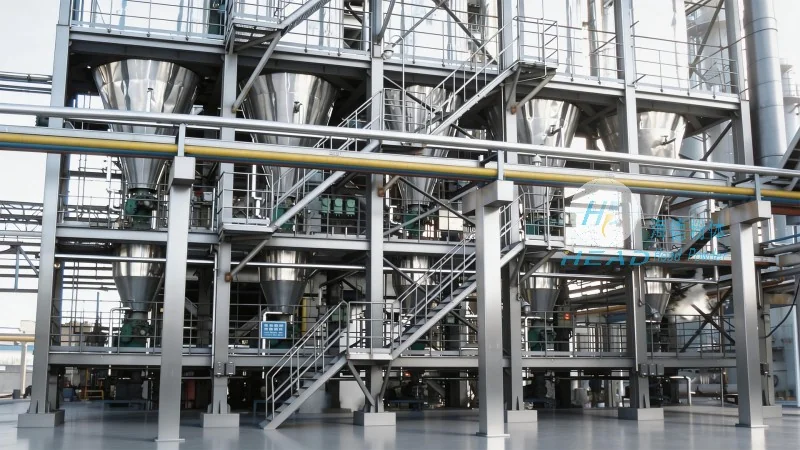
Before delving into the specific methods, it is essential to understand the nature of shredded paper and the challenges associated with its transportation. Shredded paper, often resulting from office document destruction or industrial paper processing, is characterized by its fine, irregular particles. These particles can be lightweight and prone to dust formation, which poses unique challenges for traditional conveying systems. Effective shredded paper conveying requires equipment that can handle these characteristics without causing blockages, loss of material, or excessive wear and tear.
Common Conveying Methods for Shredded Paper
Several methods are commonly employed in the industry to transport shredded paper from one location to another. The choice of method depends on factors such as the volume of material, the distance to be covered, the required speed, and the specific characteristics of the shredded paper. The primary methods include:
Pneumatic Conveying Systems
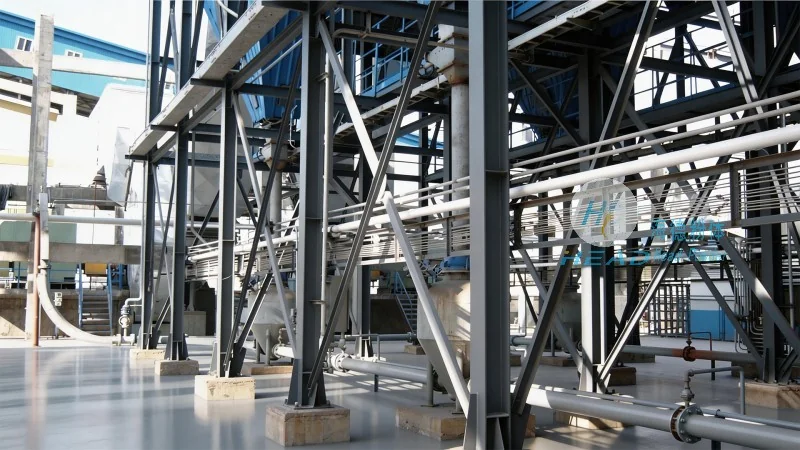
Pneumatic conveying, also known as air-based conveying, is a popular method for transporting shredded paper, especially over moderate distances. This system uses compressed air to move the material through a network of pipes. The shredded paper is fed into the system, and the air pressure propels it through the pipeline. Pneumatic systems are particularly effective for handling fine particles and can be designed to operate in both positive and negative pressure modes. Positive pressure systems push the material forward using air, while negative pressure systems create a vacuum to pull the material. The choice between these modes depends on the application and the need to control dust emissions. Pneumatic conveying is often used in applications where the material needs to be transported through multiple branches or to different processing stages.
Belt Conveyors
Belt conveyors are another widely used method for conveying shredded paper. These systems consist of a continuous loop of material (usually rubber or fabric) that is driven by rollers. The shredded paper is placed on the belt and moves along the path as the belt rotates. Belt conveyors are suitable for transporting larger volumes of material over longer distances and can be customized with different belt widths and speeds to meet specific requirements. They are particularly effective for horizontal or slightly inclined transport, making them ideal for moving shredded paper from a shredding unit to a storage or processing area. The design of the belt conveyor, including the type of belt and the spacing of the rollers, is crucial for preventing material buildup and ensuring smooth operation.
Screw Conveyors
Screw conveyors, also known as auger conveyors, are another option for transporting shredded paper. These systems use a rotating screw (auger) to move the material along a tube or trough. The screw is typically made of metal and is designed to handle the abrasive nature of shredded paper. Screw conveyors are effective for vertical or inclined transport and can be used to elevate the material to higher levels or move it horizontally. They are particularly useful in applications where the material needs to be conveyed in a closed system to minimize dust emissions. The speed and pitch of the screw can be adjusted to control the flow rate and prevent clogging. However, screw conveyors may not be suitable for very fine or lightweight particles, as they can cause excessive friction and wear.
Vibrating Conveyors
Vibrating conveyors use vibrations to move shredded paper along a trough or conveyor belt. The system consists of a conveyor bed that is mounted on a frame and vibrated by an electric motor. The vibrations cause the material to move forward, similar to how a shaking table works. Vibrating conveyors are effective for handling a wide range of materials, including shredded paper, and can be designed to operate in various orientations. They are particularly useful for transporting material over short distances or in tight spaces where other systems may not fit. The frequency and amplitude of the vibrations can be adjusted to optimize the conveying performance and prevent material accumulation.
Selection Criteria for Shredded Paper Conveying Systems
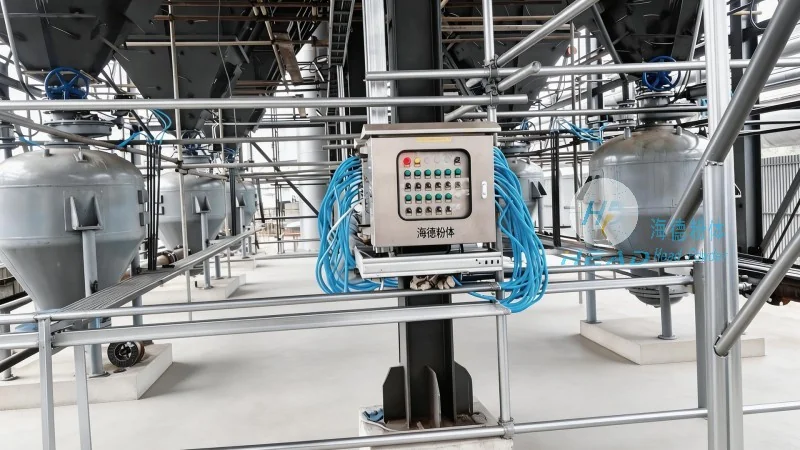
When selecting a conveying system for shredded paper, several factors must be considered to ensure optimal performance and efficiency. The first consideration is the volume of material to be transported. High-volume applications may require multiple conveyors or larger systems to handle the load. The distance to be covered is another critical factor, as different systems are better suited for short or long distances. The required speed of the material is also important, as some processes may need faster transport to meet production demands. Additionally, the characteristics of the shredded paper, such as particle size, moisture content, and dust generation, must be taken into account. For example, systems that can handle fine particles and minimize dust emissions are preferred in applications where air quality is a concern.
Maintenance and Operational Considerations
Proper maintenance is essential for ensuring the longevity and efficiency of shredded paper conveying systems. Regular inspection of the equipment, including the belts, screws, and pipes, is necessary to detect and address any issues before they become major problems. Cleaning the system regularly to remove accumulated material and prevent clogging is also important. The use of appropriate lubricants and protective coatings can help extend the life of the components and reduce wear. Operational considerations, such as the speed and pressure settings, must be optimized to match the specific requirements of the application. This may involve adjusting the system based on the volume of material or the distance to be covered. Proper training of operators on the use and maintenance of the conveying system is also crucial for ensuring safe and efficient operation.
Conclusion
Shandong HeadPowder Engineering Co., Ltd. offers a range of conveying solutions tailored to the specific needs of shredded paper transportation. By understanding the various methods and considering the key factors such as volume, distance, and material characteristics, businesses can select the most appropriate system for their operations. Whether using pneumatic, belt, screw, or vibrating conveyors, the goal is to achieve efficient, reliable, and cost-effective transportation of shredded paper. With proper maintenance and operational management, these systems can provide long-term benefits and support the overall efficiency of waste paper processing operations.