

Principle and Working Scene Characteristics of a Molybdenum Oxide Material Pneumatic Conveying Line
For industrial applications involving molybdenum oxide materials, efficient material handling is crucial to ensure smooth production processes and maintain product quality. Pneumatic conveying lines represent a sophisticated solution for transporting such materials, offering advantages like dust-free operation, reduced contamination, and the ability to handle a wide range of particle sizes. This article explores the fundamental principles behind molybdenum oxide material pneumatic conveying systems and highlights the key characteristics of their working environments, with a focus on the expertise of Shandong HeadPowder Engineering Co., Ltd. (referred to as HeadPowder), a leading provider in this field.
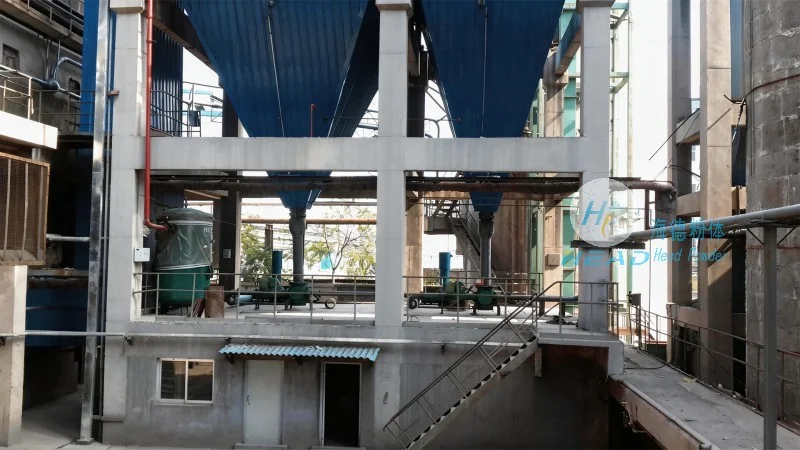
Principle of Pneumatic Conveying for Molybdenum Oxide Materials
Pneumatic conveying operates by using compressed air or a vacuum to move solid materials through a pipeline. In the case of molybdenum oxide, which is often a fine powder or granular material, the system typically employs positive pressure (pressure conveying) or negative pressure (vacuum conveying) to transport the material from a source, such as a storage silo or hopper, to a destination, like a processing unit or reaction vessel. The core components of a pneumatic conveying line include a material feed device, a conveying pipeline, a fan or blower to generate the necessary airflow, and a control system to regulate the flow rate and pressure. The choice between positive and negative pressure depends on factors such as the material's properties, the distance to be conveyed, and the desired level of control over the process. For molybdenum oxide, which can be sensitive to moisture or contamination, positive pressure systems are often preferred as they minimize exposure to external air and reduce the risk of dust inhalation.
Working Scene Characteristics of Molybdenum Oxide Pneumatic Conveying Lines
The working environment of a molybdenum oxide pneumatic conveying line is characterized by several key features that are tailored to the specific requirements of the material and the production process. First, the system is designed to maintain a clean and controlled atmosphere, which is essential for preserving the purity of molybdenum oxide, a material often used in high-tech applications such as catalysts, lubricants, and aerospace components. The enclosed pipeline system prevents dust from escaping into the workplace, reducing health hazards and environmental pollution. Second, the conveying velocity and pressure are carefully controlled to ensure that the material is transported without causing excessive wear to the pipeline or equipment. This is particularly important for molybdenum oxide, which can be abrasive due to its high density and hardness. Third, the system incorporates safety features, such as pressure relief valves and emergency shut-off mechanisms, to protect against over-pressurization or other operational failures. Additionally, the working scene often includes integration with other production equipment, such as mixers, reactors, or packaging units, to create a seamless material flow from extraction to final product.
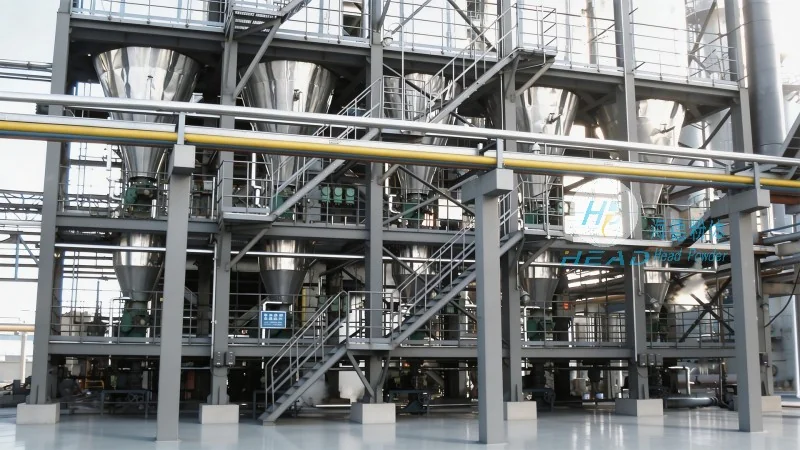
Application Scenarios in Industrial Production
Molybdenum oxide material pneumatic conveying lines are widely used in various industrial sectors, particularly in the chemical and metallurgical industries. One common application is in the production of molybdenum compounds, where the material is conveyed from a storage silo to a reaction vessel for further processing. The system ensures that the material is delivered in a controlled manner, maintaining consistent moisture levels and preventing agglomeration, which could affect the reaction efficiency. Another scenario involves the transfer of molybdenum oxide from a grinding or milling unit to a packaging line, where the material is conveyed to a hopper for loading into containers. In such cases, the pneumatic conveying line provides a hygienic and efficient method of handling the material, minimizing the risk of cross-contamination and ensuring product integrity. Furthermore, in large-scale production facilities, multiple pneumatic conveying lines may be interconnected to form a network that handles different grades or forms of molybdenum oxide, allowing for flexible and scalable material management.
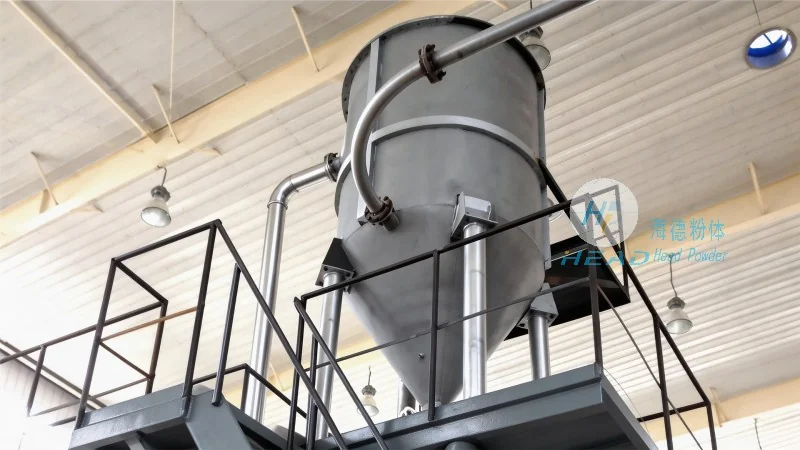
Advantages and Considerations for Molybdenum Oxide Handling
When implementing a molybdenum oxide pneumatic conveying line, several advantages and considerations must be taken into account. The primary advantage is the ability to handle the material in a dust-free environment, which is critical for maintaining the quality of molybdenum oxide products. This also enhances workplace safety by reducing the risk of respiratory issues associated with fine powder inhalation. Another advantage is the flexibility of the system, as it can be easily adjusted to accommodate changes in production volume or material characteristics. However, there are also considerations related to the system's maintenance and operational costs. For example, the pipeline and fan components require regular cleaning and inspection to prevent blockages or wear, which can impact the system's efficiency. Additionally, the energy consumption of the fan or blower must be managed to ensure cost-effectiveness, especially in large-scale operations. Despite these considerations, the benefits of using a pneumatic conveying line for molybdenum oxide materials often outweigh the drawbacks, making it a preferred choice for many industrial applications.
Conclusion
In conclusion, molybdenum oxide material pneumatic conveying lines are essential equipment for modern industrial production, offering efficient, safe, and clean methods of material handling. The principles of pneumatic conveying, combined with the specific characteristics of molybdenum oxide, result in a system that is well-suited for various applications, from raw material transport to final product packaging. With the expertise of companies like Shandong HeadPowder Engineering Co., Ltd., these systems can be customized to meet the unique needs of different production environments, ensuring optimal performance and reliability. As the demand for high-purity molybdenum oxide products continues to grow, the importance of effective material handling solutions like pneumatic conveying lines will only increase, making them a vital component of the industrial supply chain.