

Principle and Working Scene Characteristics of Asbestos Powder Material Pneumatic Conveying Lines
Asbestos powder material pneumatic conveying lines represent a sophisticated and efficient method for transporting fine particulate materials, particularly in industrial settings where traditional mechanical conveying systems may face challenges. The technology leverages the principles of fluid dynamics to move materials through a closed pipeline system using air or other gases as the conveying medium. This approach is especially relevant for handling asbestos powder, which requires careful handling due to its hazardous nature, making the design and operation of such systems critical for safety and operational efficiency.
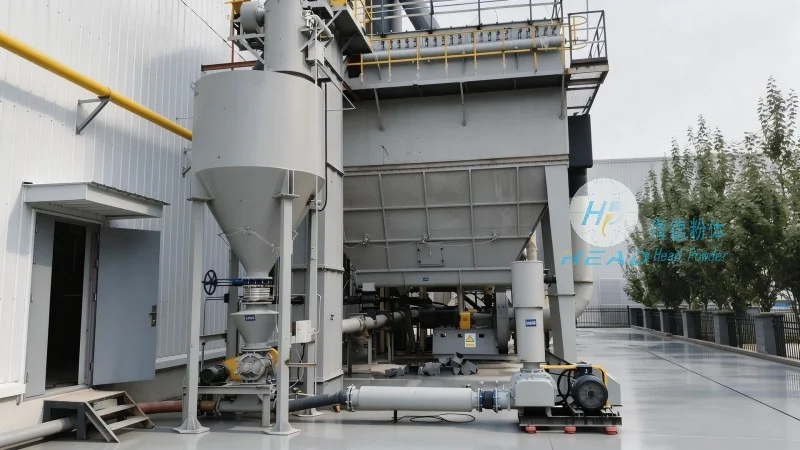
Working Principles of Pneumatic Conveying for Asbestos Powder
The core principle of pneumatic conveying for asbestos powder involves creating a flow of air or gas that propels the powder particles through a network of pipes. There are two primary modes: positive pressure (or pressure) systems and negative pressure (or vacuum) systems. In positive pressure systems, compressed air is introduced at the material feed point, generating a high-pressure air stream that carries the powder forward. This method is suitable for short to medium distance conveying and can handle abrasive or sticky materials. Negative pressure systems, on the other hand, use a vacuum at the discharge end to draw the material into the pipeline. This approach is ideal for long-distance or multi-point collection scenarios, as it minimizes dust emissions at the source.
Key Working Scene Characteristics
Several distinct characteristics define the operational landscape of asbestos powder pneumatic conveying lines. Firstly, the system must be designed with robust sealing and filtration to prevent dust leakage, which is essential for maintaining a safe working environment. Secondly, the material handling process requires precise control over air flow rates and pressure to avoid material degradation or blockages. Thirdly, the equipment must be constructed from materials resistant to corrosion and abrasion, as asbestos powder can be highly abrasive over time. Additionally, the system often integrates with other industrial processes, such as mixing, drying, or packaging, to form a comprehensive material handling solution.
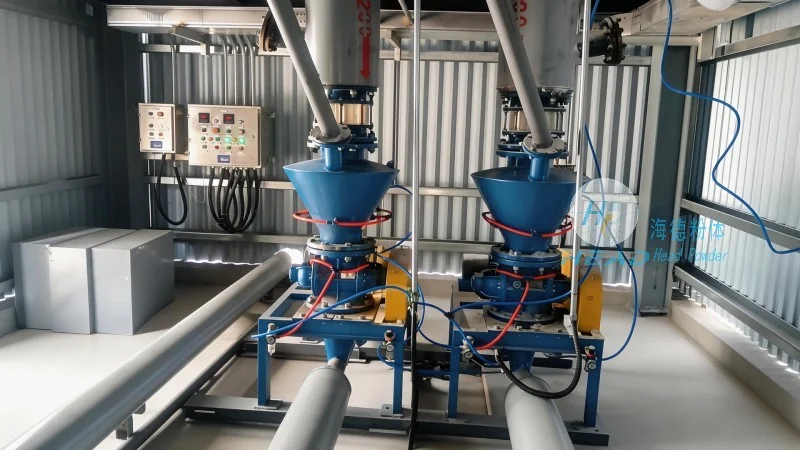
Application Scenarios and Operational Advantages
These conveying lines are commonly employed in various industrial applications where asbestos powder is processed or handled. For instance, in asbestos manufacturing facilities, the system can transport raw asbestos fibers from storage silos to processing machines, ensuring a continuous and dust-free workflow. In construction or renovation sites, the equipment may be used to move asbestos-containing materials from demolition areas to disposal sites, adhering to strict environmental regulations. Furthermore, in research and development laboratories, the system facilitates the precise transfer of asbestos powder for testing and analysis, supporting quality control and safety compliance.
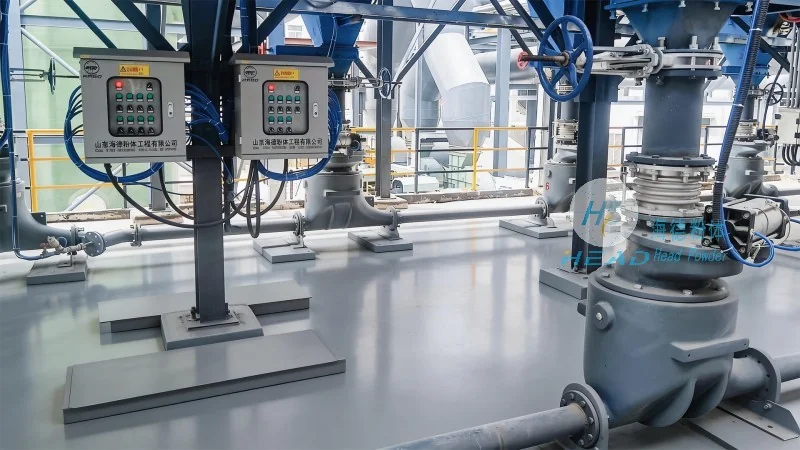
Technical Advantages and Practical Implementation
The adoption of pneumatic conveying systems for asbestos powder offers several technical advantages. One of the most significant is the ability to achieve high conveying speeds and distances without the need for complex mechanical components, reducing maintenance costs and downtime. The enclosed pipeline design also minimizes the risk of dust exposure to personnel, enhancing workplace safety. Additionally, the system can handle a wide range of particle sizes and densities, making it versatile for different asbestos powder formulations. Another advantage is the flexibility to integrate with existing industrial infrastructure, allowing for seamless integration into current production lines.
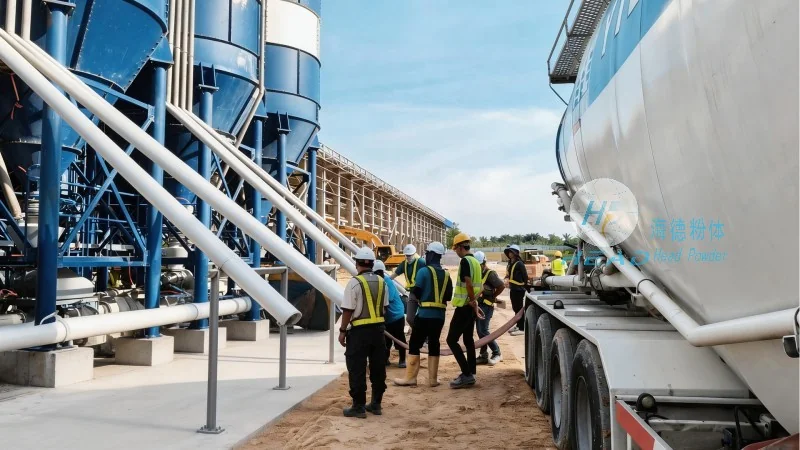
Company Profile and Expertise
HeadPowder, or Shandong HeadPowder Engineering Co., Ltd., based in Shandong, China, specializes in the design, manufacturing, and implementation of advanced material handling solutions, including pneumatic conveying systems for asbestos powder. With years of experience in the industry, the company has developed a deep understanding of the unique challenges associated with handling hazardous materials like asbestos. Their expertise lies in tailoring systems to meet specific customer requirements, ensuring compliance with safety standards and operational efficiency. The company’s commitment to quality and innovation has made it a trusted partner for businesses seeking reliable and effective material transport solutions.
Conclusion
In conclusion, asbestos powder material pneumatic conveying lines represent a critical technology for safe and efficient material handling in industrial applications. By leveraging fluid dynamics and advanced engineering, these systems provide a solution that addresses the challenges of transporting hazardous materials while maintaining operational excellence. With the expertise of companies like Shandong HeadPowder Engineering Co., Ltd., businesses can implement effective conveying solutions that enhance productivity, ensure safety, and comply with regulatory requirements.