

Operation Process and Working Principle of the Polyvinyl Chloride (PVC) Powder Pneumatic Conveying S
For industrial applications involving the handling of polyvinyl chloride (PVC) powders, efficient and reliable material transport is crucial. The pneumatic conveying system represents a sophisticated solution that ensures safe, low-dust, and energy-efficient movement of PVC powders from one location to another. This article provides a detailed overview of the operation process and working principle of such a system, highlighting the key components, operational steps, and the underlying mechanisms that enable effective powder handling.
Key Components of the Pneumatic Conveying System
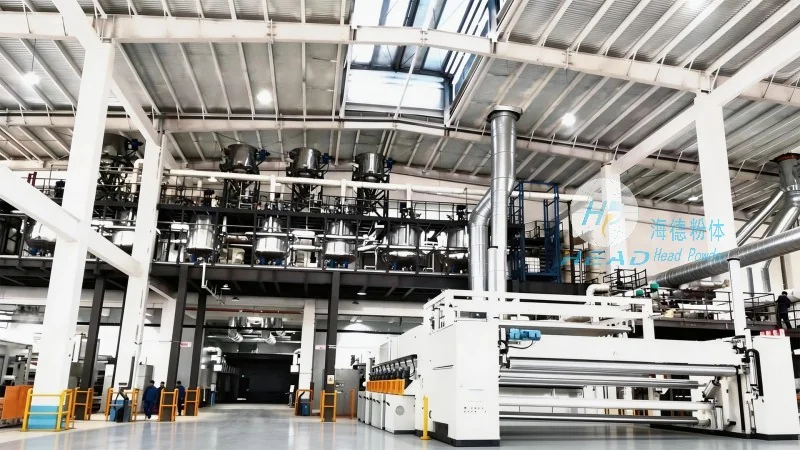
The PVC powder pneumatic conveying system comprises several critical components that work in tandem to facilitate the material transport. These components include the material feed hopper, the air supply system (typically a blower or compressor), the conveying line (which may be a pipeline or a combination of pipelines), and the receiving hopper or storage tank. Each component plays a specific role in the overall operation, ensuring that the PVC powder is conveyed smoothly and without degradation.
Working Principle of the Pneumatic Conveying System
The core working principle of the pneumatic conveying system is based on the use of air to create a flow that transports the PVC powder particles through the conveying line. The process typically begins with the PVC powder being fed into the material feed hopper. From there, the powder is drawn into the conveying line by the air flow generated by the blower. The air velocity within the line is maintained at a level sufficient to keep the powder particles suspended and moving forward. As the powder travels through the pipeline, it encounters various sections such as bends, expansions, or contractions, which are designed to minimize pressure losses and ensure consistent flow.
Operation Process: Step-by-Step Overview
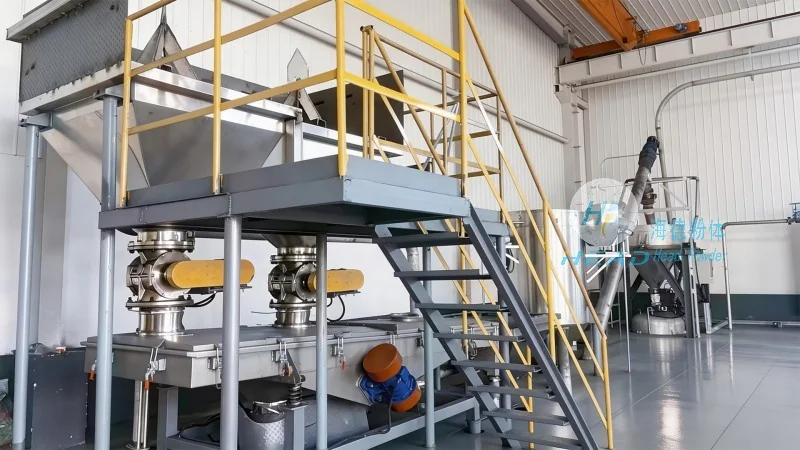
The operation of the PVC powder pneumatic conveying system follows a systematic sequence of steps. First, the PVC powder is loaded into the feed hopper. The system then activates the air supply, which starts the blower and generates the necessary airflow. The powder is then discharged from the hopper and enters the conveying line, where it is carried by the air stream. The conveying line may include various sections, such as vertical or horizontal runs, and may incorporate features like cyclones or filters to separate any entrained air from the powder at the receiving end. Finally, the PVC powder is deposited into the receiving hopper or storage tank, completing the transport cycle.
Advantages of Pneumatic Conveying for PVC Powders
Compared to traditional mechanical conveying methods, the pneumatic conveying system offers several advantages when handling PVC powders. These include reduced dust generation, which improves workplace safety and compliance with environmental regulations. The system also minimizes material degradation, as the powder is not subjected to excessive friction or impact during transport. Additionally, pneumatic conveying allows for flexible routing of the conveying line, enabling the integration of the system into existing industrial layouts without significant modifications. The energy efficiency of the system, particularly when using efficient blowers, contributes to lower operational costs over time.
Applications and Industries Utilizing PVC Powder Pneumatic Conveying
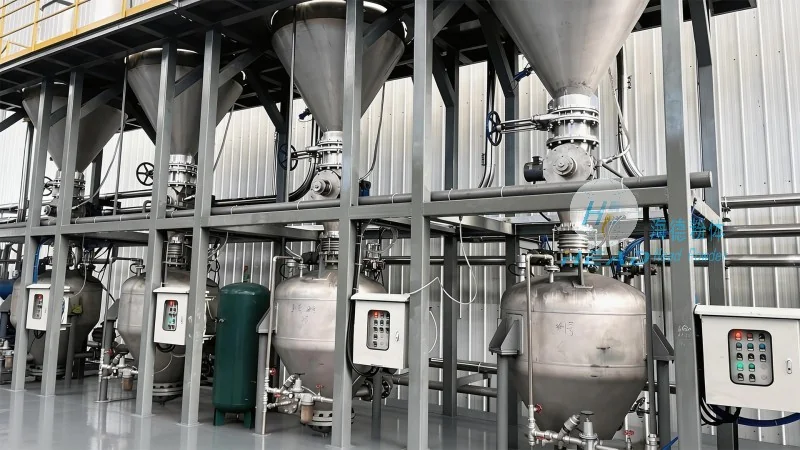
The PVC powder pneumatic conveying system is widely used across various industries that rely on PVC as a raw material. These include the plastics manufacturing sector, where PVC powders are used in the production of pipes, flooring, and other construction materials. The system is also employed in the chemical industry for the handling of PVC resins and additives. Additionally, in the manufacturing of PVC products, such as window frames and siding, the efficient transport of powders is essential to maintain production continuity and quality control.
Conclusion and Company Overview
The operation process and working principle of the polyvinyl chloride (PVC) powder pneumatic conveying system are integral to modern industrial material handling. By leveraging the principles of pneumatic transport, this system ensures the safe, efficient, and low-dust movement of PVC powders, contributing to improved operational efficiency and product quality. Shandong HeadPowder Engineering Co., Ltd., a leading provider in this field, specializes in the design, manufacturing, and installation of such systems, catering to the diverse needs of industries that rely on PVC powders. With a focus on innovation and adherence to industry standards, the company ensures that its pneumatic conveying solutions meet the highest performance and safety requirements, supporting the growth and success of its clients.