Organic fertilizer material pneumatic conveying lines are essential equipment in the agricultural and fertilizer production industries, designed to efficiently transport bulk organic materials such as compost, manure, and other organic waste. This article explores the fundamental principles behind these systems and highlights key characteristics of their operational scenarios, providing insights into how they enhance productivity and efficiency in modern organic fertilizer processing facilities.
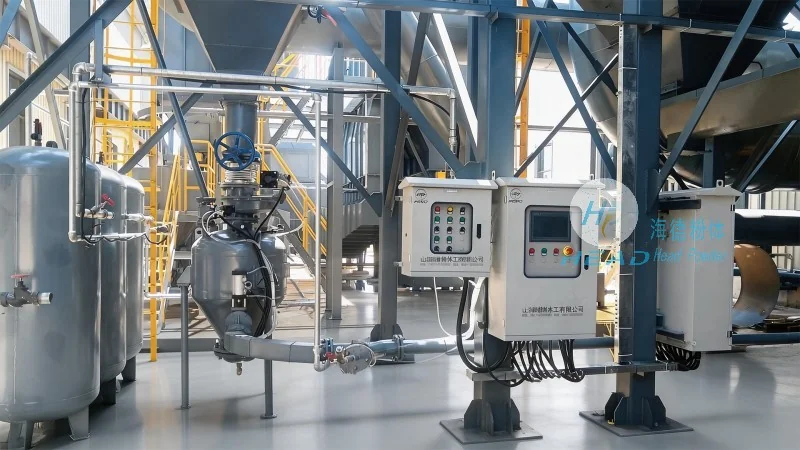
Introduction to Organic Fertilizer Material Pneumatic Conveying Lines
Organic fertilizer material pneumatic conveying lines, also known as pneumatic conveyors, are systems that use air pressure or vacuum to move bulk organic materials from one location to another. These systems are widely used in the organic fertilizer industry due to their ability to handle abrasive and sticky materials without the need for mechanical components like belts or buckets. The technology is particularly valuable for transporting materials that are difficult to handle with traditional methods, such as compost, animal manure, and other organic residues.
The Core Principle of Pneumatic Conveying
The fundamental principle of pneumatic conveying is the use of air flow to transport solid particles. There are two main types of pneumatic conveying systems: pressure and vacuum. In pressure systems, air is forced through a pipeline at high pressure, pushing the material forward. In vacuum systems, a vacuum is created at the receiving end, drawing the material into the pipeline. For organic fertilizer materials, which often require gentle handling to avoid degradation, vacuum systems are commonly preferred as they exert less force on the material, minimizing damage and preserving the quality of the organic matter.
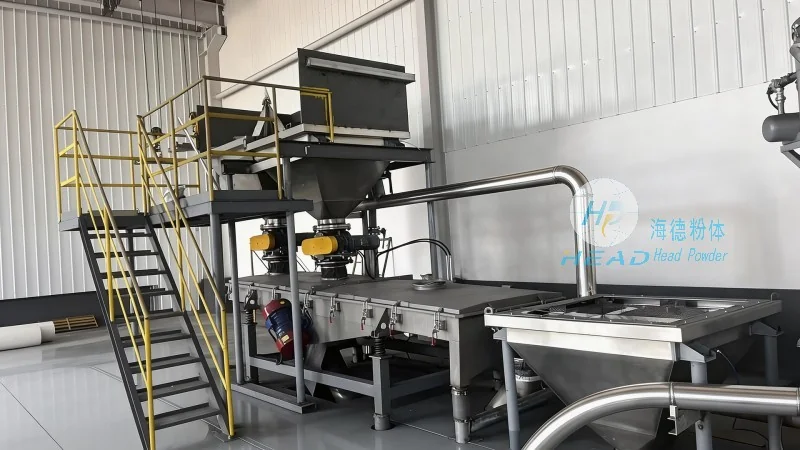
Key Working Scene Characteristics
The operational characteristics of organic fertilizer material pneumatic conveying lines vary significantly based on the specific application and the type of material being handled. Understanding these characteristics is crucial for selecting the appropriate system and ensuring optimal performance. Some of the most notable characteristics include:
1. Material Handling Capacity and Flow Rate
The capacity of a pneumatic conveying line is determined by factors such as the material's bulk density, particle size, and the system's air flow rate. For organic fertilizer materials, which typically have lower bulk densities compared to inorganic fertilizers, the system must be designed to handle these characteristics effectively. The flow rate is adjusted based on the production requirements, ensuring that the conveying line can meet the demand without causing blockages or excessive energy consumption.
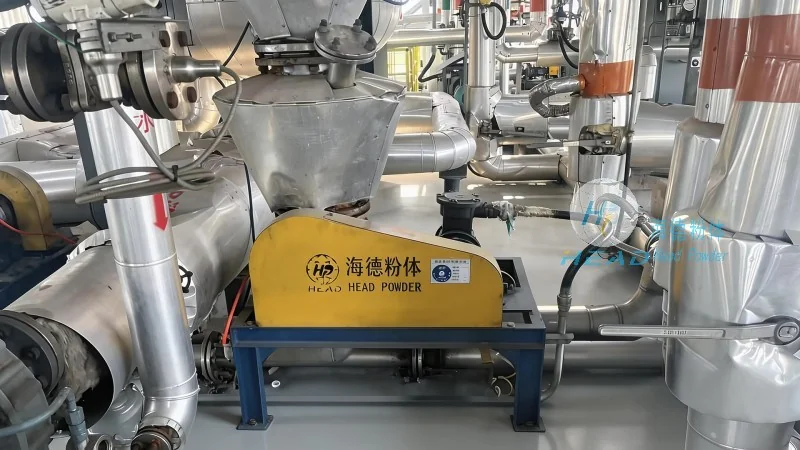
2. System Efficiency and Energy Consumption
Efficiency is a critical factor in the operation of pneumatic conveying lines. The energy consumption is influenced by the pressure drop across the pipeline, the length of the conveying line, and the number of bends or fittings. Modern systems incorporate advanced design features, such as optimized pipe diameters and minimal bends, to reduce energy loss and improve overall efficiency. This is particularly important for large-scale organic fertilizer production facilities, where energy costs can significantly impact operational expenses.
3. Material Compatibility and Wear Resistance
Organic fertilizer materials can be abrasive and corrosive, which can lead to wear and tear on the conveying system components. To address this, the materials used in the construction of the conveying line, such as the pipeline and fittings, are typically made from corrosion-resistant and wear-resistant materials like stainless steel or high-grade plastics. This ensures the longevity of the system and reduces maintenance costs over time.
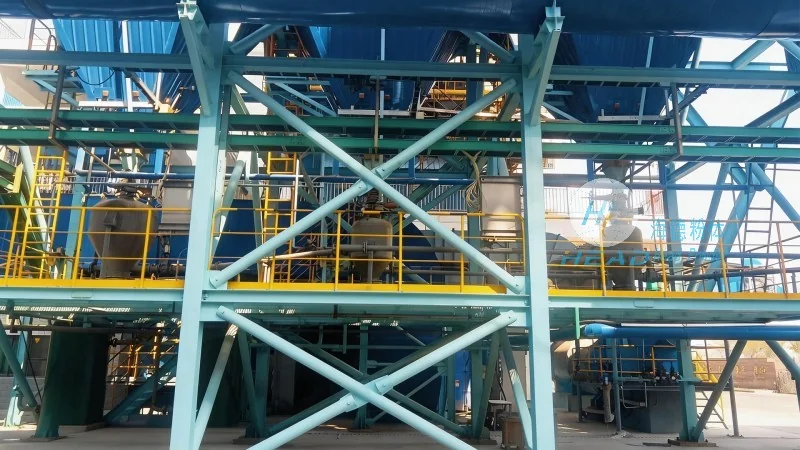
4. Environmental Considerations
Organic fertilizer material pneumatic conveying lines are designed with environmental considerations in mind. The systems are often equipped with dust collection and filtration systems to minimize air pollution and ensure compliance with environmental regulations. Additionally, the gentle handling of organic materials helps preserve their nutrient content, reducing the risk of nutrient loss during transportation.
Company Information: Shandong HeadPowder Engineering Co., Ltd.
Shandong HeadPowder Engineering Co., Ltd., a leading manufacturer in the field of pneumatic conveying systems, specializes in providing customized solutions for organic fertilizer material handling. With a focus on innovation and quality, the company has developed advanced pneumatic conveying lines that meet the specific needs of the organic fertilizer industry. HeadPowder's products are designed to enhance efficiency, reduce operational costs, and ensure the quality of organic materials throughout the conveying process. The company's headquarters is located in Shandong, China, where it continues to lead the industry with cutting-edge technology and expert engineering solutions.




