Principle and Working Scene Characteristics of Dry Sludge Material Pneumatic Conveying Lines
Release time:2026-09-20 01:01:35
name of the company:Shandong Headpowder Engineering Co., Ltd.
telephone:156-6277-7102
contacts:Zhang manager
HeadPowder, a leading engineering company based in Shandong, China, specializes in the design and implementation of advanced pneumatic conveying systems for dry sludge materials. This article delves into the fundamental principles behind these systems and highlights the key characteristics of their operational environments.
Understanding the Core Principle of Dry Sludge Pneumatic Conveying
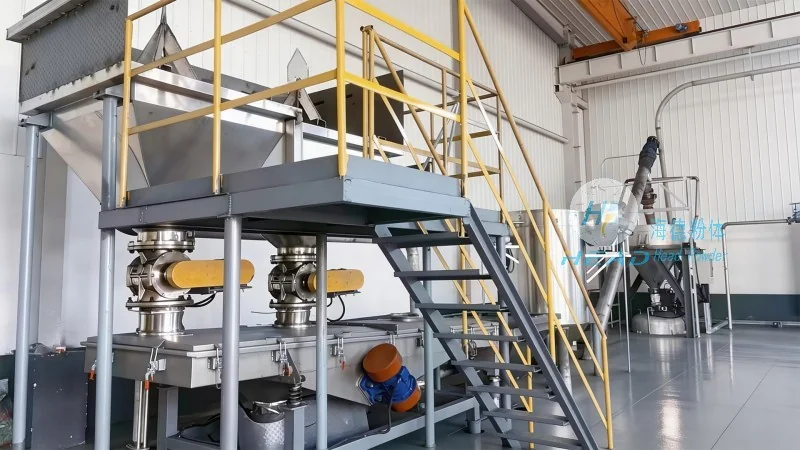
The dry sludge material pneumatic conveying line operates on the principle of transporting bulk materials through a pipeline using a stream of pressurized air or gas. Unlike traditional methods such as belt conveyors or screw conveyors, pneumatic systems rely on air flow to move the material, which is particularly advantageous for handling fine or dusty materials like dry sludge. The system typically consists of a hopper for material storage, a feeder to control the flow rate, a conveying pipe, and a receiver for the discharged material. The air is introduced at a controlled pressure, creating a flow that propels the sludge particles through the pipeline. This method ensures minimal material degradation, reduces the risk of contamination, and allows for flexible routing of the conveying line.
Key Working Scene Characteristics and Applications
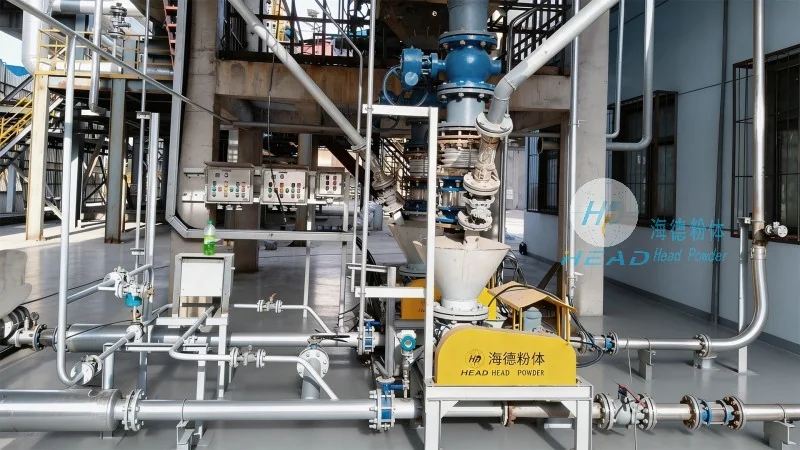
The operational characteristics of dry sludge pneumatic conveying lines are tailored to specific industrial scenarios where efficient and hygienic material transport is critical. These systems are commonly employed in wastewater treatment plants, where dry sludge is generated as a byproduct of the treatment process. The primary goal is to transport the dry sludge from the dewatering or drying stages to storage or disposal facilities without the need for manual handling. The working environment often involves high humidity and the presence of moisture, which necessitates the use of materials and designs that resist corrosion and maintain structural integrity. Additionally, the systems must be designed to handle varying particle sizes and densities, ensuring consistent performance under different operational conditions. The flexibility of the pneumatic line allows for integration with existing infrastructure, minimizing the need for extensive site modifications and reducing overall project costs.
Advantages and Technical Considerations in Real-World Implementations
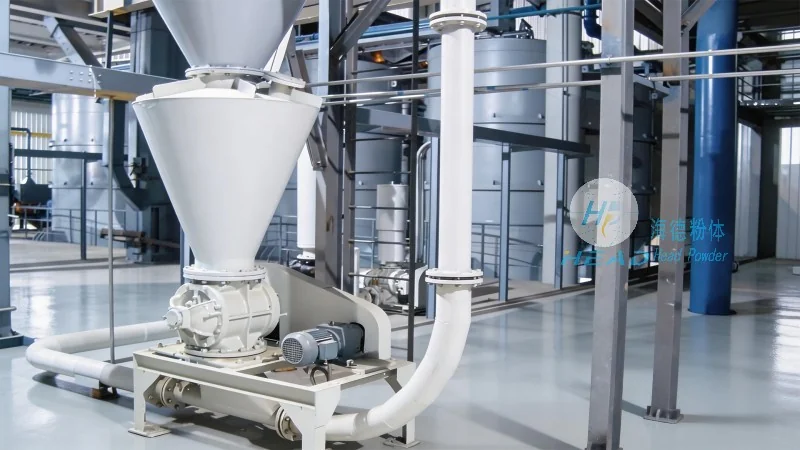
Implementing a dry sludge pneumatic conveying line offers several technical and operational advantages. The most significant benefit is the ability to transport materials over long distances with minimal maintenance requirements. The system’s enclosed pipeline design prevents dust emissions and contamination, aligning with environmental regulations and ensuring a clean working environment. Furthermore, the system can be easily scaled to accommodate changes in production volumes, providing flexibility for growing facilities. From a technical standpoint, the design must consider factors such as air pressure requirements, material flow rates, and the selection of appropriate materials for the conveying pipe and components. HeadPowder, with its expertise in engineering, ensures that these considerations are addressed through comprehensive design and testing phases, resulting in systems that meet both performance and safety standards. The company’s experience in the field allows for the optimization of system parameters to maximize efficiency while minimizing energy consumption, making the technology both effective and sustainable for long-term use.




