

What is a Plug-Type Powder Conveying System? What are its Design Principles?
Plug-type powder conveying systems represent a sophisticated approach to handling bulk powders in industrial settings. These systems are designed to transport powders in a controlled manner, ensuring minimal product degradation and efficient material flow. The core concept involves creating a "plug" or a solid slug of material that moves through the conveying line, separated from the air by a sealing mechanism. This method is particularly effective for materials that are prone to caking, bridging, or segregation, making it a preferred choice in various industries such as pharmaceuticals, food processing, and chemical manufacturing.
Company Overview: HeadPowder
HeadPowder, or Shandong HeadPowder Engineering Co., Ltd., is a leading manufacturer specializing in advanced powder handling solutions. With operations based in Shandong, China, the company has established itself as a trusted provider of high-quality conveying equipment. HeadPowder's expertise lies in developing systems that meet stringent industry standards, ensuring reliability, efficiency, and safety in powder transport processes. The company's commitment to innovation and customer satisfaction has positioned it as a key player in the global powder handling market.
Design Principles of Plug-Type Powder Conveying Systems
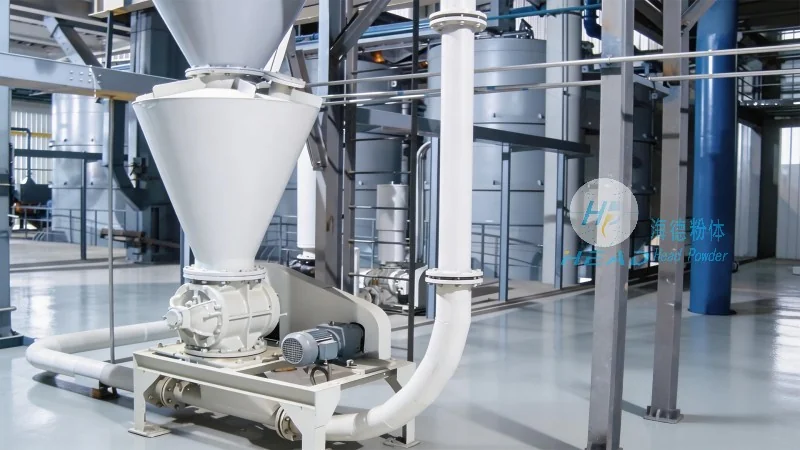
The design of a plug-type powder conveying system is centered on several critical principles that ensure optimal performance. The primary goal is to maintain a stable, continuous flow of material while preventing air from entering the conveying line, which could lead to product degradation or uneven distribution. The system typically consists of a hopper or feeder that introduces the powder into the conveying pipe, followed by a sealing device that creates the plug. This sealing device can be mechanical, such as a sliding gate or a rotary valve, or pneumatic, using compressed air to maintain the plug's integrity.
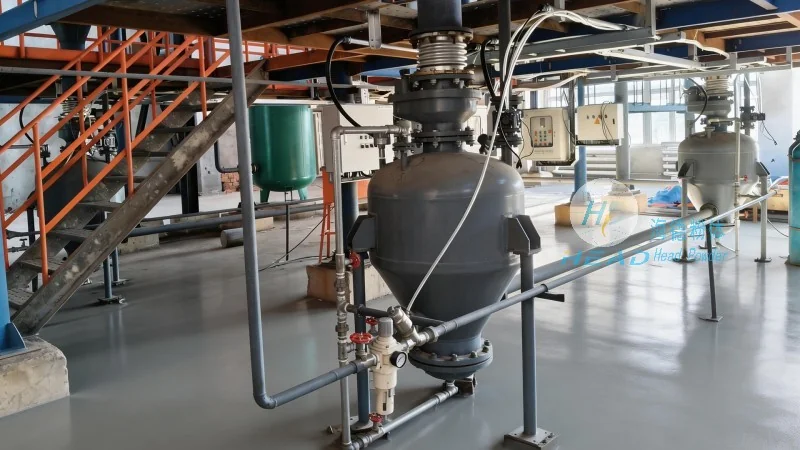
One of the key design considerations is the selection of appropriate materials for the conveying components. The pipes, hoppers, and seals must be made from materials that are compatible with the specific powder being handled, preventing contamination or material degradation. For example, in pharmaceutical applications, stainless steel or food-grade materials are often used to ensure product purity. Additionally, the system's design must account for the powder's flow properties, including its angle of repose, bulk density, and cohesive behavior. These factors are crucial in determining the optimal conveying speed and pressure to maintain a stable plug.
Key Components and Their Functions
A plug-type powder conveying system comprises several essential components, each playing a vital role in the overall operation. The hopper or feeder is the first component, responsible for storing and feeding the powder into the conveying line. It is designed to maintain a consistent flow rate, preventing overloading or underloading of the system. The conveying pipe is the main channel through which the powder travels, typically made from materials like stainless steel or polyethylene to withstand the abrasive nature of the powder and resist corrosion.
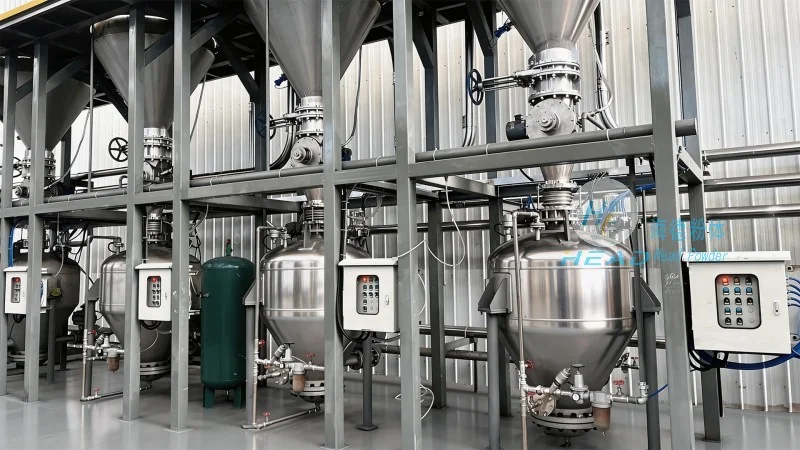
The sealing device is a critical component that creates and maintains the plug. This device can be a sliding gate, a rotary valve, or a pneumatic seal. The sliding gate mechanism uses a mechanical seal to separate the powder plug from the air, while the rotary valve rotates to create a seal. Pneumatic seals use compressed air to maintain the plug's integrity, ensuring a tight seal and preventing air ingress. The pressure control system is another essential component, regulating the pressure within the conveying line to maintain the plug's stability. This system ensures that the pressure is sufficient to move the powder plug but not excessive, which could cause the plug to break or the system to fail.
Advantages of Plug-Type Powder Conveying Systems
Plug-type powder conveying systems offer several advantages over traditional pneumatic conveying methods. One of the primary benefits is the ability to handle a wide range of powder types, including those that are cohesive, abrasive, or prone to caking. Unlike traditional systems that rely on air to transport the powder, plug-type systems use a combination of pressure and mechanical sealing, which reduces the risk of product degradation and ensures a more consistent flow. Another advantage is the lower energy consumption compared to other conveying methods. By minimizing the amount of air used and maintaining a stable plug, the system operates more efficiently, reducing operational costs.
Additionally, plug-type systems are more flexible in terms of layout and installation. They can be configured to handle long distances and complex routes, making them suitable for large-scale industrial applications. The system's design also allows for easy integration with other processing equipment, such as mixers, classifiers, or packaging machines. This integration enhances overall process efficiency and reduces the need for manual handling, improving safety and productivity.
Applications in Various Industries
Plug-type powder conveying systems are widely used in various industries due to their versatility and effectiveness. In the pharmaceutical industry, these systems are used to transport active pharmaceutical ingredients (APIs) and excipients, ensuring that the powders are handled in a sterile and controlled environment. The systems are designed to prevent contamination and maintain product purity, which is critical in pharmaceutical manufacturing. In the food processing industry, plug-type systems are used to convey ingredients such as flour, sugar, and spices, ensuring that the products are handled hygienically and without degradation.
In the chemical industry, these systems are used to transport chemicals, including powders that are abrasive or corrosive. The systems are designed to withstand the harsh conditions of chemical processing, with components made from materials that are resistant to corrosion and wear. The plug-type design also helps to prevent dust emissions, which is important for maintaining a safe working environment. In the mining and mineral processing industry, plug-type systems are used to transport raw materials such as ores and minerals, improving the efficiency of the extraction and processing operations.