Welcome to the official website of Shandong HeadPowder Engineering Co., Ltd., a leading manufacturer specializing in pneumatic conveying equipment. In this article, we will explore the concept of a dry sand pneumatic conveying system, its fundamental design principles, and how it operates to efficiently transport dry materials like sand. As a company dedicated to providing high-quality engineering solutions, HeadPowder aims to deliver reliable and efficient equipment for various industrial applications.
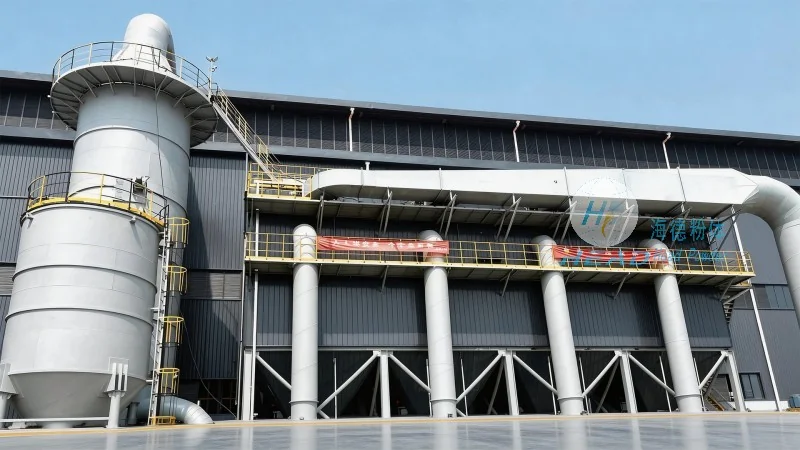
Understanding Dry Sand Pneumatic Conveying Systems
A dry sand pneumatic conveying system is a type of equipment used to transport dry bulk materials, such as sand, through a pipeline using air or gas as the conveying medium. Unlike traditional methods like belt conveyors or bucket elevators, pneumatic conveying systems use the force of compressed air to move materials from one location to another without direct contact between the material and the conveying equipment. This method is particularly effective for handling fine, dry powders and granular materials like sand, which can be prone to dust and clogging in other systems.
Key Components of a Dry Sand Pneumatic Conveying System
The design of a dry sand pneumatic conveying system typically includes several critical components that work together to ensure efficient material transport. These components are carefully engineered to handle the specific characteristics of dry sand, such as its particle size, density, and flowability. The main components include:
1. Air Supply Unit: This component generates the necessary compressed air or gas to create the pressure differential required for conveying. It may consist of a compressor, air dryer, and filter to ensure the air is clean and dry, preventing moisture from affecting the sand quality.
2. Inlet Hopper and Feeder: The inlet hopper is where the dry sand is loaded into the system. The feeder, often a rotary valve or screw feeder, controls the flow rate of the sand into the pipeline, ensuring a consistent and controlled feed.
3. Pipeline System: The pipeline is the main conduit through which the sand is conveyed. It is typically made of materials like stainless steel or plastic, chosen for their resistance to corrosion and wear from the sand particles. The pipeline may include bends, elbows, and straight sections to guide the material to the desired destination.
4. Receiver or Discharge Unit: The receiver is where the sand is deposited after being conveyed through the pipeline. It may include a hopper or tank to collect the material and a discharge valve to control the release of the sand.
5. Control System: The control system monitors and regulates the operation of the pneumatic conveying system. It may include sensors to measure pressure, flow rate, and material level, as well as controls to adjust the air supply and feeder speed as needed.
Design Principles for Efficient Dry Sand Conveying
The design of a dry sand pneumatic conveying system is based on several key principles to ensure optimal performance and efficiency. These principles are tailored to the specific properties of dry sand and the requirements of the application. The primary design considerations include:
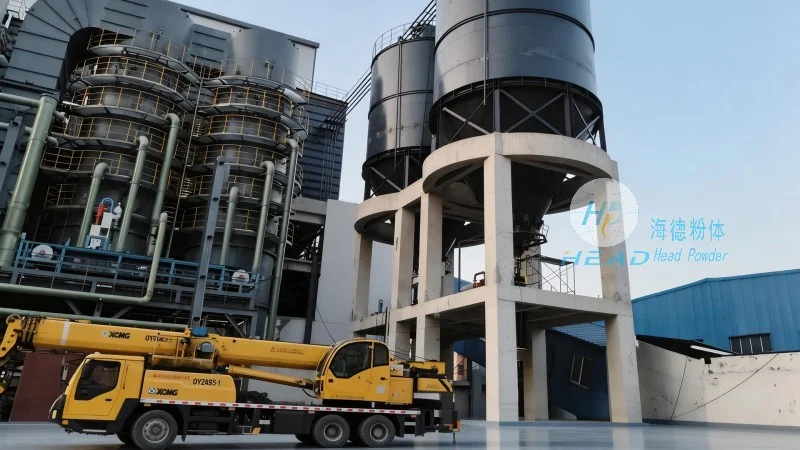
1. Pressure and Flow Rate: The system is designed to maintain a sufficient pressure differential to overcome the resistance of the pipeline and the material's friction. The flow rate is adjusted to prevent excessive pressure drops or material buildup in the pipeline.
2. Particle Size and Density: The design takes into account the particle size distribution and density of the sand. Larger particles may require higher air velocities to ensure proper suspension, while smaller particles may need lower velocities to avoid excessive wear on the pipeline.
3. Material Flowability: The system is engineered to handle the flowability of dry sand, which can vary depending on moisture content and particle shape. Proper design ensures that the material flows smoothly without clogging or bridging in the hopper or pipeline.
4. Energy Efficiency: The design aims to minimize energy consumption by optimizing the air supply and reducing pressure losses in the pipeline. This includes using efficient compressors and selecting the appropriate pipeline diameter and length.
How Dry Sand Pneumatic Conveying Works
The operation of a dry sand pneumatic conveying system involves several steps that work in sequence to transport the material. The process typically begins with the loading of dry sand into the inlet hopper. The feeder then controls the flow of sand into the pipeline, where it is mixed with the compressed air from the air supply unit. The air and sand mixture is then propelled through the pipeline by the pressure differential created by the compressor.
As the mixture travels through the pipeline, the sand particles are suspended in the air stream. The velocity of the air is maintained at a level sufficient to keep the particles in suspension, preventing them from settling or clogging the pipeline. The pipeline may include bends and changes in direction, which are designed to minimize the impact on the material flow and maintain the pressure differential.
Upon reaching the receiver or discharge unit, the air and sand mixture is separated. The air is typically filtered and vented to the atmosphere, while the sand is collected in the receiver. The control system continuously monitors the process, adjusting the air supply and feeder speed as needed to maintain the desired flow rate and pressure.
Applications of Dry Sand Pneumatic Conveying Systems
Dry sand pneumatic conveying systems are widely used in various industries due to their ability to efficiently transport dry bulk materials. Some common applications include:
1. Construction and Mining: In the construction industry, these systems are used to transport sand from storage facilities to construction sites. In mining operations, they are used to move sand and other minerals from the mine to processing plants.
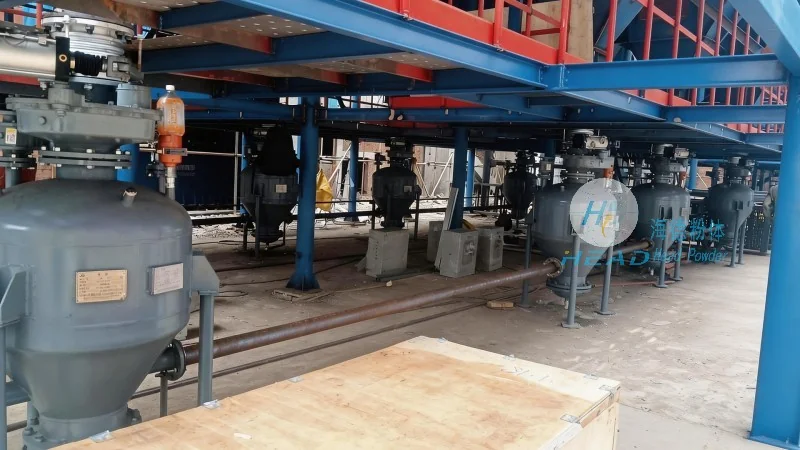
2. Manufacturing and Processing: In manufacturing facilities, dry sand is often used as a raw material in processes such as casting, molding, and abrasive blasting. Pneumatic conveying systems are used to transport the sand to these processes efficiently.
3. Environmental and Waste Management: These systems are used to transport sand for land reclamation projects or to manage waste materials in industrial settings.
Advantages of Using Dry Sand Pneumatic Conveying Systems
There are several advantages to using dry sand pneumatic conveying systems over traditional methods. These advantages make them a preferred choice for many industrial applications:
1. Efficiency and Speed: Pneumatic conveying systems can transport dry sand quickly and efficiently over long distances, reducing the time and labor required for material handling.
2. Low Maintenance: Compared to other conveying systems, pneumatic conveying systems have fewer moving parts and are less prone to wear and tear, resulting in lower maintenance costs.
3. Clean and Hygienic: The enclosed pipeline system prevents dust and particles from escaping into the environment, making it ideal for applications where cleanliness is critical.
4. Flexibility: Pneumatic conveying systems can be easily adapted to different applications and distances by adjusting the pipeline length and diameter.
Conclusion
A dry sand pneumatic conveying system is a highly efficient and reliable method for transporting dry bulk materials like sand. The design principles and components work together to ensure optimal performance, energy efficiency, and material handling. As a leading manufacturer, Shandong HeadPowder Engineering Co., Ltd. specializes in providing customized pneumatic conveying solutions tailored to the specific needs of our clients. By understanding the design principles and operation of these systems, industries can benefit from improved productivity, reduced costs, and enhanced safety in their material handling processes.




