

Principle and Working Scene Characteristics of Polycarbonate Material Pneumatic Conveying Equipment
Polycarbonate material pneumatic conveying equipment is a specialized system designed to transport polycarbonate powders or granules efficiently through an air stream. This technology offers a clean, dust-free, and low-cost method for material handling, making it ideal for various industrial applications where traditional mechanical conveyors may not be suitable.
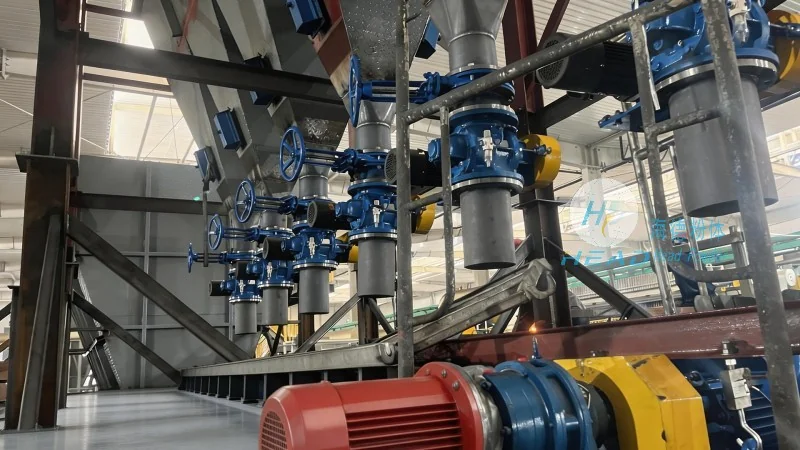
Principle of Pneumatic Conveying for Polycarbonate
The core principle of polycarbonate pneumatic conveying involves using compressed air to create a flow that transports the material from a source to a destination. The system typically consists of a hopper, a blower or compressor, a pipeline, and a discharge device. As air is introduced into the hopper, it lifts the polycarbonate particles and propels them through the pipeline. The velocity and pressure of the air are carefully controlled to ensure stable and efficient transport, minimizing material degradation and loss. This method is particularly effective for handling fine or abrasive polycarbonate powders, as it reduces friction and impact compared to mechanical systems.
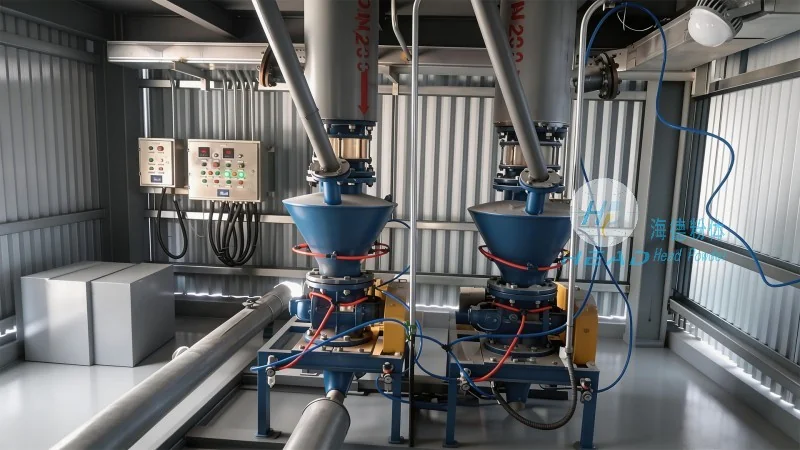
Working Scene Characteristics of Polycarbonate Pneumatic Conveying Equipment
Polycarbonate pneumatic conveying equipment is widely used in industrial settings where precision and cleanliness are paramount. The working scene characteristics include:
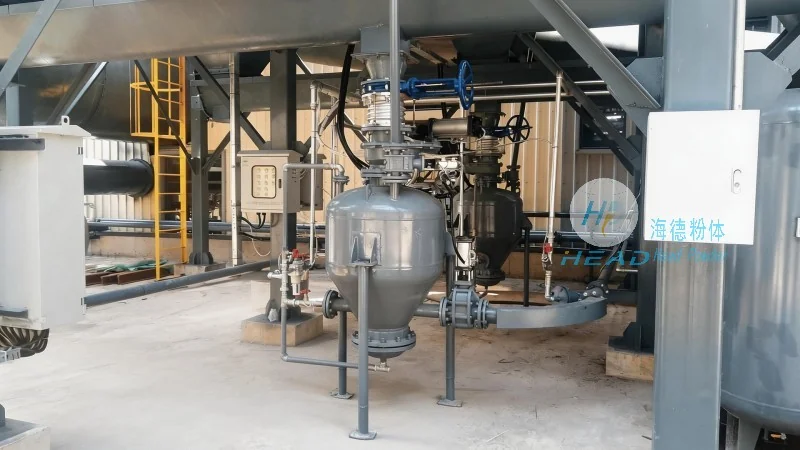
- High-Purity Environments: In pharmaceutical, food, and electronics industries, the equipment operates in clean rooms or controlled environments, ensuring that the polycarbonate material remains free from contaminants. The enclosed system prevents dust and particles from escaping, maintaining product quality and regulatory compliance.
- Space Efficiency: Unlike traditional belt or screw conveyors, pneumatic systems require less floor space and can be installed in vertical or horizontal configurations, making them suitable for facilities with limited room. The compact design allows for flexible layout adjustments without disrupting production lines.
- Low Maintenance and Cost: Pneumatic conveying systems have fewer moving parts compared to mechanical conveyors, reducing the risk of wear and tear and lowering maintenance costs. The initial investment may be higher, but the long-term operational expenses are generally lower due to reduced downtime and material handling costs.
- Versatility in Material Handling: The equipment can handle a wide range of polycarbonate particle sizes, from fine powders to coarse granules. It is adaptable to different production processes, such as blending, mixing, and packaging, providing a seamless integration into existing workflows.
Application Examples in Real-World Scenarios
Shandong HeadPowder Engineering Co., Ltd. has successfully implemented polycarbonate pneumatic conveying systems in various industrial applications. For instance, in a plastic manufacturing plant, the equipment was used to transport polycarbonate granules from storage silos to injection molding machines. The system ensured a consistent flow rate, preventing material buildup and maintaining production efficiency. In another case, a medical device manufacturer utilized the equipment to convey polycarbonate powders for the production of surgical components, where the high-purity environment was critical to meet regulatory standards.
Key Features and Advantages for Industrial Users
When evaluating polycarbonate pneumatic conveying equipment, industrial users should consider several key features that enhance performance and reliability. These include:
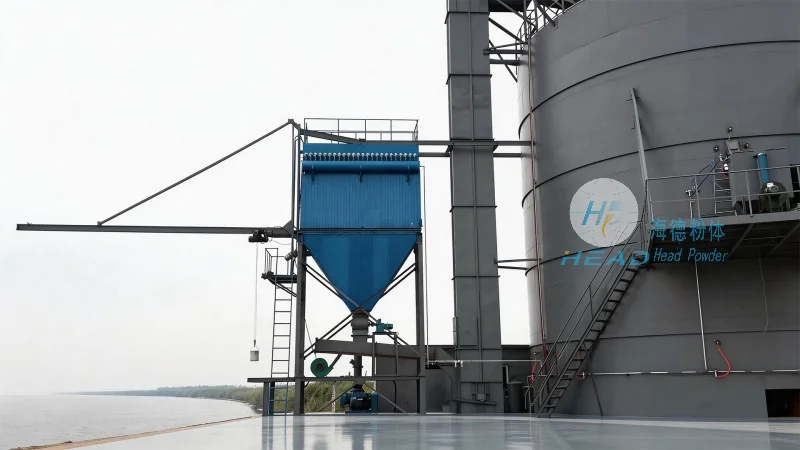
- Advanced Blower Technology: High-efficiency blowers with variable speed control allow for precise adjustment of air pressure and flow, optimizing material transport while minimizing energy consumption.
- Material-Specific Hopper Design: Custom-designed hoppers with smooth internal surfaces prevent polycarbonate particles from adhering or agglomerating, ensuring consistent material flow and reducing blockages.
- Integrated Filtration Systems: The equipment includes high-efficiency filters that capture fine particles, preventing dust from escaping into the environment and protecting downstream equipment from contamination.
- Modular and Scalable Design: The systems are modular, allowing for easy expansion or modification as production needs change. This flexibility helps companies adapt to growing demand without significant capital investment.
Conclusion and Company Overview
Polycarbonate material pneumatic conveying equipment, as offered by Shandong HeadPowder Engineering Co., Ltd., represents a reliable and efficient solution for handling polycarbonate powders and granules in industrial settings. By leveraging advanced pneumatic technology, the equipment provides clean, low-maintenance, and versatile material transport, meeting the demands of modern manufacturing processes. With a focus on quality and innovation, HeadPowder continues to provide tailored solutions that enhance productivity and compliance in various industries.