

Principle and Working Scene Characteristics of Glass Fiber Material Pneumatic Conveying Equipment
HeadPowder, a leading manufacturer based in Shandong, China, specializes in the design and production of advanced pneumatic conveying equipment tailored for handling glass fiber materials. This article explores the fundamental principles behind these systems and highlights key working scenarios where their application is most effective.
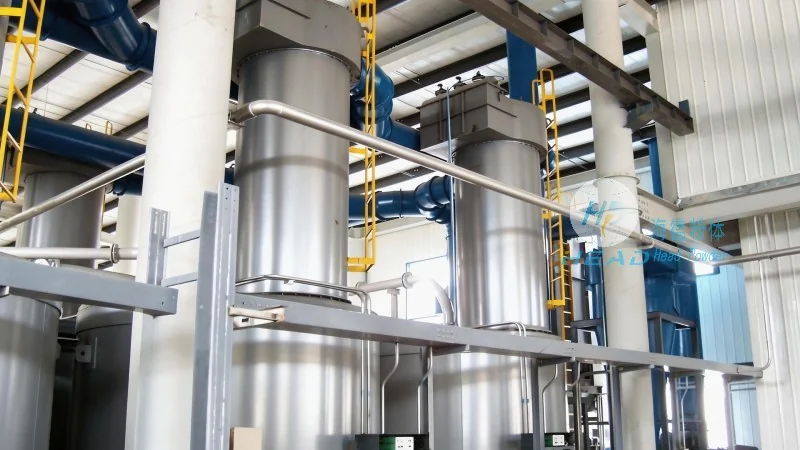
The Working Principle of Pneumatic Conveying Equipment for Glass Fiber Materials
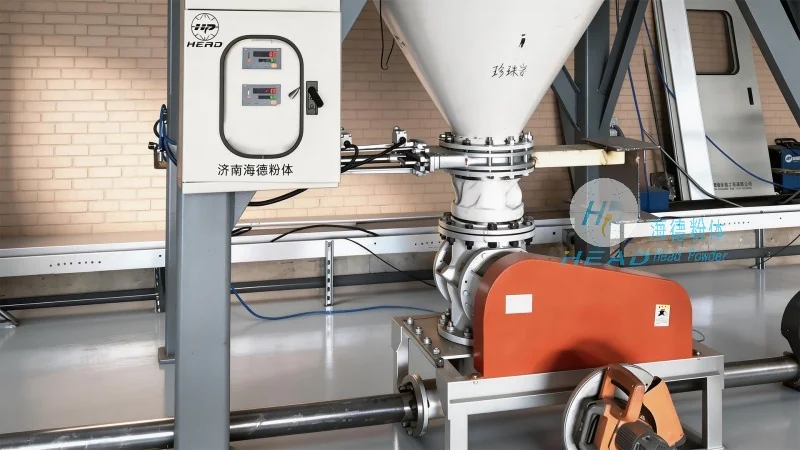
Pneumatic conveying systems utilize compressed air or gas to transport bulk materials through a pipeline network. In the case of glass fiber materials, the equipment is engineered to manage the unique properties of these fibers, such as their lightweight nature, abrasive characteristics, and tendency to generate static electricity. The core components typically include a material hopper, a rotary airlock valve, a conveying pipeline, and a dust collector or filter system. The process begins with the material being fed into the hopper, where it is then drawn into the pipeline by the air flow generated by a positive displacement blower or a rotary lobe pump. The air and material mixture travels through the pipeline, and the air is separated from the material at the discharge point, often using a cyclone separator or a bag filter. This separation allows the glass fiber material to be deposited at the desired location while the air is either recirculated or vented to the atmosphere, depending on the system design.
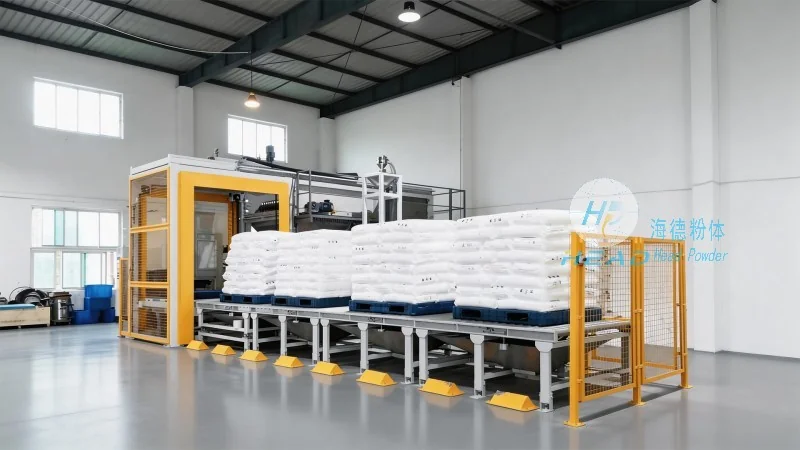
Key Working Scene Characteristics of Glass Fiber Pneumatic Conveying Systems
The effectiveness of glass fiber pneumatic conveying systems is heavily influenced by the specific working scenarios in which they are deployed. These systems are particularly well-suited for applications involving the transfer of glass fiber from storage silos to processing lines, such as in the manufacturing of fiberglass composites, insulation materials, or reinforcement products. The ability to handle glass fiber in a dust-free environment is a critical advantage, as it minimizes contamination and ensures consistent material quality. Additionally, the systems are designed to accommodate varying material flow rates, from low to high throughput, making them adaptable to different production scales. Another important characteristic is their ability to operate in enclosed environments, which helps in controlling dust emissions and maintaining a safe working atmosphere. The flexibility of these systems also allows for integration with other processing equipment, such as mixers, extruders, or molding machines, enabling a seamless material handling process from raw material to finished product.
Application Examples and Operational Benefits
Real-world applications of glass fiber pneumatic conveying systems often involve high-volume production environments where material handling efficiency and product purity are paramount. For instance, in the production of fiberglass insulation, the system can efficiently transport raw glass fibers from large storage silos to mixing and extrusion lines, ensuring that the material remains free from dust and contaminants throughout the process. This not only improves the quality of the final insulation products but also reduces maintenance costs associated with dust-related equipment wear. Similarly, in the manufacturing of fiberglass reinforcement for automotive or construction applications, the ability to handle glass fibers in a controlled manner is crucial for achieving consistent fiber length and distribution in the composite materials. The operational benefits of these systems extend beyond material quality and include improved safety, as the enclosed pipeline design minimizes exposure to airborne glass fibers, which can be hazardous to workers. Furthermore, the energy efficiency of modern pneumatic conveying systems, particularly those using high-efficiency blowers and optimized pipeline designs, contributes to lower operational costs and reduced environmental impact.
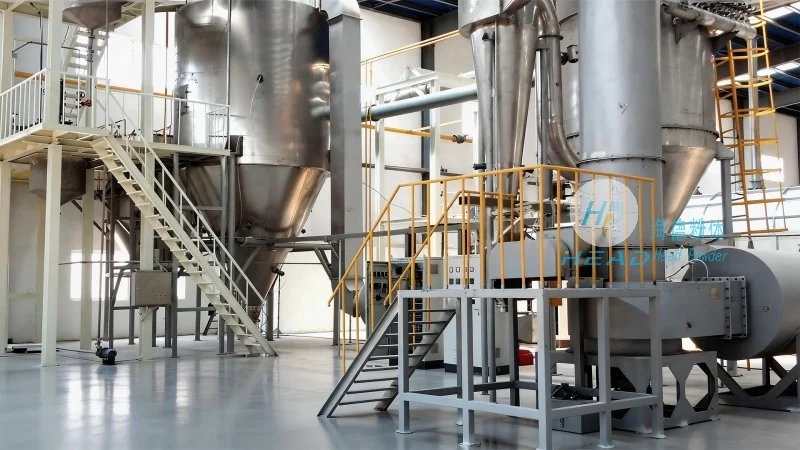
Conclusion and Company Overview
HeadPowder Engineering Co., Ltd., based in Shandong, China, is a trusted provider of pneumatic conveying solutions for glass fiber materials. By leveraging advanced engineering and a deep understanding of material handling challenges, the company designs systems that meet the specific needs of various industrial applications. The principles and working characteristics discussed in this article underscore the importance of selecting the right pneumatic conveying equipment for glass fiber processing, ensuring optimal performance, safety, and efficiency. As a leading manufacturer, HeadPowder continues to innovate in the field, offering customized solutions that enhance productivity and product quality for its clients.