

Principles and Working Scene Characteristics of Colored Sand Powder Conveying
HeadPowder, a leading enterprise in the field of powder engineering, specializes in the research, development, and application of colored sand powder conveying systems. Based in Shandong, China, the company has established itself as a key player in providing efficient and reliable solutions for the transportation of colored sand powders, which are widely used in various industries such as construction, decoration, and manufacturing.
Understanding the Core Principles of Colored Sand Powder Conveying
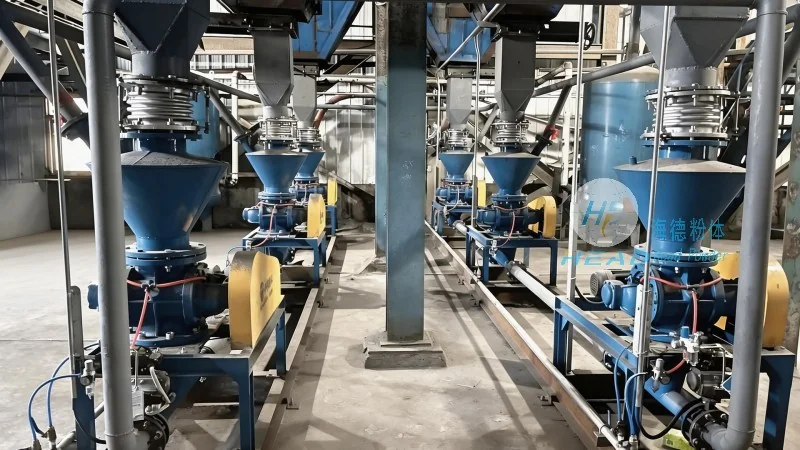
Colored sand powder conveying involves the movement of fine, granular materials like colored sand from one location to another. The process relies on several fundamental principles to ensure smooth and efficient operation. At its core, the conveying system utilizes mechanical forces, including gravity, pressure, and air flow, to transport the powder. For instance, pneumatic conveying systems, which use compressed air to move the powder through pipes, are commonly employed for colored sand due to their ability to handle fine particles without causing excessive wear or clogging. Additionally, mechanical conveying methods like screw conveyors or belt conveyors may be used for bulkier or less abrasive powders, though these are less common for colored sand due to the risk of particle degradation or color mixing.
The selection of the appropriate conveying method depends on factors such as the particle size, density, and moisture content of the colored sand, as well as the distance and layout of the conveying route. For short distances and low volumes, gravity-fed systems may suffice, where the powder flows down a sloped pipe under its own weight. However, for longer distances or higher throughput, pneumatic systems offer greater flexibility and control. The choice of conveying system also impacts the overall efficiency and cost-effectiveness of the operation, as different methods have varying energy consumption and maintenance requirements.
Key Working Scene Characteristics of Colored Sand Powder Conveying
Colored sand powder conveying systems are designed to operate in diverse working environments, each with its own unique characteristics and requirements. The primary working scene characteristics include the need for precise control over particle flow, minimal dust generation, and the ability to handle varying particle sizes without compromising system performance. In construction and decoration applications, for example, colored sand is often used to create decorative surfaces or to mix with other materials for concrete or mortar. The conveying system must therefore ensure that the colored sand is delivered to the mixing point with consistent color and particle size, avoiding any segregation or clumping that could affect the final product quality.
In manufacturing settings, colored sand may be used as a raw material for producing coated products, such as metal or plastic components. The conveying system in this scenario must maintain the integrity of the powder, preventing contamination or degradation that could affect the coating process. This often requires the use of closed-loop systems with filtration and cleaning mechanisms to ensure the powder remains pure throughout the conveying process. Furthermore, the working scene may involve multiple stages of processing, such as blending, drying, and packaging, each requiring a specialized conveying solution to maintain the quality and consistency of the colored sand.
Application Scenarios and Industry-Specific Requirements
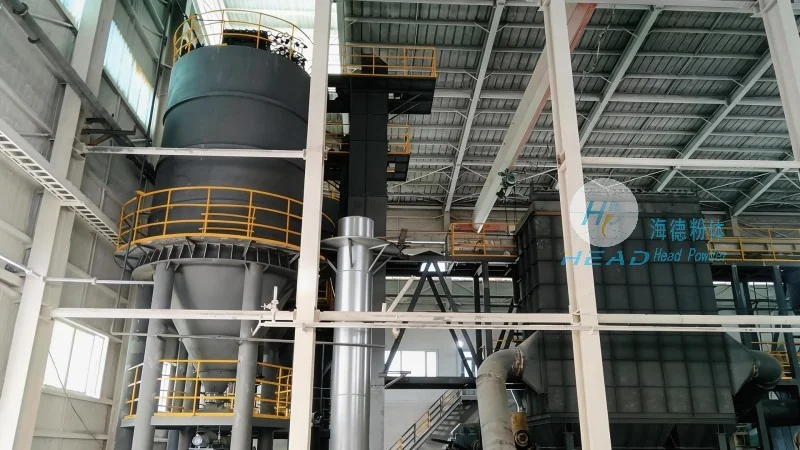
The working scene characteristics of colored sand powder conveying vary significantly across different industries, reflecting the diverse applications of colored sand in modern production. In the construction industry, the primary application is in decorative concrete and masonry, where colored sand is mixed with cement to create patterned or colored surfaces. The conveying system must be capable of handling large volumes of colored sand over long distances, often from storage silos to mixing plants. This requires robust and reliable equipment that can withstand the abrasive nature of the sand particles and the high throughput demands of construction projects.
In the decoration and art industry, colored sand is used for creating murals, sculptures, and other artistic pieces. The conveying system in this context needs to provide precise control over the powder flow, allowing artists to mix different colored sands in specific ratios to achieve desired color blends. The system must also be flexible enough to accommodate small batches and varying particle sizes, as artists often work with unique color combinations and textures. Additionally, the working environment may be more controlled, such as in a studio or workshop, where the system needs to minimize dust and noise to maintain a comfortable working space.
In the manufacturing industry, particularly in the production of coated products or specialized materials, colored sand is used as a functional component. For example, in the automotive or electronics sectors, colored sand may be used to create anti-corrosive coatings or to enhance the aesthetic appeal of components. The conveying system must meet stringent quality standards, ensuring that the powder is free from impurities and that the flow rate is consistent. This often involves the use of advanced control systems and sensors to monitor the conveying process in real-time, allowing for immediate adjustments if any deviations occur.
Technological Advancements and Future Trends in Colored Sand Powder Conveying
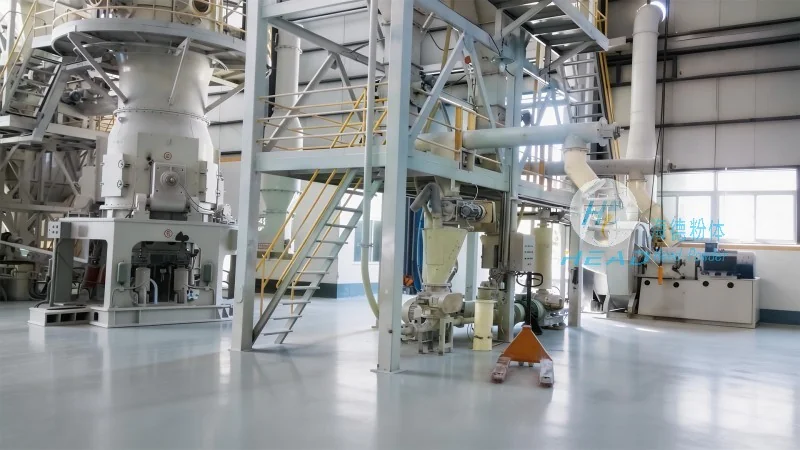
As the demand for colored sand and its applications continues to grow, technological advancements are shaping the future of powder conveying systems. Modern systems now incorporate intelligent control technologies, such as PLC (Programmable Logic Controller) systems and IoT (Internet of Things) sensors, to enhance monitoring and automation. These technologies enable real-time tracking of powder flow rates, pressure levels, and particle quality, allowing for proactive maintenance and optimization of the conveying process. Additionally, the development of more efficient and eco-friendly conveying methods, such as low-pressure pneumatic systems and vacuum-assisted conveying, is reducing energy consumption and environmental impact.
Another trend is the integration of automation and robotics in powder handling processes. Automated conveying systems can handle repetitive tasks with high precision, reducing human error and increasing productivity. For example, robotic arms equipped with suction cups can pick up colored sand particles and transfer them to different locations, ensuring consistent quality and minimizing labor costs. Furthermore, the use of advanced materials in conveyor components, such as wear-resistant coatings and corrosion-resistant metals, is extending the lifespan of the equipment and reducing maintenance costs.
Looking ahead, the future of colored sand powder conveying is likely to focus on sustainability and efficiency. Companies like Shandong HeadPowder Engineering Co., Ltd. are investing in research and development to create more energy-efficient systems and to explore alternative materials that are more environmentally friendly. The integration of artificial intelligence and machine learning in conveying systems may also enable predictive maintenance, where the system can anticipate potential failures and schedule repairs before they occur, further improving operational reliability.
Conclusion: The Role of HeadPowder in Advancing Colored Sand Powder Conveying
Colored sand powder conveying is a critical process in various industries, and the efficiency and reliability of the conveying system directly impact the quality and cost of the final products. HeadPowder, with its expertise in powder engineering and its base in Shandong, China, plays a vital role in providing advanced solutions for this process. By leveraging technological advancements and adhering to industry best practices, the company ensures that its conveying systems meet the diverse needs of its clients, from construction and decoration to manufacturing and beyond. As the demand for colored sand continues to evolve, HeadPowder remains committed to innovation, working to develop more efficient, sustainable, and reliable conveying solutions that support the growth of its clients and the industries they serve.