Industrial salt, a critical raw material in sectors such as chemical manufacturing, food processing, and water treatment, demands efficient and reliable transportation solutions to maintain seamless production workflows. Pneumatic conveying systems have become a preferred method for handling industrial salt due to their ability to transport bulk materials over extended distances with minimal human intervention. This article delves into the working principle and key characteristics of industrial salt material pneumatic conveying systems, offering a comprehensive understanding of how these systems operate and the advantages they provide in industrial applications.
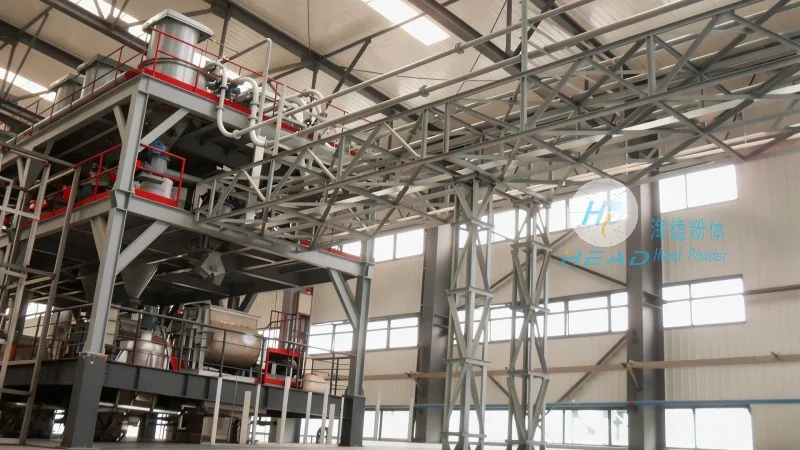
Working Principle of Industrial Salt Material Pneumatic Conveying Systems
The fundamental operation of a pneumatic conveying system involves utilizing compressed air or gas to move solid materials like industrial salt through a pipeline. The system typically operates on one of two primary mechanisms: the suction (vacuum) method and the pressure (positive) method. In the suction method, a vacuum is created at the material intake point, drawing industrial salt particles into the pipeline alongside the air. This approach is well-suited for short to medium-distance transport and is often employed when the material is sourced from multiple collection points. Conversely, the pressure method forces compressed air through the pipeline, pushing the industrial salt from a storage silo or hopper to the destination. This method is ideal for longer distances and higher material flow rates.
When dealing with industrial salt, which commonly consists of fine or granular particles, the system design must consider factors like particle size distribution, moisture content, and the potential for caking. The conveying line is equipped with essential components including rotary valves, airlocks, and filters to ensure consistent material flow and prevent blockages. The air velocity within the pipeline is meticulously controlled to keep the material in a suspended state, preventing deposition and ensuring efficient transport. Additionally, the system may incorporate features such as pulse jets or rotary airlocks to maintain flow and separate the material from the air at the discharge point.
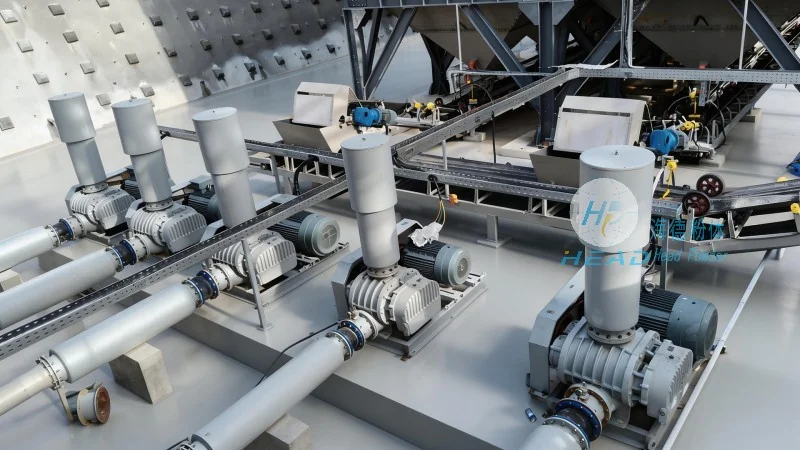
Key Features of Industrial Salt Material Pneumatic Conveying Systems
Industrial salt material pneumatic conveying systems offer several distinct advantages that make them a preferred choice in industrial settings. One of the primary features is their ability to handle bulk materials with minimal dust generation compared to traditional mechanical conveying methods. The enclosed pipeline design helps contain the salt particles, reducing airborne dust and enhancing workplace safety. This is particularly important in environments where dust can affect equipment performance or pose health risks.
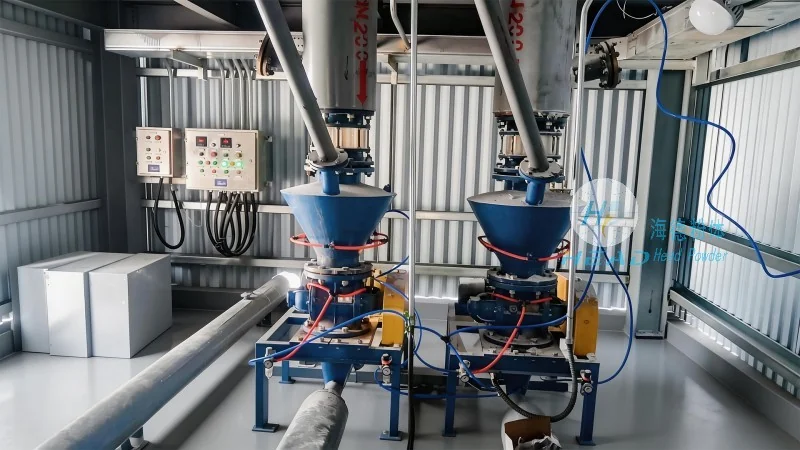
Another significant feature is the flexibility in system layout. Pneumatic conveying systems can be configured to follow complex routes, including vertical and horizontal segments, without requiring extensive structural modifications. This adaptability allows for integration into existing industrial facilities or new plant designs, accommodating varying production needs and space constraints. The systems also provide a high degree of automation, with controls that regulate air pressure, flow rate, and material feed, ensuring consistent performance and reducing the need for manual adjustments.
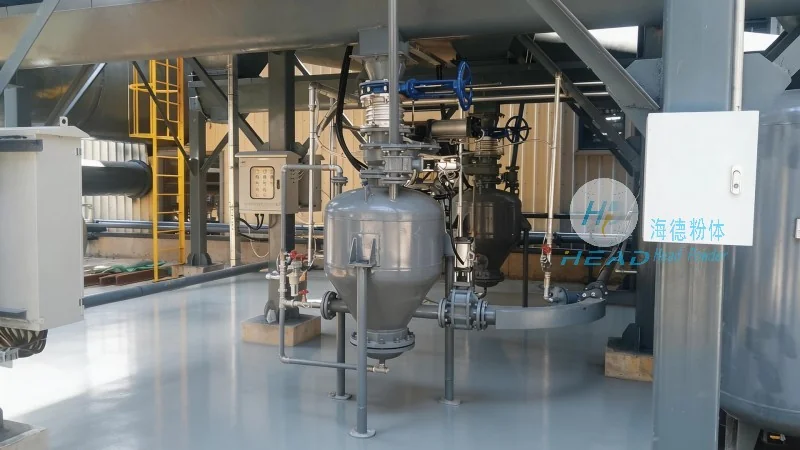
Efficiency and cost-effectiveness are additional key features. By eliminating the need for multiple transfer points or conveyor belts, pneumatic systems can reduce energy consumption and maintenance costs over time. The enclosed design also minimizes material loss and contamination, which is critical for industrial salt applications where purity is essential. Furthermore, the systems can be scaled to handle varying material volumes, from small batches to continuous production flows, making them versatile for different industrial processes.
About Shandong HeadPowder Engineering Co., Ltd.
Shandong HeadPowder Engineering Co., Ltd., a leading provider of bulk material handling solutions, specializes in designing and manufacturing pneumatic conveying systems tailored to the unique requirements of industrial salt applications. With a focus on innovation and customer-centric solutions, the company has established itself as a trusted partner in the chemical and processing industries. HeadPowder's systems are engineered to meet the specific challenges of handling industrial salt, including its granular nature, potential for moisture-related issues, and the need for dust-free operation. The company's headquarters is located in Shandong, China, where it leverages advanced technology and local expertise to deliver high-quality, reliable equipment that enhances operational efficiency and safety for its clients.




