For industries dealing with polyolefin materials, efficient material handling is crucial for maintaining production efficiency and operational safety. The pneumatic conveying system, a key technology in material transport, offers a reliable solution for transporting polyolefin powders and granules. This article, presented by Shandong HeadPowder Engineering Co., Ltd. (headpowder), will explore the working principle and key features of such systems, providing insights into their application and benefits.
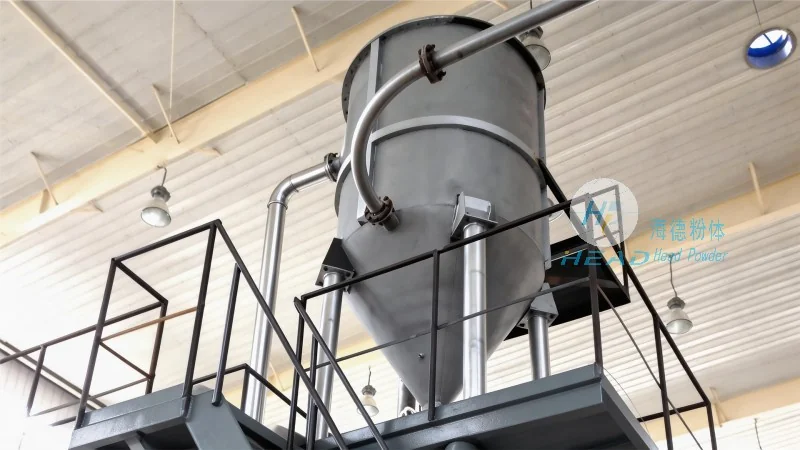
Introduction to Polyolefin Pneumatic Conveying Systems
Polyolefin materials, including polyethylene (PE) and polypropylene (PP), are widely used in various industries such as plastics manufacturing, chemical processing, and food processing. These materials are often in the form of powders or granules, which require specialized handling due to their properties like low bulk density and potential for dust generation. Pneumatic conveying systems address these challenges by using air or gas to transport the material from one location to another, eliminating the need for mechanical components like belts or buckets.
Working Principle of Polyolefin Pneumatic Conveying Systems
The core of a polyolefin pneumatic conveying system is the transfer of material using a fluid (usually air) under pressure. The system typically consists of several components, including a hopper for material storage, a conveyor line, a control system, and a dust collection unit. The process begins with the material being fed into the hopper. From there, it is drawn into the conveyor line by a fan or blower that creates a pressure differential. The air flows through the system, carrying the polyolefin particles along the pipeline. The system may use different conveying modes, such as dilute-phase or dense-phase, depending on the material characteristics and distance to be covered.
In dilute-phase conveying, the material is suspended in the air stream and travels at high velocity, suitable for short distances or when the material is light and free-flowing. Dense-phase conveying, on the other hand, involves a lower air velocity and higher material concentration, which is ideal for transporting sensitive materials or over longer distances. The system’s control system monitors and adjusts the air flow and pressure to ensure optimal material transport, preventing issues like blockages or material degradation.
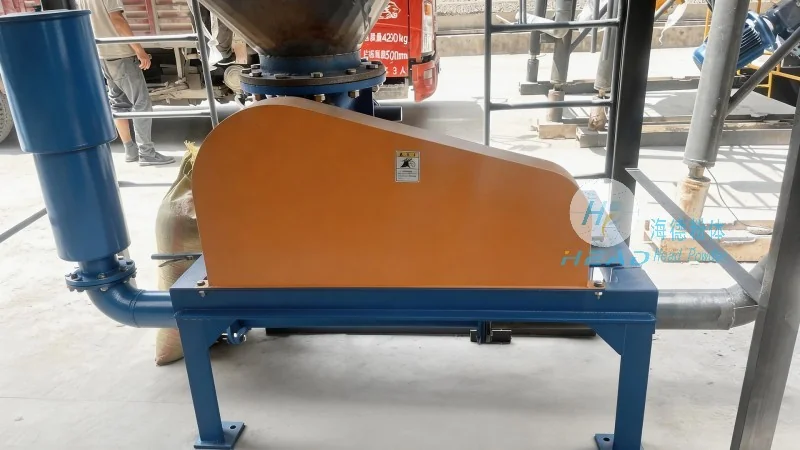
Key Features of Polyolefin Pneumatic Conveying Systems
Several features make polyolefin pneumatic conveying systems an attractive option for material handling. First, they offer a dust-free and enclosed transport process, which is essential for maintaining a clean environment and preventing contamination of the polyolefin material. This is particularly important in industries where product purity is critical, such as food and pharmaceuticals. Second, the systems are highly flexible and can be easily integrated into existing production lines. They can handle varying material flow rates and can be adapted to different conveying distances and heights.
Another significant feature is the ability to handle a wide range of polyolefin materials, from fine powders to coarse granules. The system’s design can be customized to accommodate different particle sizes and shapes, ensuring efficient transport without causing wear and tear on the equipment. Additionally, pneumatic conveying systems are energy-efficient compared to traditional mechanical systems, as they use less power while achieving the same or better transport performance.
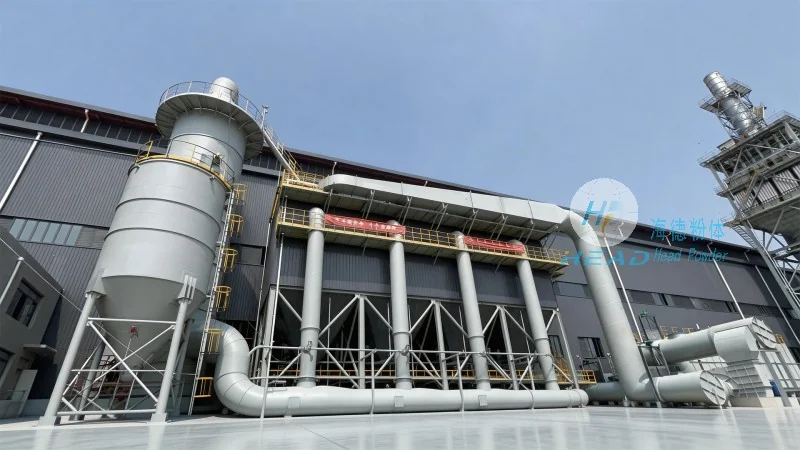
Application and Benefits in Industrial Settings
Polyolefin pneumatic conveying systems are widely used in various industrial applications. In plastics manufacturing, they are used to transport raw materials from storage to processing units, ensuring a continuous supply of polyolefin granules. In chemical processing, they help in moving polyolefin powders between reactors and storage tanks, maintaining process consistency. The systems also find applications in food processing, where they are used to transport polyolefin-based food additives or packaging materials, ensuring hygiene and product quality.
The benefits of using these systems extend beyond material transport efficiency. They contribute to improved workplace safety by reducing manual handling of powders, which can be hazardous. The enclosed system design minimizes dust exposure, protecting both workers and the environment. Furthermore, the systems are easy to maintain and can be cleaned and sanitized, which is crucial in industries with strict hygiene standards.
Conclusion
Polyolefin pneumatic conveying systems represent a sophisticated and effective solution for handling polyolefin materials. By understanding their working principle and key features, industries can make informed decisions about implementing such systems to enhance their material handling processes. The systems offer advantages in terms of efficiency, safety, and flexibility, making them a valuable asset in modern industrial operations. As the demand for polyolefin materials continues to grow, the importance of reliable and efficient material transport systems will only increase, and pneumatic conveying systems remain a leading choice for many applications.




