

What is a Calcium Oxide Material Pneumatic Conveying System? And What Are Its Design Principles?
For industrial applications involving calcium oxide, efficient material handling is crucial. A pneumatic conveying system offers a reliable solution to transport calcium oxide from one location to another within a facility. This article explores what a calcium oxide material pneumatic conveying system entails and the fundamental design principles that govern its operation. The system is designed to handle the unique properties of calcium oxide, such as its particle size, density, and flow characteristics, ensuring safe and efficient transport.
Understanding the Core Components of the System
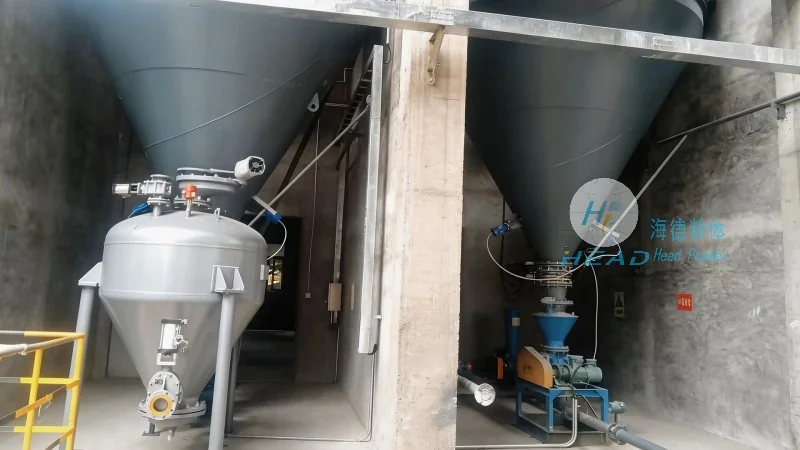
The calcium oxide pneumatic conveying system typically consists of several key components that work in tandem to ensure smooth material transport. These include the material feed hopper, the air compressor or blower, the conveying pipeline, and the receiving hopper or silo. Each component plays a vital role in the overall process, contributing to the system's efficiency and effectiveness. The feed hopper is responsible for storing and feeding the calcium oxide material into the system, while the air compressor generates the necessary air pressure to move the material through the pipeline. The conveying pipeline is designed to withstand the abrasive nature of calcium oxide particles, which can cause wear and tear on components over time. The receiving hopper collects the material at the destination, completing the transport process.
Design Principles for Calcium Oxide Pneumatic Conveying
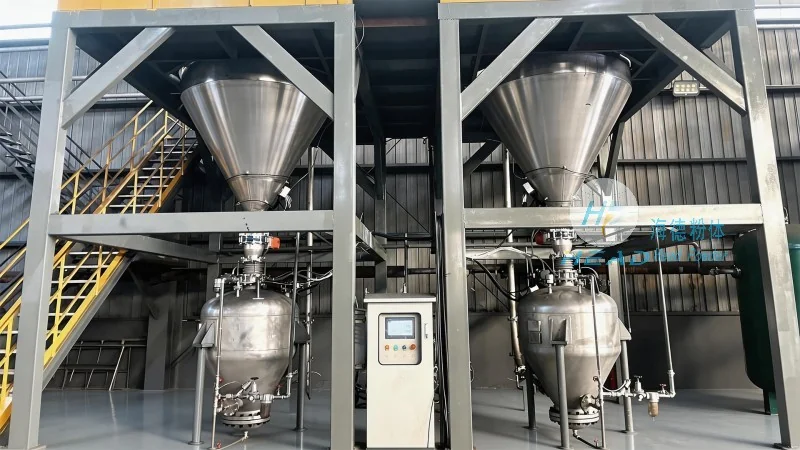
The design of a calcium oxide pneumatic conveying system is based on several critical principles that ensure optimal performance. First, the system must be designed to handle the specific properties of calcium oxide, such as its particle size, density, and flow characteristics. The selection of the air velocity and pressure is crucial to prevent material degradation and ensure consistent conveying. The air velocity must be high enough to overcome the resistance of the material in the pipeline but not so high as to cause excessive wear on the components. The pressure is typically maintained at a level that allows for efficient transport without exceeding the system's operational limits. Additionally, the system must be constructed to withstand the abrasive nature of calcium oxide particles, which can cause wear and tear on components over time. Proper sealing and maintenance are also essential to minimize material loss and maintain system efficiency. The system should be designed with materials that are resistant to corrosion and wear, such as stainless steel or specialized coatings, to extend its lifespan and reduce maintenance costs.
Advantages of Using a Pneumatic Conveying System for Calcium Oxide
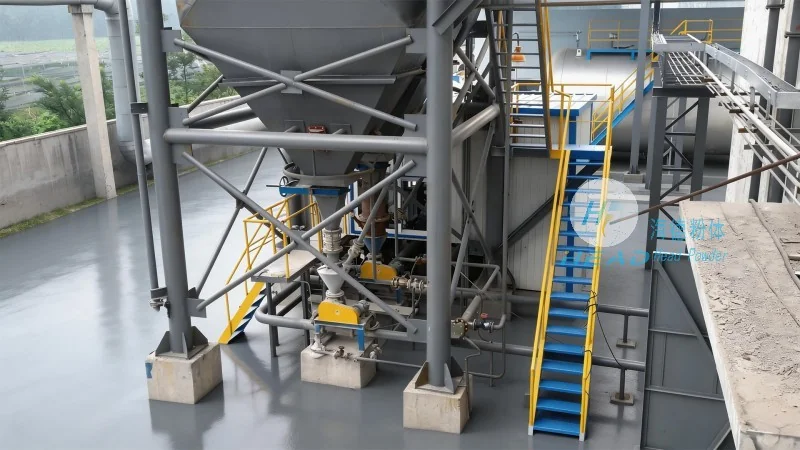
Implementing a pneumatic conveying system for calcium oxide offers several advantages over traditional methods like belt conveyors or bucket elevators. One of the primary benefits is the ability to transport materials in a closed system, which helps to prevent dust contamination and improve workplace safety. The system also allows for flexible routing of the conveying line, enabling the material to be transported to multiple destinations without the need for complex reconfiguration. Furthermore, pneumatic conveying systems can handle a wide range of material flow rates, making them suitable for both small-scale and large-scale industrial applications. The system can be easily integrated with other equipment, such as mixers or reactors, to form a complete production line. This integration improves overall process efficiency and reduces the need for manual handling of the material.
Considerations for System Installation and Maintenance
When installing a calcium oxide pneumatic conveying system, several factors must be considered to ensure long-term performance. The system should be installed in a location that minimizes the risk of material spillage and dust accumulation. Proper grounding and electrical safety measures are also essential to prevent accidents. Regular maintenance is crucial to keep the system operating at peak efficiency. This includes cleaning the conveying pipeline, inspecting the air compressor and blower for wear, and replacing worn parts as needed. By following a regular maintenance schedule, the system's lifespan can be extended, and operational costs can be reduced. The maintenance plan should include periodic checks of the air pressure and flow rate, as well as inspections of the pipeline for any signs of wear or damage. Any issues should be addressed promptly to prevent system downtime and ensure continuous operation.
Conclusion: The Role of Shandong HeadPowder Engineering Co., Ltd.
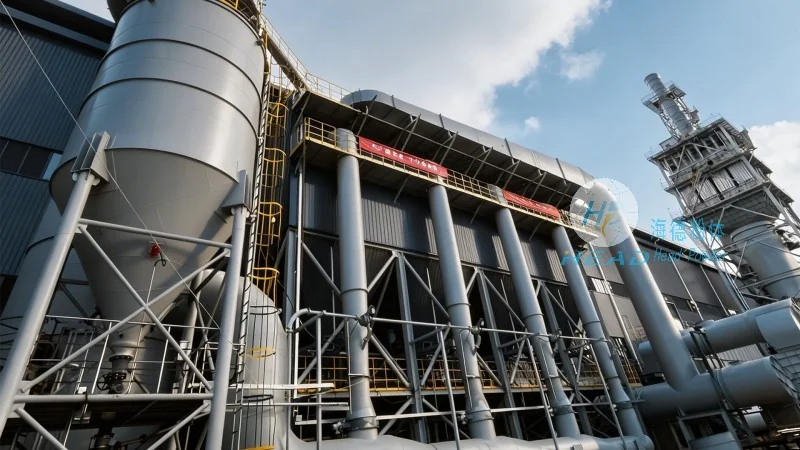
Shandong HeadPowder Engineering Co., Ltd., a leading provider of industrial material handling solutions, specializes in designing and manufacturing calcium oxide pneumatic conveying systems tailored to the specific needs of various industries. With years of experience in the field, the company has developed advanced systems that meet the highest standards of efficiency, safety, and durability. The company's commitment to quality and customer satisfaction has made it a trusted partner for businesses seeking reliable material transport solutions. By leveraging the expertise of Shandong HeadPowder Engineering Co., Ltd., industries can enhance their operational efficiency and ensure the safe handling of calcium oxide materials.