

What is a Diamond Sand Material Pneumatic Conveying System? Exploring Its Design Principles
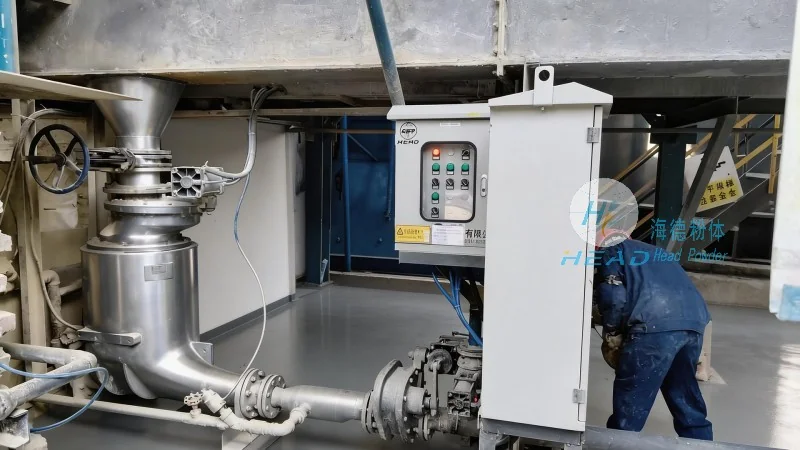
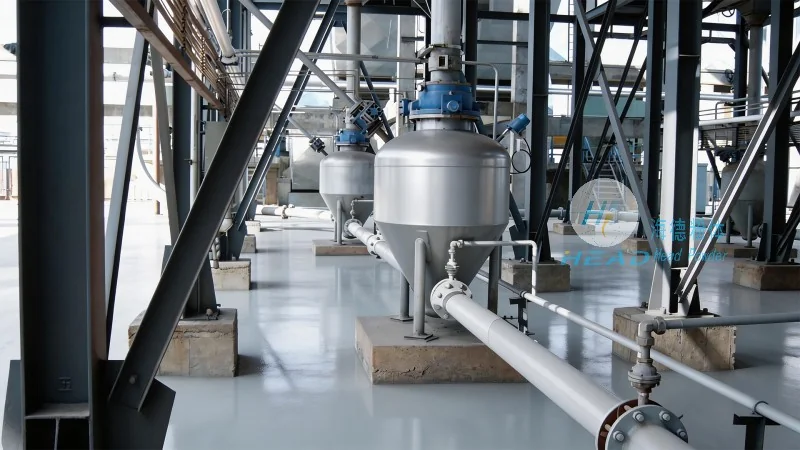
For industrial applications involving the handling of abrasive materials like diamond sand, a specialized pneumatic conveying system is often employed. This system, commonly referred to as a diamond sand material pneumatic conveying system, is designed to efficiently transport these materials from one location to another within a manufacturing or processing facility. The system utilizes air as the primary medium to move the abrasive particles, offering advantages such as reduced wear on equipment, minimal product contamination, and the ability to handle materials in a closed environment, which is crucial for maintaining product quality and safety. Diamond sand, known for its hardness and sharp edges, poses unique challenges during material handling, making the design of an effective pneumatic conveying system essential for smooth operations. The system typically consists of a hopper, a blower or compressor, a pipeline network, and a receiver, all working in tandem to ensure the reliable transport of the material.
Key Design Principles Behind Diamond Sand Pneumatic Conveying Systems
The design of a diamond sand material pneumatic conveying system is governed by several critical principles that ensure optimal performance and longevity. First, the system must be constructed from materials that can withstand the abrasive nature of diamond sand, typically featuring components made from stainless steel or other corrosion-resistant alloys to prevent wear and tear. This material selection is vital as diamond sand can quickly erode standard metal parts, leading to system failures if not properly addressed. Second, the air flow rate and pressure are carefully calibrated to maintain a consistent and stable conveying velocity, which is essential for preventing material buildup or blockages in the system. The velocity must be sufficient to keep the particles suspended in the air stream but not so high as to cause excessive wear on the pipeline or components. Third, the system incorporates features such as pulse-jet or rotary airlock valves to control the flow of material and air, ensuring smooth and continuous operation. These valves help regulate the pressure and flow, preventing backflow and maintaining a steady supply of material to the receiver. Additionally, the design considers the need for proper filtration and dust collection to comply with environmental regulations and maintain a clean working environment. High-efficiency filters are often installed to capture any fine particles that may escape, protecting both the environment and the downstream equipment from contamination.
How Shandong HeadPowder Engineering Co., Ltd. Specializes in These Systems
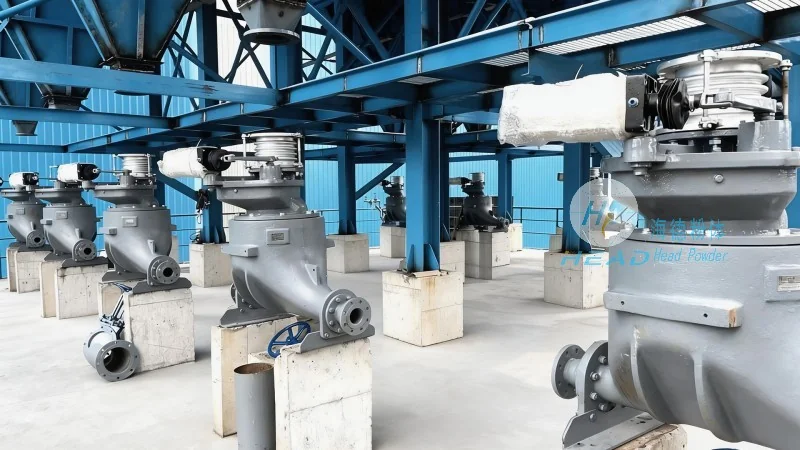
Shandong HeadPowder Engineering Co., Ltd., a leading provider in the field, specializes in the design, manufacturing, and installation of diamond sand material pneumatic conveying systems. With years of experience in handling abrasive materials, the company leverages advanced engineering techniques to develop customized solutions tailored to the specific needs of each client. The company's team of experts works closely with clients to understand their operational requirements, material characteristics, and production goals, ensuring that the final system meets all performance and safety standards. By integrating state-of-the-art components and adhering to strict quality control measures, HeadPowder delivers reliable and efficient systems that enhance productivity and reduce operational costs for its clients. The company's headquarters are located in Shandong, China, where its research and development team continuously innovates to improve system performance and durability. HeadPowder's commitment to quality is reflected in its adherence to international standards and its use of advanced simulation tools to model and optimize system designs before manufacturing.
Benefits of Using a Diamond Sand Pneumatic Conveying System
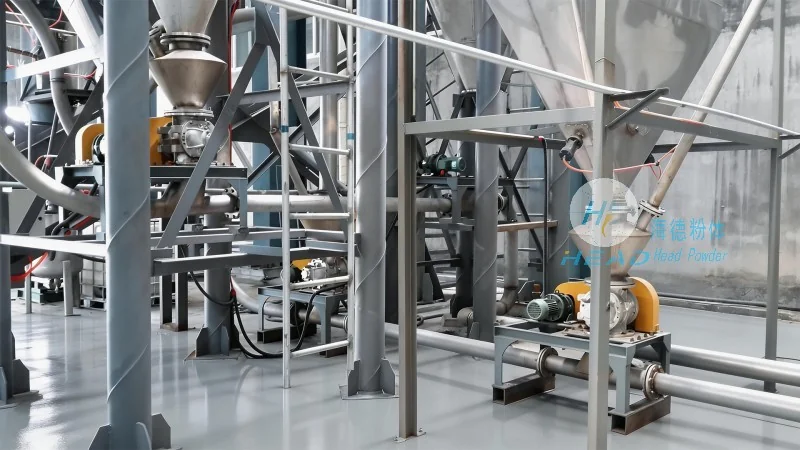
Implementing a diamond sand material pneumatic conveying system offers numerous benefits for industrial operations. One of the primary advantages is the reduction in labor costs associated with manual material handling, as the system automates the transport process. This not only saves time but also reduces the risk of workplace injuries from handling heavy or abrasive materials. Additionally, the closed-loop design minimizes dust exposure, improving workplace safety and compliance with occupational health regulations. The system also reduces product loss and contamination, which is critical for maintaining the quality of diamond sand used in various applications, such as polishing, grinding, and manufacturing. For example, in the production of optical components or jewelry, even a small amount of contamination can affect the final product's quality, making the cleanliness of the conveying system paramount. Furthermore, the energy efficiency of pneumatic conveying systems, when properly designed, can lead to lower operational costs over time. By optimizing air flow and pressure, the system can operate with minimal energy consumption, contributing to overall cost savings and environmental sustainability. The long-term reliability of these systems also reduces maintenance and downtime, ensuring consistent production output and customer satisfaction.