Comprehending the components of a pneumatic lime conveying system is essential for ensuring efficient and reliable operation in industrial settings. The system's design and integration of various elements directly impact its performance, safety, and longevity. This article explores the key components that constitute a typical pneumatic lime conveying setup, offering insights into how each part contributes to the overall functionality.
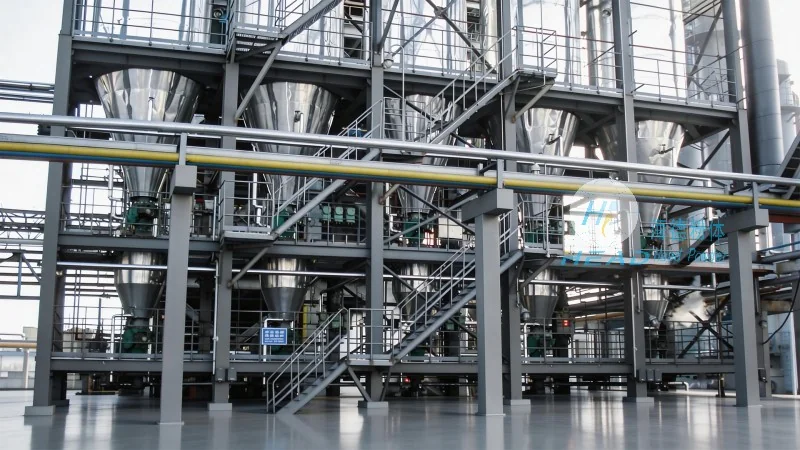
Key Components of Pneumatic Lime Conveying Systems
The pneumatic conveying of lime involves a series of interconnected components that work in unison to transport lime powder from its source to the destination. These components are engineered to handle the specific characteristics of lime, such as its fine particle size, dustiness, and potential reactivity. The primary components include the material feed system, air supply and pressure control units, conveying pipelines, and material discharge equipment. Each of these elements is vital for the smooth operation of the conveying process.
Material Feed System
The material feed system serves as the entry point for the lime powder into the conveying process. It typically consists of a hopper or silo for storing the lime, a feeder mechanism (like a rotary valve or screw feeder) that regulates the material flow, and sometimes a pre-drying or conditioning unit to improve handling properties. The feeder ensures a consistent and controlled feed rate, preventing blockages and maintaining system efficiency. Given that lime powder can be hygroscopic and prone to caking, the feed system may incorporate features like heating elements or vibration to keep the material in a free-flowing state. This component is critical as it directly affects the uniformity of the material flow and the overall system's performance.
Air Supply and Pressure Control Units
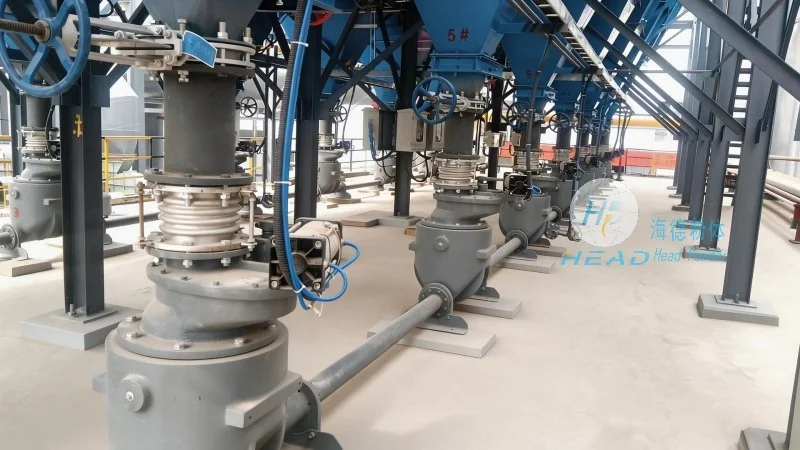
The air supply system is the core of the pneumatic conveying process, providing the necessary pressure and airflow to move the lime particles through the pipelines. This system includes a blower or compressor that generates the required air pressure, typically ranging from low to medium pressure (e.g., 0.5 to 2 bar). The pressure control unit regulates the air pressure to maintain a stable conveying velocity, ensuring efficient transport without excessive energy consumption or particle degradation. The blower or compressor must be capable of handling the specific air volume and pressure needed for the lime's particle size and the desired conveying distance. Proper selection of the air supply equipment is essential to optimize system performance and reduce operational costs.
Conveying Pipelines
The conveying pipelines form the main pathway for the lime particles and air mixture. These pipelines are constructed from materials resistant to the chemical properties of lime, such as stainless steel or specialized coatings to prevent corrosion and wear. The design of the pipelines, including diameter, length, and layout, is critical for maintaining conveying velocity and preventing particle deposition or blockages. The pipelines may include bends, elbows, and expansion joints to accommodate changes in direction and elevation, ensuring smooth material flow without velocity loss or pressure drops. The selection of pipeline material and design is influenced by factors like the lime's particle size, conveying distance, and required flow rate. Properly designed pipelines minimize energy losses and ensure efficient transport of lime from source to destination.
Material Discharge Equipment
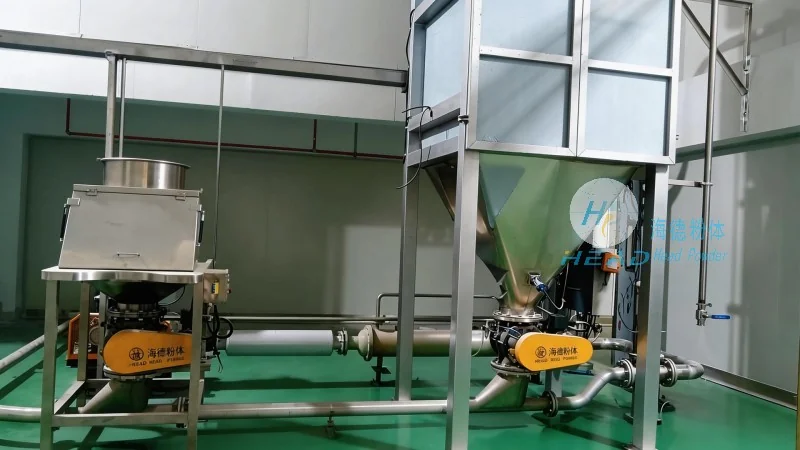
The material discharge equipment is responsible for releasing the lime from the conveying system at the destination point. This component typically includes a receiver or silo where the lime is collected, and a discharge valve or outlet that controls the release of the material. The discharge system may include features like a rotary valve or gate valve to regulate flow rate and prevent backflow. For applications requiring transfer to another process or storage, the discharge equipment may integrate with a secondary conveying system or dust collection unit. The design of the discharge equipment must ensure lime is discharged without excessive dust or blockages, maintaining material integrity and operational safety. Proper maintenance of the discharge equipment is essential to prevent clogging and ensure consistent material delivery.
Control and Monitoring Systems
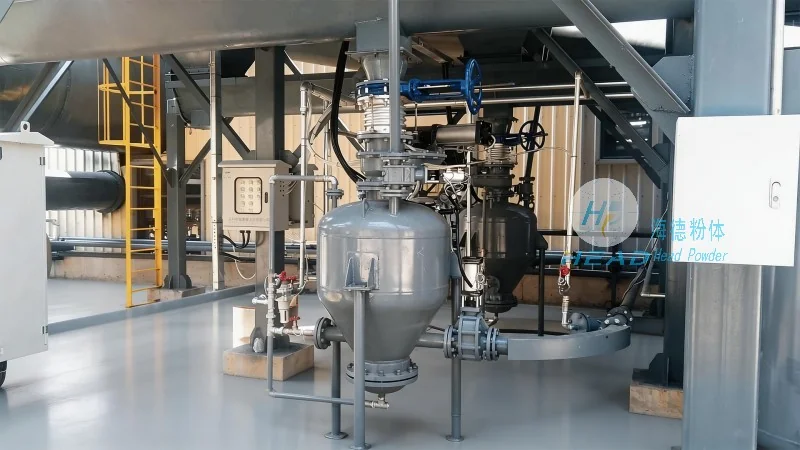
Modern pneumatic lime conveying systems often incorporate advanced control and monitoring systems to optimize performance and ensure safety. These systems include sensors and controllers that monitor parameters such as air pressure, flow rate, and material level. The control system adjusts feeder, blower, and other components based on real-time data, ensuring operation at peak efficiency. Monitoring systems provide alerts for abnormal conditions (e.g., pressure drops, material blockages), enabling timely intervention and preventing system downtime. Integration of control and monitoring technologies enhances reliability and longevity, reducing maintenance costs and improving overall operational efficiency.
Conclusion
In summary, the pneumatic conveying of lime relies on a combination of carefully selected components working together. From the material feed system to the discharge equipment, each component plays a vital role in efficient and safe lime transport. The design and integration of these components are critical to achieving optimal performance, minimizing energy consumption, and extending system lifespan. For industrial applications requiring reliable lime handling, understanding the components of a pneumatic conveying system is essential for selecting appropriate equipment and maintaining operational efficiency. As a leading provider in the field, Shandong HeadPowder Engineering Co., Ltd. specializes in designing and manufacturing high-quality pneumatic conveying systems tailored to specific lime handling needs, ensuring clients receive robust and efficient solutions for material transport requirements.




