

What is an Iron Ore Fines Pneumatic Conveying System? And What Are Its Design Principles?
Iron ore fines, a critical raw material in the steel production industry, require efficient and reliable transportation methods to ensure smooth operations from mining sites to processing facilities. A pneumatic conveying system specifically designed for iron ore fines offers a solution that combines the advantages of material handling with the benefits of a closed-loop system, minimizing dust emissions and enhancing safety. This article explores the concept of an iron ore fines pneumatic conveying system, detailing its operational principles and design considerations.
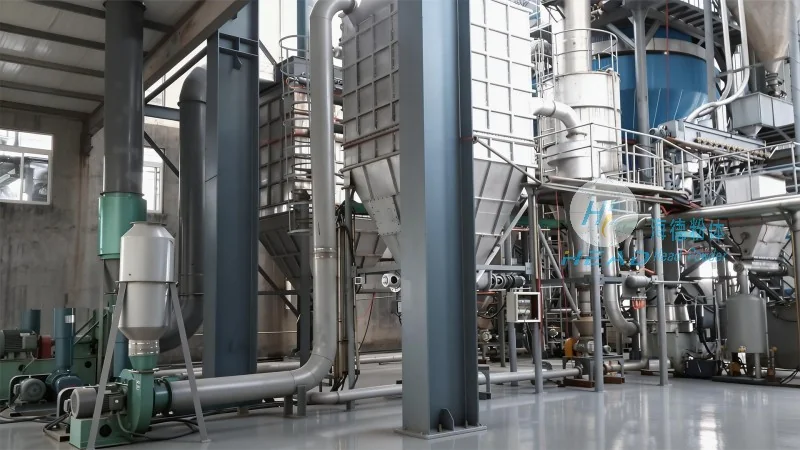
Understanding the Core Components of an Iron Ore Fines Pneumatic Conveying System
The foundation of any effective pneumatic conveying system lies in its components, which work in synergy to transport iron ore fines from the source to the destination. The system typically consists of a hopper or feeder to introduce the material, a conveying line (either positive or negative pressure), and a receiver or discharge unit. For iron ore fines, which are fine-grained and can be prone to dusting, the choice of components is crucial. The feeder, often a rotary valve or a screw feeder, ensures a consistent flow of material into the system, preventing blockages and maintaining pressure stability. The conveying line, made of materials resistant to abrasion and corrosion, such as stainless steel or special alloys, is designed to withstand the abrasive nature of iron ore fines. The receiver, equipped with dust collection and filtration systems, ensures that the material is delivered safely and without contamination.
Design Principles for Optimal Performance in Iron Ore Fines Pneumatic Conveying
The design of an iron ore fines pneumatic conveying system is governed by several key principles aimed at maximizing efficiency, minimizing energy consumption, and ensuring long-term reliability. One of the primary design considerations is the selection of the conveying method—either positive pressure (where air is blown through the system) or negative pressure (where air is drawn through the system). For iron ore fines, positive pressure systems are often preferred as they provide better control over material flow and reduce the risk of clogging. The system's design also involves calculating the necessary air velocity and pressure to ensure that the iron ore fines are entrained and transported effectively. This calculation takes into account the particle size, density, and moisture content of the iron ore fines, as these factors significantly impact the conveying performance. Additionally, the system's layout, including the length and number of bends, is carefully planned to minimize pressure losses and maintain the required air flow. Proper maintenance and monitoring of the system's components, such as filters and valves, are also integral to ensuring optimal performance and preventing system failures.
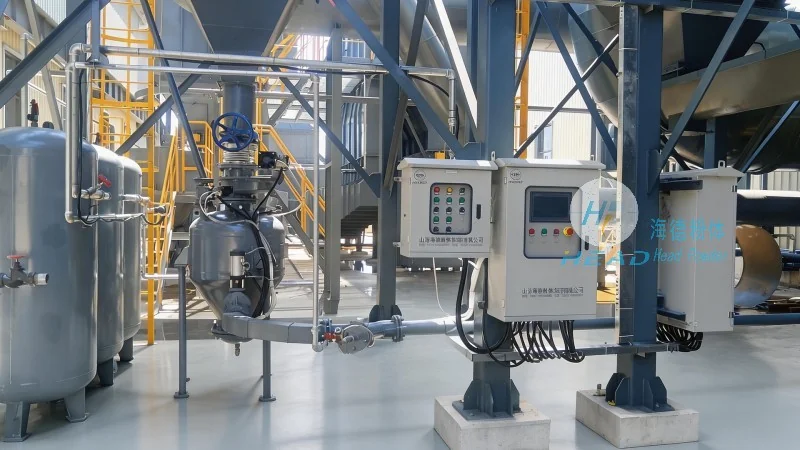
HeadPowder's Expertise in Designing Iron Ore Fines Pneumatic Conveying Systems
Shandong HeadPowder Engineering Co., Ltd., a leading provider of engineering solutions for material handling, specializes in designing and manufacturing pneumatic conveying systems tailored to the unique needs of the iron ore industry. With years of experience and a deep understanding of the challenges associated with transporting iron ore fines, HeadPowder's team of engineers employs advanced design principles and cutting-edge technology to deliver systems that meet the highest standards of efficiency and reliability. The company's approach involves a thorough analysis of the client's specific requirements, including the material characteristics, transportation distance, and operational constraints, to develop a customized solution. HeadPowder's systems are designed to handle a wide range of iron ore fines, from fine particles to coarser materials, and are equipped with features such as automatic control systems, which allow for real-time monitoring and adjustment of the conveying process. The company's commitment to quality and customer satisfaction is reflected in its rigorous testing and quality control processes, ensuring that every system delivered meets the exact specifications and performance expectations of the client.
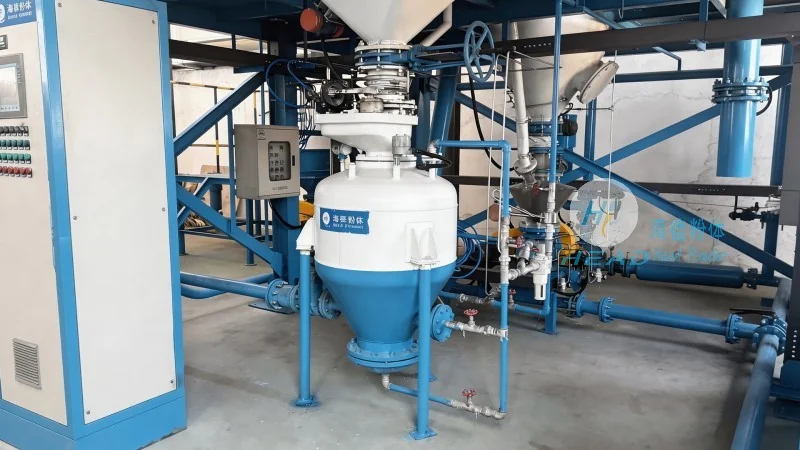
Key Advantages of Using a Pneumatic Conveying System for Iron Ore Fines
Implementing a pneumatic conveying system for iron ore fines offers numerous advantages over traditional methods such as belt conveyors or bucket elevators. One of the most significant benefits is the reduction in dust emissions, which not only improves workplace safety but also complies with environmental regulations. The closed-loop system prevents the release of fine particles into the atmosphere, creating a cleaner and healthier working environment. Another advantage is the ability to transport iron ore fines over long distances without the need for intermediate storage or transfer points, which can be costly and inefficient. The system's flexibility allows for easy integration with existing processing facilities, minimizing downtime during installation and operation. Additionally, pneumatic conveying systems are less prone to material degradation compared to other methods, as the material is not subjected to excessive friction or impact. This helps maintain the quality of the iron ore fines, which is crucial for downstream processing steps such as sintering or pelletizing. Finally, the energy efficiency of modern pneumatic conveying systems, particularly those using positive pressure and optimized air flow, can lead to significant cost savings over time, making them a financially viable option for long-term material handling needs.
Conclusion: The Importance of a Well-Designed Iron Ore Fines Pneumatic Conveying System
In conclusion, an iron ore fines pneumatic conveying system is a vital component in the efficient and sustainable operation of steel production facilities. By understanding the design principles and components of such a system, industry professionals can make informed decisions about the best material handling solution for their specific needs. The expertise of companies like Shandong HeadPowder Engineering Co., Ltd. plays a crucial role in ensuring that these systems are designed and implemented to deliver optimal performance, safety, and environmental compliance. As the demand for iron ore continues to grow, the importance of reliable and efficient material handling systems will only increase, making the investment in a well-designed pneumatic conveying system a strategic decision for any steel producer.