

What is an Oat Flour Material Pneumatic Conveying System? What are the Design Principles?
When it comes to efficiently handling and transporting oat flour, a specialized system known as an oat flour material pneumatic conveying system plays a crucial role. This technology is designed to move bulk materials like oat flour through a pipeline using air or gas as the conveying medium. Understanding the components and design principles behind such a system is essential for optimizing material flow and ensuring operational efficiency in processing facilities.
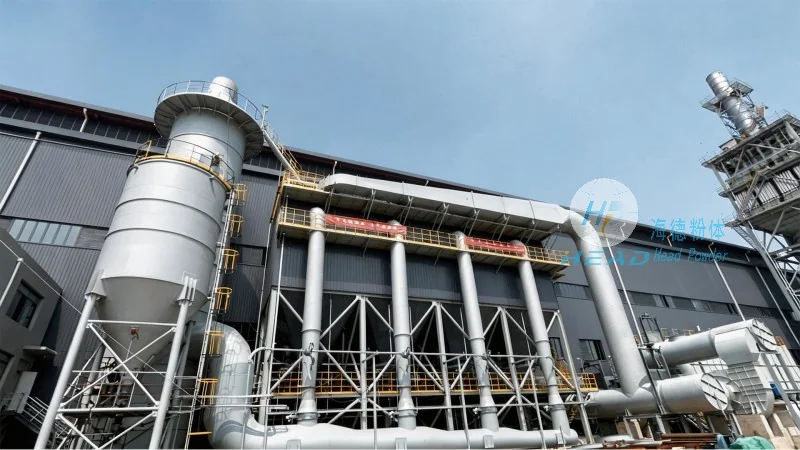
Introduction to Oat Flour Pneumatic Conveying Systems
Oat flour, a popular ingredient in various food products, presents unique challenges when it comes to material handling due to its fine particle size and potential for dust generation. Traditional methods like bucket elevators or belt conveyors may not be suitable for handling such delicate and dusty materials. Pneumatic conveying systems offer a solution by utilizing air pressure to transport oat flour from one location to another, minimizing product contamination and reducing the risk of clogging or blockages.
HeadPowder Engineering: Expert in Oat Flour Conveying Solutions
Shandong HeadPowder Engineering Co., Ltd., a leading provider of material handling solutions, specializes in designing and manufacturing pneumatic conveying systems tailored to the specific needs of oat flour processing. With a focus on precision engineering and customer-centric solutions, HeadPowder has established itself as a trusted partner for industries relying on consistent and reliable oat flour transport. The company’s headquarters is located in Shandong, China, where it leverages advanced technology and industry expertise to deliver high-quality conveying systems.
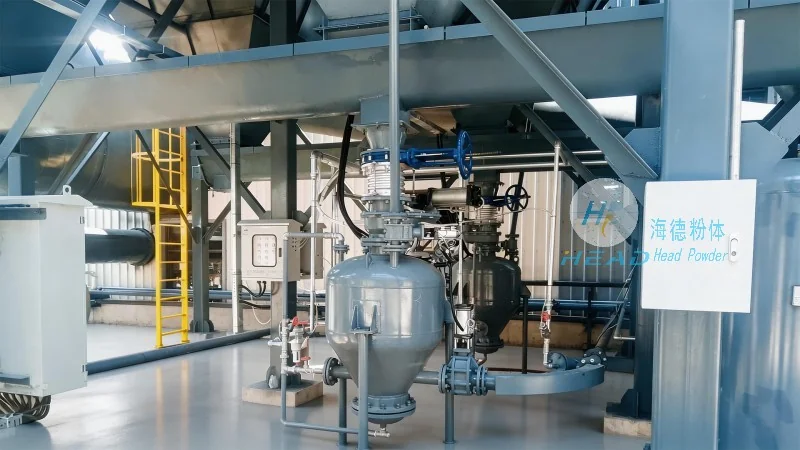
Design Principles of Oat Flour Pneumatic Conveying Systems
The design of an oat flour pneumatic conveying system involves several key principles to ensure optimal performance. One of the primary considerations is the choice between positive pressure and negative pressure systems. Positive pressure systems use compressed air to push the material through the pipeline, while negative pressure systems use vacuum to draw the material in. For oat flour, positive pressure systems are often preferred as they provide better control over material flow and reduce the risk of dust exposure. The system design also includes factors such as the air-to-solid ratio, which determines the amount of air required to transport the material efficiently. Proper sizing of the conveying pipeline, including diameter and length, is critical to maintain consistent flow rates and prevent pressure drops that could lead to material deposition or clogging.
Key Components and Their Functions
A typical oat flour pneumatic conveying system consists of several essential components, each playing a vital role in the overall operation. The hopper or feeder is responsible for feeding the oat flour into the system, ensuring a consistent flow of material. The conveyor itself, which may include straight or curved sections, transports the material through the pipeline. The air compressor or vacuum pump provides the necessary pressure or vacuum to move the material. The filter and cyclone separator are crucial for removing any excess air or dust from the system, maintaining air quality and preventing product contamination. The control system monitors and regulates the flow of material and air, ensuring smooth and efficient operation.
Advantages of Pneumatic Conveying for Oat Flour
Implementing a pneumatic conveying system for oat flour offers several advantages over traditional material handling methods. One of the most significant benefits is the ability to handle fine and dusty materials without the risk of clogging or product degradation. The enclosed system also minimizes dust exposure, improving workplace safety and reducing the risk of fire hazards. Additionally, pneumatic conveying systems can be designed to operate in a closed loop, reducing energy consumption and environmental impact. The flexibility of the system allows for easy integration with existing processing lines, and the ability to transport materials over long distances without the need for multiple transfer points makes it a cost-effective solution for large-scale operations.
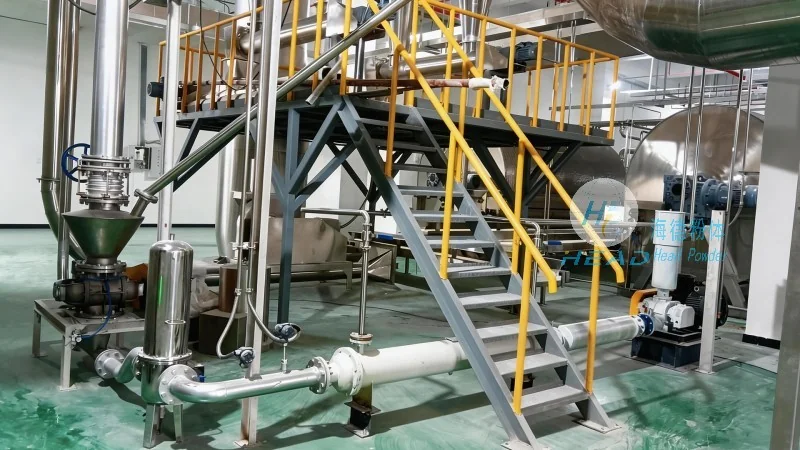
Applications and Industry Use Cases
Oat flour pneumatic conveying systems are widely used in various industries, including food processing, pharmaceuticals, and chemical manufacturing. In the food industry, these systems are commonly employed in oat flour mills and processing plants to transport raw materials and finished products. The systems are also used in the production of oat-based products such as oatmeal, oat flour, and oat-based snacks. The consistent and reliable transport of oat flour ensures that the final products meet quality standards and are free from contamination. In the pharmaceutical industry, pneumatic conveying systems are used to handle oat flour as an ingredient in various formulations, ensuring that the material is transported in a sterile and controlled environment.
Conclusion and Future Trends
In conclusion, an oat flour material pneumatic conveying system is a sophisticated and efficient solution for handling and transporting oat flour in processing facilities. The design principles, components, and advantages of such a system make it an ideal choice for industries requiring high-quality, consistent material transport. As technology advances, there is a growing emphasis on energy efficiency and sustainability in material handling systems. Future trends may include the integration of smart sensors and automation to optimize system performance and reduce operational costs. However, the core principles of pneumatic conveying, such as the use of air pressure to transport materials, will likely remain a fundamental part of material handling solutions for oat flour and other bulk materials.